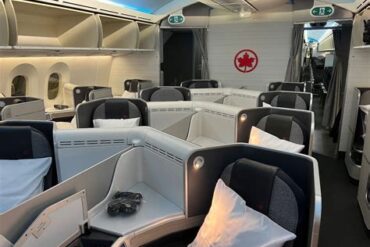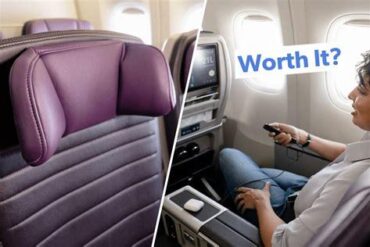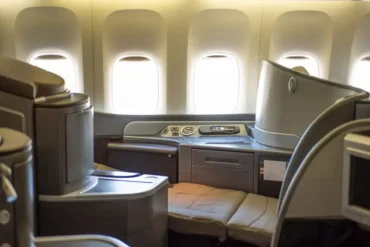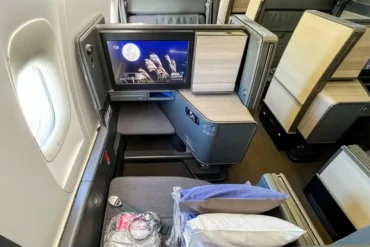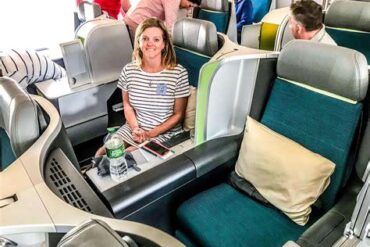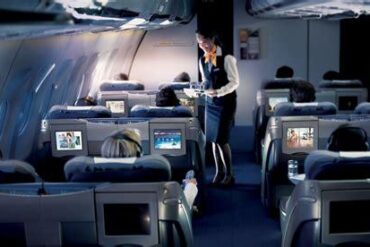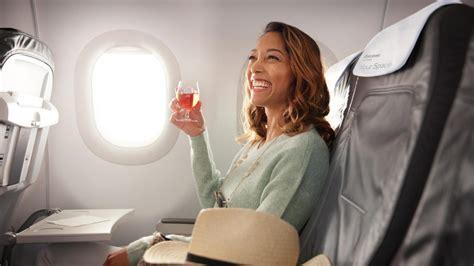
Air travel has evolved dramatically over the past two decades, yet one element continues to capture the imagination of frequent flyers and occasional travelers alike: the business class upgrade. The idea of stepping onto an aircraft with an economy ticket and settling into a spacious seat that converts into a fully flat bed remains one of aviation’s most appealing surprises.
For many passengers, the difference between economy and business class feels like entering an entirely different world. Economy cabins often mean limited legroom, crowded aisles, and long hours of confined seating. Business class, by contrast, offers spacious seating, premium meals, priority services, and the ability to actually sleep during long-haul flights. The contrast is so dramatic that even seasoned travelers still feel a sense of excitement when an upgrade becomes possible.
Yet the process behind these coveted seat upgrades is rarely understood. Many passengers believe charm, luck, or last-minute pleading at the check-in counter can secure a better seat. In reality, the upgrade ecosystem inside modern airlines is far more structured and technology-driven than most people realize.
Understanding the mechanics behind business class upgrades can significantly improve a traveler’s chances of enjoying a premium cabin experience without paying the full retail fare. From fare restrictions to sophisticated airline algorithms, hidden auction systems, and timing strategies, several factors quietly shape who gets upgraded and who remains in economy.
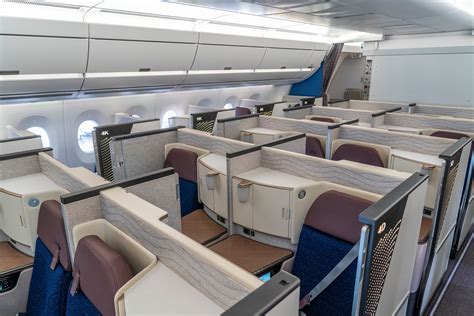
Below are five important truths about business class upgrades that most passengers never realize—insights that can transform how travelers approach their next flight.
1. Fare Class Determines Upgrade Eligibility More Than Anything Else
One of the most misunderstood aspects of airline upgrades is the importance of fare class, which refers to the specific ticket category within a cabin.
Passengers often assume that buying an economy ticket automatically gives them the chance to upgrade later. Unfortunately, that assumption frequently proves incorrect. Many airlines restrict upgrade eligibility for passengers who purchase the lowest economy fares, sometimes labeled as “basic economy” or “light economy.”
These fares are intentionally designed to be inexpensive but restrictive. Airlines reduce flexibility in exchange for a lower price, and one of the first benefits removed is upgrade eligibility.
Major airlines such as Delta Air Lines, United Airlines, and American Airlines have implemented these limitations widely. Basic economy fares typically come with several restrictions:
- No seat selection until check-in
- Limited change or cancellation options
- Reduced frequent flyer benefits
- No eligibility for upgrades
For airlines, this system protects premium cabins from being filled by extremely low-priced ticket holders. Instead, upgrades are prioritized for passengers who purchased slightly higher fare categories or who hold elite loyalty status.
A traveler who purchases a standard economy or flexible economy ticket may pay a modest premium compared to basic economy, yet that small difference can dramatically increase the likelihood of an upgrade.
This is why experienced travelers often avoid the absolute cheapest ticket when upgrade opportunities matter. Paying a little more upfront can quietly unlock access to airline upgrade lists, miles-based upgrades, or bidding programs that cheaper fares simply cannot access.
In other words, when it comes to business class upgrades, the ticket type often matters more than the passenger’s request.
2. Upgrade Decisions Are Usually Made by Algorithms—Not Airport Staff
The popular myth of asking politely at the airport counter for a business class upgrade persists among travelers worldwide. Movies and travel anecdotes have fueled the belief that airline agents sometimes reward polite passengers with premium seats.
Modern airline operations, however, rarely work this way.
Behind the scenes, complex airline computer systems manage upgrade allocation automatically. These systems rank passengers using multiple criteria long before they reach the airport.
Key factors typically include:
- Frequent flyer status level
- Original fare class
- Time of upgrade request
- Availability of seats in premium cabins
- Airline loyalty program rules
Once the algorithm ranks passengers, upgrades may begin clearing days before the flight. High-tier loyalty members often receive upgrades first, sometimes up to five days before departure.
For example, elite members within American Airlines’ ConciergeKey tier—an invite-only loyalty status—can be upgraded up to 120 hours before departure. Lower-tier members may only enter the upgrade queue within 24 hours of the flight.
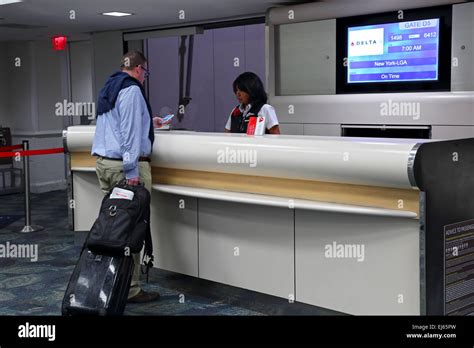
By the time most travelers arrive at the airport, the system has often already assigned many of the available upgrades.
Airport staff generally have little authority to override this automated process. Their role is mainly to process check-in and handle operational issues rather than distribute premium seats based on requests.
That said, upgrades can still occur close to departure if seats remain empty or if operational adjustments are necessary. But these situations are the exception rather than the rule.
The key lesson for travelers is simple: submit upgrade requests as early as possible. The earlier a request enters the system, the higher its potential ranking within the algorithm.
3. Upgrade Auctions Exist—and Many Travelers Never Use Them
One of the aviation industry’s most fascinating innovations is the airline upgrade bidding system, yet many passengers remain unaware it exists.
More than 50 airlines worldwide now offer passengers the chance to bid for an upgrade after purchasing an economy ticket. Instead of paying the full difference between economy and business class fares, travelers can submit an offer indicating how much they are willing to pay for a better seat.
If the airline accepts the bid, the passenger is automatically upgraded and the payment is processed.
This system benefits both airlines and passengers.
Airlines use upgrade auctions to fill seats that might otherwise remain empty. Business class cabins occasionally depart with unsold seats, especially on flights with lower demand. Allowing passengers to bid for those seats helps generate additional revenue without discounting premium fares publicly.
Passengers, on the other hand, can sometimes secure upgrades for a fraction of the normal price.
Airlines offering bidding upgrades include:
- Air Canada
- Lufthansa
- Singapore Airlines
- Cathay Pacific
- Virgin Atlantic
- Qantas
- Air New Zealand
- Etihad Airways
- Scandinavian Airlines
- TAP Air Portugal
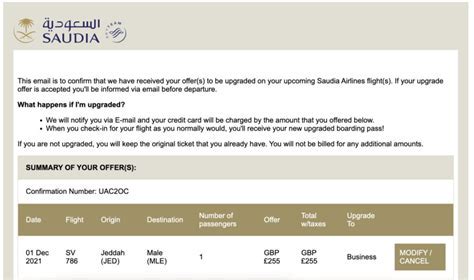
Submitting a bid does not guarantee success. Airlines typically establish a minimum bid threshold to prevent unrealistically low offers.
Some programs also charge a small non-refundable processing fee when submitting a bid. Nevertheless, when successful, the value can be extraordinary—sometimes delivering a business class seat for hundreds rather than thousands of dollars.
For travelers willing to take a calculated gamble, upgrade auctions represent one of the most overlooked opportunities in modern air travel.
4. Choosing the Right Flight Time Can Dramatically Increase Upgrade Chances
Timing plays a surprisingly important role in upgrade success.
Airline cabins tend to fill differently depending on the day of the week and time of departure. Flights popular with business travelers—particularly early morning departures and late afternoon returns—often see business class seats fully booked by paying passengers.
In contrast, certain flights consistently experience lower premium cabin demand.
These typically include:
- Midweek flights (Tuesday or Wednesday)
- Saturday departures
- Midday flights
- Red-eye overnight flights
On these routes, airlines occasionally struggle to sell every premium seat. When unsold business class seats remain, upgrade opportunities naturally increase.
Smart travelers often study aircraft seat maps before booking. These maps reveal how many business class seats appear occupied at the time of booking. While not perfect indicators, they offer useful clues about potential upgrade availability.
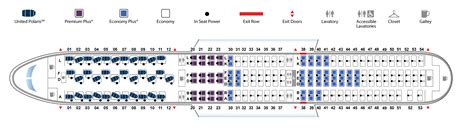
If a flight shows many empty business class seats days before departure, the odds of upgrades clearing later become much stronger.
Flexible travelers can therefore boost their chances significantly by selecting less popular flight times, especially on routes with multiple daily departures.
Even small adjustments in departure time can dramatically influence upgrade probability.
5. An Upgrade Doesn’t Always Include All Business Class Perks
Receiving a business class seat feels like winning a small travel lottery. However, one important detail often surprises passengers: an upgraded seat does not always include every business class benefit.
Many upgrade programs—including bidding systems and mileage upgrades—maintain the conditions of the original ticket.
This means certain premium benefits may remain restricted.
For example, passengers upgraded from economy might still be subject to:
- Original change or cancellation rules
- Economy-level frequent flyer mileage earnings
- Economy baggage allowances
- Limited lounge access
Each airline defines upgrade benefits differently. Some carriers allow upgraded passengers full lounge access and priority services, while others restrict these perks to passengers who purchased business class tickets outright.
Airlines such as Lufthansa, Air Canada, and American Airlines explicitly state that upgraded travelers still earn miles based on the original fare purchased, not the upgraded cabin.
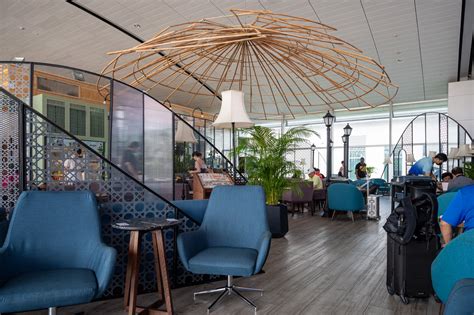
This distinction can create awkward situations when passengers assume their upgrade grants them full premium privileges. In some cases, lounge agents must deny entry because the traveler’s original fare category does not include lounge access.
Reading the fine print before bidding or redeeming miles for upgrades helps prevent misunderstandings. Knowing exactly which benefits accompany the upgrade ensures travelers can fully enjoy the premium experience without surprises.
Why Understanding Upgrade Mechanics Changes the Game
For many passengers, upgrades appear mysterious and unpredictable. Yet once the underlying systems become clear, the process feels far less random.
Airlines operate highly structured systems designed to reward loyalty, protect premium cabin revenue, and maximize aircraft profitability. Every upgrade represents a balance between rewarding frequent travelers and filling unsold seats.
Travelers who understand these mechanics can quietly tilt the odds in their favor by:
- Avoiding basic economy fares
- Requesting upgrades early
- Using airline bidding systems
- Selecting off-peak flights
- Reviewing upgrade conditions carefully
While upgrades will never be guaranteed, informed passengers consistently achieve better outcomes than those relying purely on luck.
Conclusion
The dream of enjoying a business class seat without paying full price continues to captivate travelers across the world. Yet the path to securing that upgrade involves far more strategy than most passengers realize.
Fare class restrictions quietly determine eligibility. Sophisticated airline algorithms rank passengers long before airport check-in. Upgrade auctions create unexpected opportunities for discounted premium travel. Flight timing influences seat availability. And even successful upgrades may not include every premium benefit.
Understanding these hidden dynamics transforms the upgrade process from a mystery into a strategy.
For travelers willing to learn how airlines allocate premium seats, the reward can be extraordinary: spacious cabins, fully flat beds, gourmet meals, and a dramatically improved journey—all sometimes obtained for far less than the standard business class fare.
Frequently Asked Questions
Do airlines ever give free business class upgrades at the airport?
Free upgrades occasionally occur due to operational reasons, such as oversold economy cabins. However, most upgrades are processed through automated systems prioritizing elite frequent flyers and eligible fare classes.
Is bidding for an airline upgrade worth it?
Upgrade bidding can offer exceptional value when premium seats remain unsold. While success is not guaranteed, many travelers secure business class seats for significantly less than the standard fare.
When is the best time to request a business class upgrade?
Submitting an upgrade request as early as possible improves the chances of clearing the airline’s upgrade queue. High-tier frequent flyers may receive upgrades several days before departure, while lower-tier passengers typically enter the process closer to check-in.