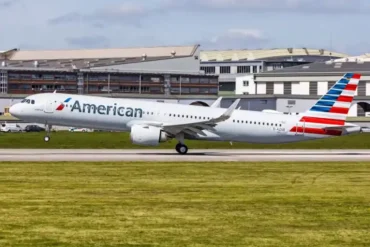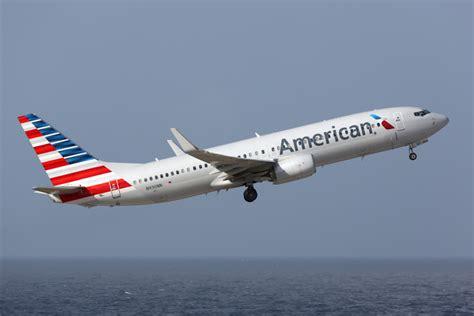
American Airlines has ignited backlash among its most loyal customers by enacting a new upgrade policy that places deadheading pilots ahead of elite frequent flyers for unsold first class seats. This controversial shift, effective December 2, 2023, has already stirred frustration in high-status travelers who now find themselves pushed further down the upgrade queue.
A Drastic Change in Upgrade Hierarchy
Under the terms of the newly ratified pilot contract, American Airlines has implemented a system where pilots traveling to reposition for work—classified as “deadheading”—are given top priority for first class upgrades, regardless of their role in the specific flight.
These deadheading pilots are not operating the aircraft but are instead in transit for their next assigned duty. The airline’s internal system marks these employees with an A1DP or A3DP code, granting them top priority in the upgrade queue once checked in.
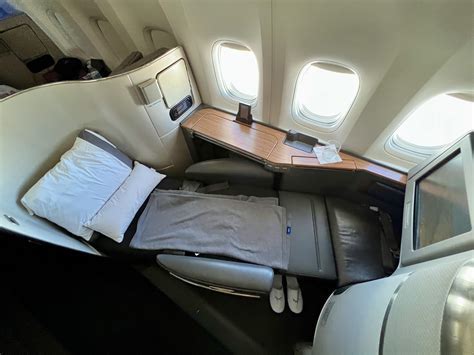
This change represents a significant departure from traditional airline loyalty structures, which historically place Executive Platinum and ConciergeKey members—the airline’s most frequent and high-value travelers—at the top of the upgrade list. Now, those loyal customers are left in economy while repositioning pilots enjoy premium cabin comforts.
Loyalty Undermined: Frequent Flyers Express Discontent
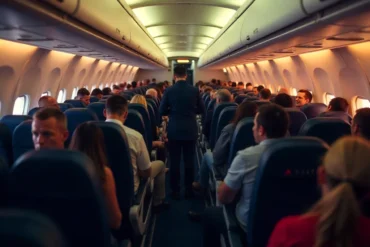
Reactions among the frequent flyer community have been sharp and vocal. Many travelers have reported seeing uniformed pilots seated in first class, while they, despite holding top-tier elite status, are left behind in coach. For passengers who’ve invested thousands of dollars annually through flights, credit card spending, and brand loyalty, the change feels like a betrayal.
Executive Platinum and ConciergeKey members, who were once near-guaranteed first class upgrades on certain routes, now face a new, often insurmountable obstacle: crew repositioning. Several flyers have already taken to online forums to express disillusionment, with some openly considering a switch to rival carriers like Delta or United.
The core issue lies not just in the missed upgrades, but in the perceived erosion of value in the loyalty program itself. If American Airlines markets first class upgrades as a key benefit of its elite status and co-branded credit card partnerships, then diverting those benefits to employees suggests a realignment of corporate priorities.
No Operational Necessity, Say Critics
What further stokes customer frustration is the lack of a clear operational rationale behind the policy. Unlike positioning flight crews due to weather or emergency, these pilots are simply relocating between duty assignments. During these non-flying segments, pilots are off-duty, using the time to rest or prepare—but they are not required to be in first class to do so.
The policy’s critics argue that this is not a safety or efficiency issue. American Airlines had a solid safety track record even before this shift, and there’s no compelling data indicating that pilots traveling in first class are significantly more rested than those seated in economy.
Furthermore, American’s own financial norms generally don’t permit domestic first class travel for most employee business trips, making this sudden elevation of pilot travel comfort feel inconsistent and contrary to cost discipline.
How the Upgrade System Now Works
According to an internal memo shared with travel insiders, deadheading pilots using Travel Planner or American Essentials are automatically added to the upgrade list using the UPGO system code. However, if pilots use the mobile app or main website to check in, they must be manually added by Customer Care teams.
Once added, they leapfrog above all loyalty customers, regardless of status. The only exception applies to passengers who have already been confirmed for an upgrade; in such cases, their placement is honored, and they will not be downgraded to accommodate a pilot. Still, this exception offers little comfort to those stuck in a limbo of waitlists.
Erosion of Trust in American’s Loyalty Model
Loyalty programs in the airline industry function as finely tuned psychological tools. They reward repeat customers not only with miles but with aspirational perks—like the hope of first class travel. American Airlines has leaned heavily on this model, touting its AAdvantage program and co-branded credit cards as offering real, tangible benefits.
But when unsold first class seats are no longer available to those loyal customers because they’ve been reassigned to internal employee travel, it sends a dangerous message: customer loyalty ranks below internal convenience.
This dissonance isn’t merely about seating. It reflects a broader philosophical pivot within the airline—one where management appears increasingly disconnected from its core clientele. Executive decision-makers may have viewed the upgrade benefit as a minor concession in pilot contract talks, but the public response indicates they gravely underestimated its symbolic weight.
Broader Industry Context
Frequent flyers dismayed by American’s decision may not find relief elsewhere. For example, Delta Air Lines, often touted as a more premium experience, only upgrades around 13% of its first-class seats, per internal estimates. United Airlines also has a mixed record on elite upgrades, with various internal travel needs also factoring into upgrade availability.
However, what sets American’s policy apart is the transparency and finality of its new prioritization. Deadheading pilots now have system-encoded precedence over even the most loyal revenue passengers—a practice that, though potentially legal and contractual, undermines years of marketing messaging and customer expectations.
Financial Motives Behind the Policy
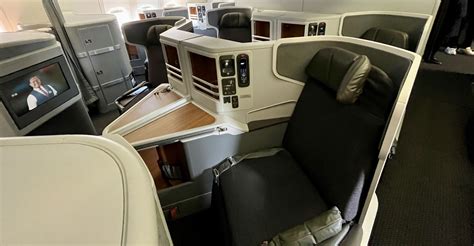
Some analysts believe the root of the issue is financial. By granting deadheading pilots first class seats without offering the same opportunity to revenue passengers, American Airlines avoids having to provide other costly repositioning arrangements, such as overnight accommodations or dedicated charter flights. It’s a budget-minded compromise, dressed in operational logic.
Yet the long-term cost could be much higher. Devaluing a loyalty program risks alienating high-margin customers. These travelers often pay premium fares, carry the airline’s branded credit cards, and make booking decisions heavily influenced by upgrade potential. Once that faith erodes, their business can follow.
American Airlines’ Misaligned Incentives
Internally, the airline may have viewed this policy as a modest reward to pilots in a labor market marked by recent strikes, contract negotiations, and crew shortages. But externally, it fuels the perception that American Airlines is prioritizing its workforce at the expense of its most dedicated patrons.
This isn’t merely a public relations misstep—it’s a systemic misalignment. In an era where travelers are increasingly value-conscious and sensitive to customer experience, such tone-deaf decisions ripple through the company’s image. Elite travelers are not just ticket buyers; they are brand evangelists. They spend more, fly more, and often influence others’ travel decisions.
By minimizing their perceived value in favor of internal policy shifts, American Airlines runs the risk of turning its strongest allies into its loudest critics.
Conclusion: A Loyalty Crisis in the Making
The decision by American Airlines to prioritize deadheading pilots for first class upgrades over even its most loyal customers is more than a contractual quirk—it is a strategic inflection point. It exposes cracks in the airline’s loyalty model and signals to customers that their status, miles, and spending may not carry the weight they once did.
If not addressed with clarity, transparency, and perhaps a reassessment of priorities, this policy could become emblematic of a broader disconnect between the airline and its core clientele. American Airlines must decide whether it wants to be the carrier that values employee convenience more than customer loyalty—or if it can find a way to restore balance before the damage becomes irreversible.