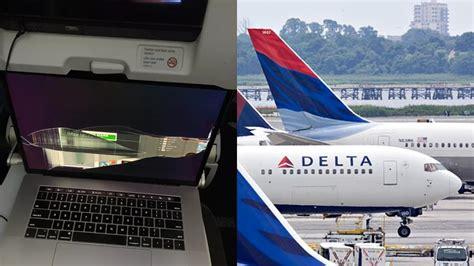
A viral video has reignited fierce discussions about traveler conduct, ethics, and entitlement in exclusive airport lounges—particularly Delta’s Sky Club at LAX. The content creator behind the video suggests a tactic that many might consider clever budgeting: filling Tupperware containers with food from the lounge buffet to consume during the flight. But is it resourceful travel hacking or a clear violation of lounge rules and social norms?
The Viral Video That Stirred the Sky Club
The video, recorded at Delta Air Lines’ Sky Club at Los Angeles International Airport (LAX), quickly gained traction on social media. The influencer unapologetically recommends using the buffet-style meals offered in the lounge to pack takeout containers. Her argument is simple: in-flight meals are often underwhelming and overpriced, so why not make the most of lounge access by packing a mid-air feast?
“You paid for lounge access. Why not get your money’s worth?” she poses to her viewers.
This idea, while provocative, has divided opinion. Many viewers praise her for finding a “loophole” in the travel system, while others criticize it as unethical behavior that could have serious implications for other travelers.
Delta Lounge Policies: Where the Line Is Drawn
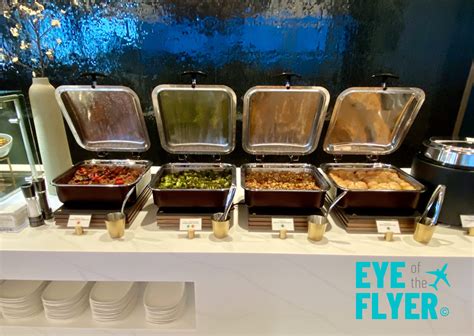
Delta Air Lines, like most major U.S. carriers, explicitly prohibits the removal of food and drinks from their lounges. The terms and conditions of Delta Sky Club usage state that buffet items are meant to be consumed on premises only. The airline emphasizes that lounge access is not intended as a takeaway service but as an exclusive in-terminal experience.
And yet, this isn’t a one-off incident. There have been growing reports of passengers bending or outright breaking lounge rules:
- At JFK, travelers were caught filling duffel bags with premium food from the Chase Sapphire Lounge.
- In another instance, a man reportedly packed multiple plates of ribs and garlic chicken into a carry-on.
These examples suggest that lounge misuse is a growing issue—one that airlines are struggling to manage.
The Ethics of Entitlement: A Fractured Travel Culture
The heart of the issue lies in the growing divide between two traveler mindsets: those who see lounges as a privilege and those who treat them as an entitlement.
For passengers paying hundreds of dollars in annual credit card fees or spending heavily to earn frequent flyer status, it can be tempting to “recoup” value in creative ways. One user commented online that she would need only 30 visits taking 36 slices of salami each to break even on her Delta Sky Club membership.
But that approach blurs the line between clever resourcefulness and opportunistic abuse. While some see taking food to-go as a victimless hack, others see it as the beginning of a decline in lounge culture.
Airlines Respond with Innovation and Crackdowns
In response to rising lounge crowding and misuse, some airlines have begun exploring alternative strategies. Delta, along with United Airlines and American Airlines, is tightening entry policies and revisiting what constitutes acceptable behavior.
Interestingly, some have leaned into the concept of grab-and-go:
- Capital One Lounges now feature designated takeaway areas with quality, packaged food.
- United’s Club Fly locations at Denver (DEN) and Houston (IAH) are designed for quick snacking and swift exits.
- Delta, while experimenting with to-go options, limits them to unique situations—like tight layovers—rather than the buffet free-for-all seen in viral videos.
Yet, enforcement remains inconsistent. Lounge attendants may reprimand a traveler for pocketing a single banana, while another guest strolls out with an entire meal unnoticed. The lack of clarity fuels more experimental behavior, especially in high-traffic hubs like LAX, ATL, and JFK.
Social Media’s Role in Normalizing Misconduct
Platforms like TikTok and Instagram have accelerated the normalization of once-taboo behavior. Travel influencers routinely share “hacks” that stretch or ignore the boundaries of travel etiquette. The video at the center of this Delta incident is one of many circulating online that challenge traditional understandings of luxury and access.
With algorithms rewarding shock value and virality, ethical considerations are often tossed aside. In this environment, influencers shape traveler expectations and behaviors, even if it results in widespread abuse of systems designed for limited use.
The Long-Term Impact on Lounge Access
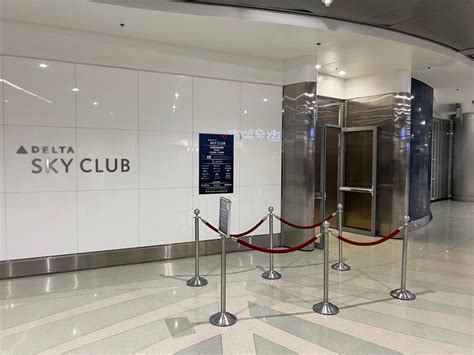
If these behaviors continue unchecked, travelers could find their lounge access drastically restricted in the future. Airlines already face challenges managing overcrowding in premium lounges. Misuse—whether through freeloading, overstaying, or removing food—adds pressure to the system.
Industry analysts suggest a few likely outcomes:
- Higher annual membership costs to compensate for excessive use.
- More stringent lounge entry qualifications, including increased spending requirements.
- Increased surveillance and staff enforcement within lounges.
What starts as a handful of travelers exploiting the buffet may evolve into sweeping policy changes that affect the majority.
Smart Strategy or System Abuse?
There’s no doubt that lounge access represents a major travel perk. The idea of maximizing that benefit—especially for travelers who shell out big dollars for elite status or high-fee cards—is understandable. But does cleverness excuse bending rules?
Most etiquette experts argue that once you step outside the contractual and social agreement of how a lounge operates, your actions cross into abuse. It’s no longer about maximizing value—it becomes a form of exploitation that undermines the experience for others.
What Delta—and Travelers—Should Do Next
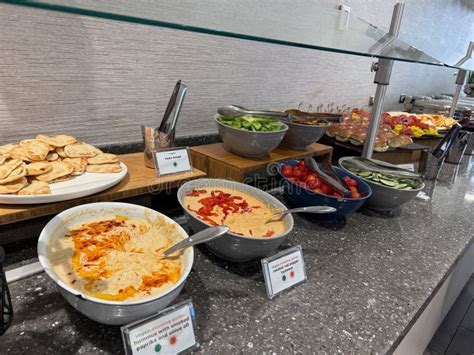
Delta finds itself in a challenging position. On one hand, public crackdowns on lounge misconduct risk alienating a portion of its high-value customer base. On the other, turning a blind eye only encourages more unruly or exploitative behavior.
One solution may lie in creating clearer signage and policies within lounges that outline acceptable conduct. Another could be expanding legitimate grab-and-go programs so travelers don’t feel the need to act covertly. Empowering staff with more consistent enforcement tools would also help reduce ambiguity.
For travelers, the takeaway is equally clear: lounges are designed to be exclusive shared spaces, not personal pantries. Taking advantage of them at the expense of others risks losing the very benefits people are trying to enjoy.
Conclusion: A Teachable Moment in Travel Culture
The Delta food-to-go incident is about far more than a viral video. It captures a cultural moment where access, entitlement, social media, and corporate policy intersect.
Airlines must adapt to a new generation of travelers raised on “hacks” and digital platforms that reward disruption. But they must do so without eroding the trust and exclusivity that make lounges valuable in the first place.
Travelers, in turn, would do well to ask themselves: just because you can do something—does that mean you should?
Because if everyone walks into a lounge thinking it’s a buffet with a backpack, we may all find the doors shut tighter than ever before.