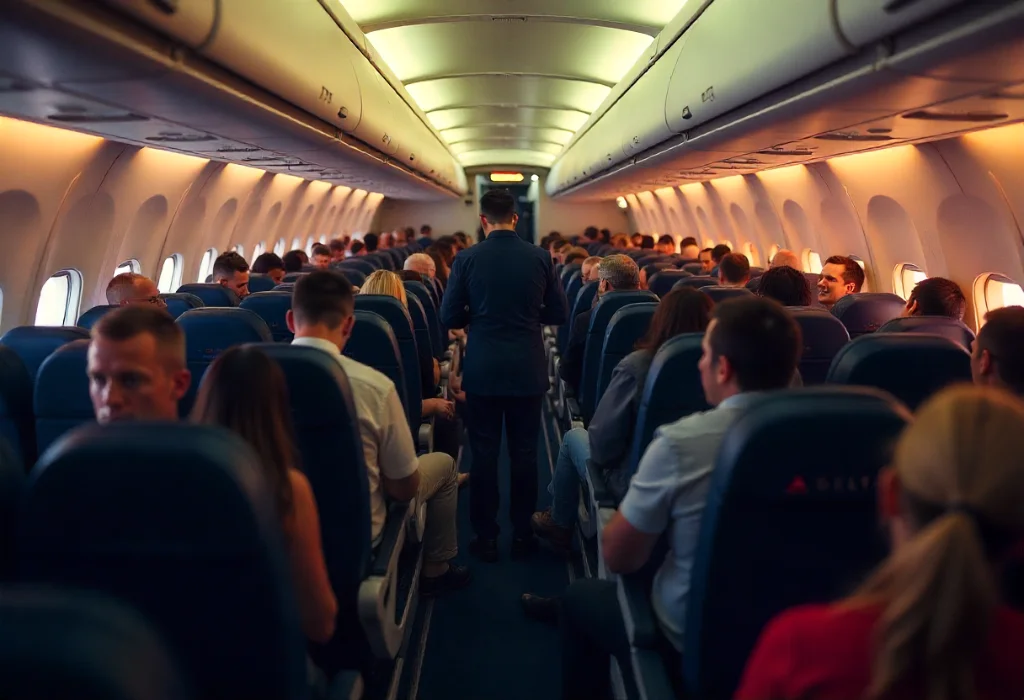
A recent Delta Air Lines flight from New York’s JFK Airport to Atlanta ignited widespread passenger outrage after several off-duty flight attendants boarded with excessive carry-on luggage, reportedly up to five bags each. This unexpected overload quickly filled the limited overhead bin space, leaving paying passengers scrambling for room. The incident has once again spotlighted a growing and largely unresolved conflict in commercial aviation: the disparity between crew luggage allowances and passenger limitations.
Crew Carry-Ons vs. Passenger Restrictions: The Double Standard
Passengers flying with major U.S. carriers, including Delta, are typically limited to one carry-on bag and one personal item. This standard is enforced strictly at boarding gates and throughout the airport. However, flight attendants and crew members, particularly when they are deadheading (traveling off-duty to reposition for another flight), operate under a different set of rules. Federal regulation 14 CFR §121.589 sets the carry-on limitations only for passengers, allowing airlines to establish their own policies for crew baggage.
Delta, like other major airlines, permits its crew members to travel with multiple bags—including duty bags, personal gear, and specialized equipment. These allowances are deemed operationally necessary, yet they often create tangible inconvenience for passengers. The issue becomes more severe on fully booked flights with limited cabin storage, especially when crew-designated bins have been eliminated in aircraft cabin redesigns to maximize seat capacity.
The JFK-ATL Flight Incident: What Exactly Happened?
The controversial flight departed JFK Airport en route to Atlanta, where several off-duty Delta flight attendants reportedly brought an excessive number of carry-on bags aboard. One viral photo circulated online depicted a crew member wheeling multiple suitcases down the aisle, sparking widespread frustration among passengers.
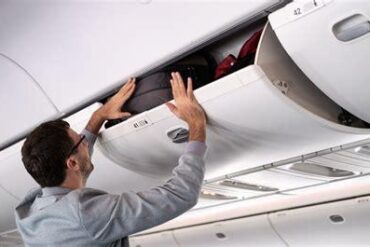
Witnesses claimed they were denied space for their own bags, despite adhering to Delta’s one-bag policy. Flight attendants, while not actively working that flight, were allowed to occupy overhead compartments typically designated for paying customers. As bins filled prematurely, some passengers were forced to check their bags at the gate—causing delays, stress, and perceived injustice.
The Shrinking Space in Modern Aircraft
One of the root causes of this issue is the systematic reduction of crew-only storage space on newer aircraft. Airlines are redesigning cabin interiors to increase revenue per flight by adding more seats. Unfortunately, that redesign often comes at the expense of designated crew compartments, leaving off-duty staff to compete for the same limited space as passengers.
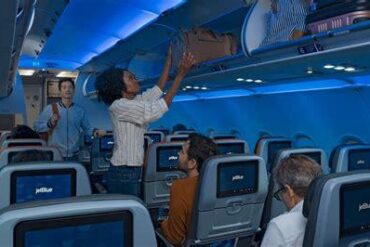
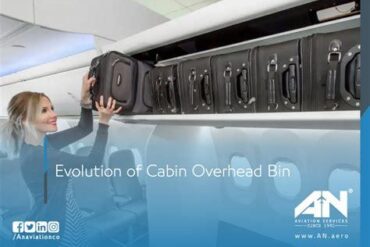
As modern aircraft feature larger overhead bins designed to accommodate standard-sized roll-aboards, airlines now encourage passengers to bring carry-ons instead of checking bags. However, this shift places additional strain on already crowded cabin space. When crews board with numerous bags, the math simply doesn’t work: too many bags, not enough space.
Passenger Reactions: Growing Discontent and a Broken System
The online response to the Delta incident was swift and fiery. Passengers expressed anger, confusion, and betrayal, feeling that the airline failed to respect their rights. Many echoed the sentiment that while they pay hefty fares and follow the rules, off-duty employees are exploiting loopholes, all while eroding the passenger experience.
This isn’t an isolated case. Similar complaints have surfaced on other airlines, highlighting an industry-wide policy misalignment. With overhead bin space being both finite and unregulated by the FAA, airlines are left to manage it through internal guidelines that often favor operational convenience over customer satisfaction.
Social Media as a Catalyst for Policy Accountability
As with many travel controversies in the digital age, social media served as the megaphone that brought this issue into the public consciousness. Photos and first-hand accounts from the Delta flight flooded platforms like Twitter, TikTok, and Instagram, amplifying the backlash and putting pressure on airline executives to explain or revise their policies.
These platforms allow real-time exposure of airline practices, giving voice to disgruntled customers. With a single viral image, the optics of fairness and customer service come under scrutiny. In an era where customer perception is shaped online, airlines can no longer afford to ignore such backlash.
Airline Policy vs. Federal Regulation: A Loophole Explained
FAA regulations primarily govern passenger carry-on safety, including what can be brought on board and how items must be stored. However, airlines have broad discretion in setting internal baggage rules for their own employees. This regulatory gap permits a kind of preferential treatment—often justified on operational grounds—but which, in practice, inconveniences paying customers.
For example, the FAA requires airlines to submit their carry-on baggage programs for approval, ensuring they do not obstruct emergency evacuations. But these plans do not require equitable access between passengers and crew, allowing airlines to allocate space disproportionately. Delta’s current baggage policy for crew may comply with the FAA but still creates significant customer dissatisfaction when bin space is taken up by non-working employees.
Possible Solutions: How Airlines Can Restore Balance
Airlines must acknowledge that repeated incidents like this erode trust and customer loyalty. If crew luggage allowances are perceived to reduce passenger convenience, then policies must evolve. Several measures could mitigate future conflict:
- Reintroduce crew-only storage areas: Aircraft designs must accommodate operational crew needs without infringing on passenger space.
- Limit the number of crew bags permitted on deadhead flights: Operational necessity must be balanced against customer experience.
- Increase transparency: Airlines should inform passengers ahead of boarding when crew are expected to use overhead bins.
- Prioritize paying passengers’ space: Gate agents and flight crews could be trained to monitor bin usage to ensure passengers are not displaced.
- Enhance checked bag incentives: Offering free or expedited checked baggage for all passengers can reduce bin demand.
The Role of Union Agreements and Crew Logistics
Another under-discussed element in the luggage debate is the role of union agreements and crew logistics. Flight attendants’ contracts often contain clauses protecting their ability to travel with necessary gear—particularly when deadheading. These logistics are central to keeping flight schedules on time and personnel available across an airline’s network. However, these operational needs must not supersede customer expectations without compromise.
Airlines should revisit crew logistics and union agreements with a renewed focus on passenger experience integration. Balancing these competing priorities is complex but necessary. When customers see crew members boarding with three to five bags, it sends a message that some people are above the rules—and that’s a brand perception nightmare.
Industry Trends and the Future of Bin Space Conflicts
The trend of shrinking storage options amid rising passenger counts is unlikely to reverse without intentional design intervention. Aircraft like the Boeing 737 MAX and Airbus A321neo offer expanded bin space, but airlines continue to maximize seat density over cabin comfort. If carry-on congestion worsens, we could see a shift back toward mandatory gate-checking or even a return to checked baggage incentives to reduce bin usage.
Additionally, automated bin allocation technology may emerge, directing passengers to designated compartments or allowing flight attendants to assign bin zones during boarding. Such innovations could alleviate chaos and optimize space efficiency.
Conclusion: A Wake-Up Call for Fairer Air Travel
The Delta flight incident underscores a key friction point in modern air travel: passenger equity versus operational flexibility. While flight attendants require equipment and travel allowances to perform their duties effectively, that necessity should never come at the direct expense of fare-paying passengers.
For airlines, this controversy is more than a PR blip—it is a symptom of outdated policies clashing with modern passenger expectations. To maintain loyalty and reputation, carriers must take proactive steps to ensure that bin space conflicts do not become the norm. With clear communication, better infrastructure, and revised policies, balance can be restored—ensuring that every traveler, from pilot to passenger, flies with respect and fairness.