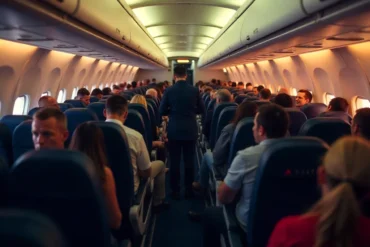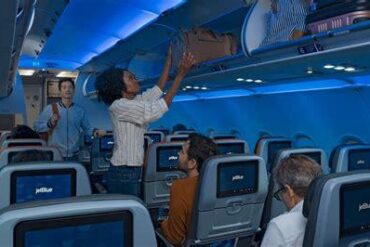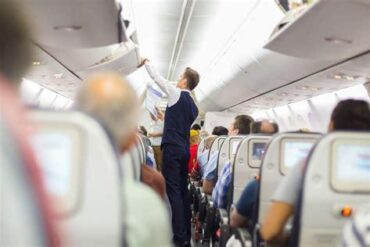
For most travelers, boarding a plane feels like a simple routine. You scan your boarding pass, walk down the jet bridge, find your seat, and wait for departure. Yet from the perspective of cabin crew, boarding is one of the most information-rich moments of the entire journey. During these few minutes, flight attendants quietly assess hundreds of passengers, gathering clues about safety, comfort, potential assistance needs, and overall cabin management.
What surprises many travelers is how quickly these assessments happen. Long before the aircraft pushes back from the gate, experienced cabin crew members have often formed a remarkably accurate impression of who flies regularly, who travels occasionally, and who may be stepping onto an aircraft for the very first time.
Among all the signals they observe, one boarding habit stands out above the rest. It happens at the overhead bin, and according to many flight attendants, it can reveal a passenger’s level of flying experience almost immediately.
Why Boarding Is More Important Than Most Passengers Realize
Boarding is far more than a greeting process. While passengers see smiling flight attendants welcoming people onboard, crew members are simultaneously performing a complex set of responsibilities. They monitor passenger flow, verify cabin readiness, identify travelers who may require additional assistance, and maintain awareness of potential safety concerns.
Every movement inside the aircraft contributes to the efficiency of departure. Airlines operate on carefully planned schedules, and even minor boarding delays can create operational challenges. As a result, cabin crew become exceptionally skilled at recognizing behaviors that either help or hinder the boarding process.
Many of these observations occur subconsciously. After serving thousands of flights, flight attendants develop an instinctive understanding of passenger behavior patterns. Small actions that seem insignificant to travelers can communicate a surprising amount of information.
The Overhead Bin Habit That Instantly Gives Away Experience
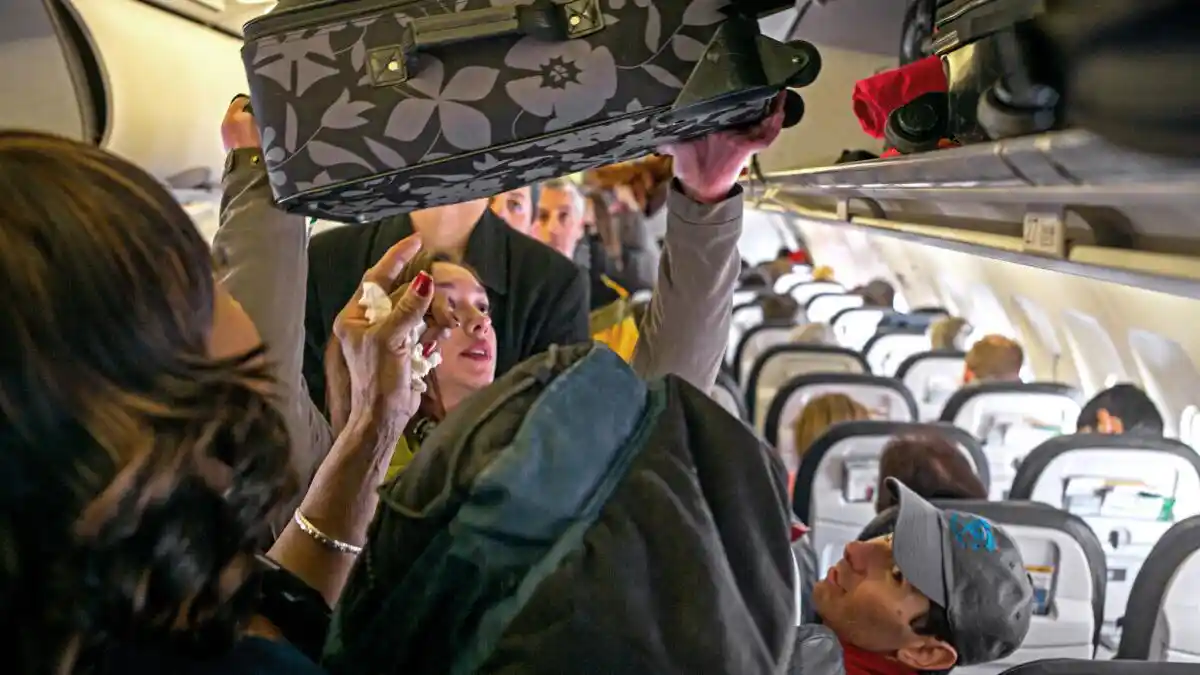
The clearest indicator of travel experience is often how a passenger handles carry-on luggage when reaching their assigned row.
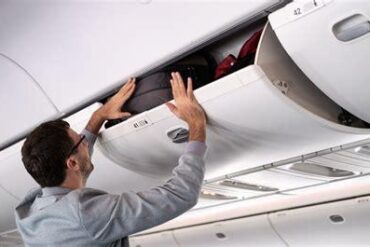
Frequent flyers typically arrive prepared. They already know where their essential items are located, understand how overhead storage works, and move with purpose. Upon reaching their seat area, they lift their carry-on into the compartment, position it correctly, close the bin, and sit down with minimal interruption to the flow of boarding traffic.
The entire process often takes only a few seconds.
Less experienced travelers frequently approach the same situation differently. Some stop in the aisle and begin searching through their bags. Others remove jackets, chargers, tablets, snacks, or travel documents while dozens of passengers wait behind them. Many hesitate while deciding whether their luggage belongs in a particular compartment or whether another storage location would be better.
The delay may seem minor from an individual perspective. However, on a full aircraft carrying 200 to 400 passengers, those brief pauses accumulate quickly. Cabin crew witness these slowdowns repeatedly, making them one of the easiest behaviors to identify.
What appears to be a simple luggage decision often tells flight attendants everything they need to know about a passenger’s familiarity with air travel.
Why Frequent Flyers Store Bags Differently
Experienced travelers rarely think about overhead bin strategy because it has become second nature. They understand that cabin space is limited and that efficient packing benefits everyone onboard.
One common characteristic is the orientation of the carry-on bag. Airlines generally recommend placing rolling suitcases wheels first into the overhead compartment. This positioning maximizes available storage space and allows more luggage to fit within the cabin.
Passengers who fly regularly often perform this action automatically. Years of travel have taught them how aircraft storage systems work and why space efficiency matters.
In contrast, inexperienced travelers may place bags sideways or at awkward angles. Although seemingly harmless, improper positioning can consume valuable space and create storage challenges for passengers boarding later.
There is also a practical hygiene consideration. Suitcase wheels travel through airport terminals, sidewalks, security checkpoints, gate areas, and aircraft aisles before reaching the cabin. Positioning the wheels deeper inside the compartment reduces contact with surfaces that passengers may touch when retrieving belongings.
This level of awareness tends to develop naturally among people who spend significant time traveling.
The Confidence Factor Cabin Crew Notice Immediately
Beyond luggage handling, confidence inside the cabin provides another strong indicator of flying experience.
Passengers unfamiliar with air travel often enter the aircraft cautiously. They repeatedly check boarding passes, carefully examine row numbers, and move more slowly while trying to orient themselves.
These behaviors are completely understandable. Aircraft cabins can appear surprisingly similar, particularly on larger planes where rows seem endless. First-time travelers are often processing a significant amount of information at once.
Frequent flyers navigate differently. They usually know approximately where their seat will be located before entering the aircraft. Many count rows instinctively or recognize seating layouts from previous flights on the same aircraft type.
Instead of stopping frequently, they maintain a steady pace toward their destination. Their movements appear smoother because they are relying on familiar routines rather than actively solving each step of the process.
Cabin crew notice this distinction almost immediately.
How Experienced Travelers Prepare Before Boarding
One characteristic shared by many seasoned travelers is preparation.
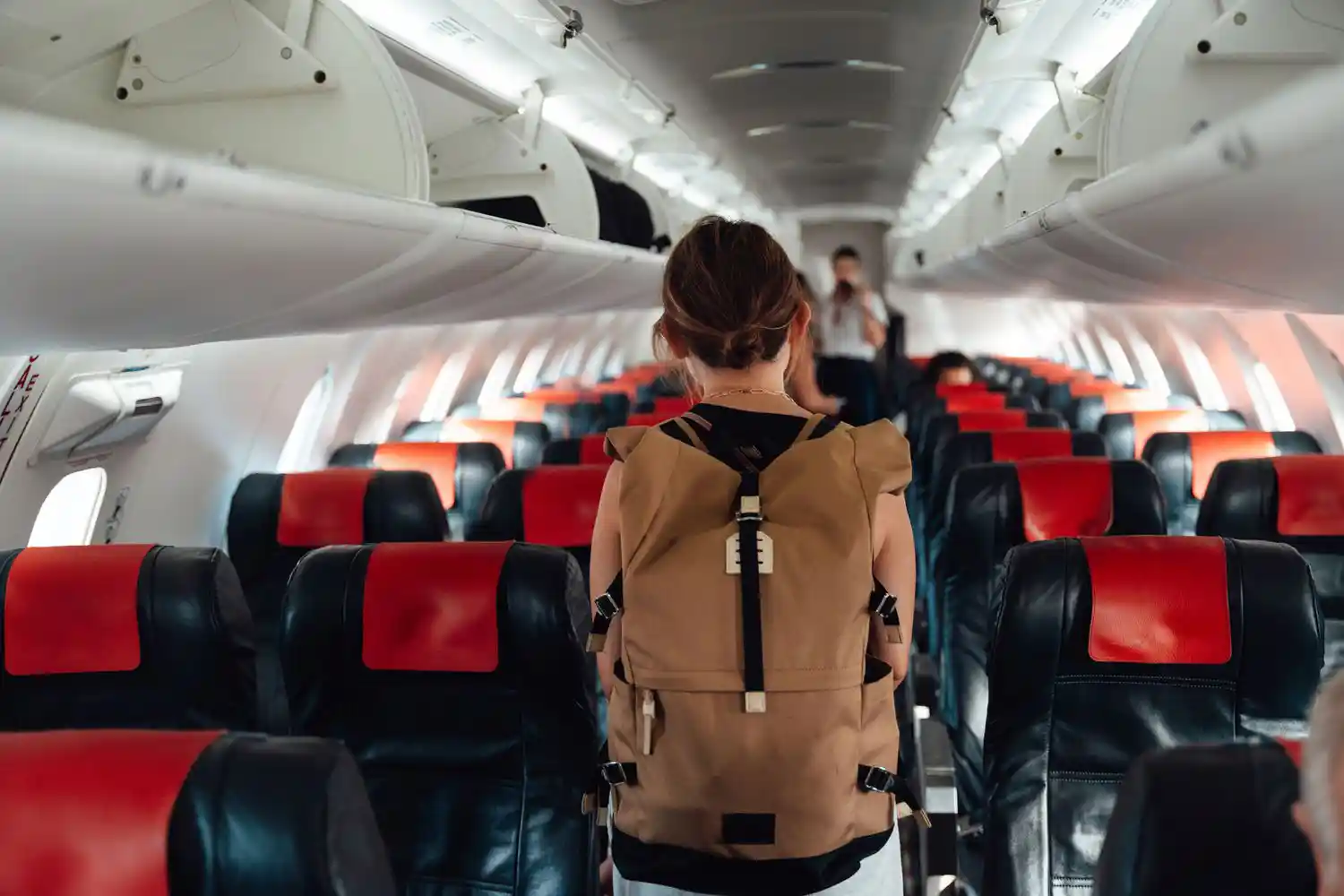
Rather than waiting until they reach their seat, experienced passengers often organize their belongings before boarding begins. Items likely to be needed during the flight are placed within easy reach. Headphones, passports, medications, charging cables, reading materials, and personal electronics are typically separated from larger luggage.
As a result, once seated, they rarely need to reopen overhead bins repeatedly.
This preparedness contributes to a smoother boarding experience for everyone onboard. It also reflects a broader understanding of how aircraft cabins function. Frequent travelers know that repeatedly standing up, opening storage compartments, and searching for items can create congestion during critical phases of boarding.
Flight attendants often describe experienced passengers as individuals who settle in quickly and efficiently. Within moments of sitting down, their belongings are organized, seat belts are accessible, and they are ready for departure.
The Subtle Signs of First-Time Flyers
First-time flyers often display behaviors that experienced crew members recognize instantly, though not negatively.
Excitement is one of the most common indicators. New travelers may spend more time looking around the cabin, examining seat features, photographing the interior, or observing other passengers. Everything feels new, and curiosity naturally becomes part of the experience.
Questions also provide clues. First-time passengers may ask about overhead storage, seat assignments, lavatory locations, boarding procedures, or flight duration. These questions are entirely normal and help travelers become comfortable in an unfamiliar environment.
Interestingly, cabin crew generally welcome such interactions. Clear communication helps ensure passengers understand safety procedures and feel more confident throughout the journey.
The distinction between experienced and inexperienced travelers is therefore less about competence and more about familiarity.
Premium Cabin Passengers Reveal Similar Patterns
The same observational skills apply in business class and first class.
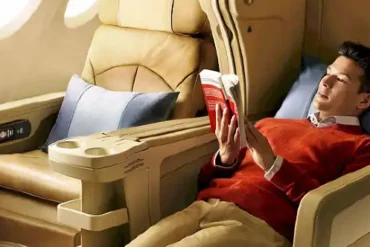
As premium travel continues to expand globally, airlines increasingly welcome passengers experiencing these cabins for the first time. Cabin crew serving premium sections regularly encounter travelers who are unfamiliar with the unique features and service routines associated with higher-end travel.
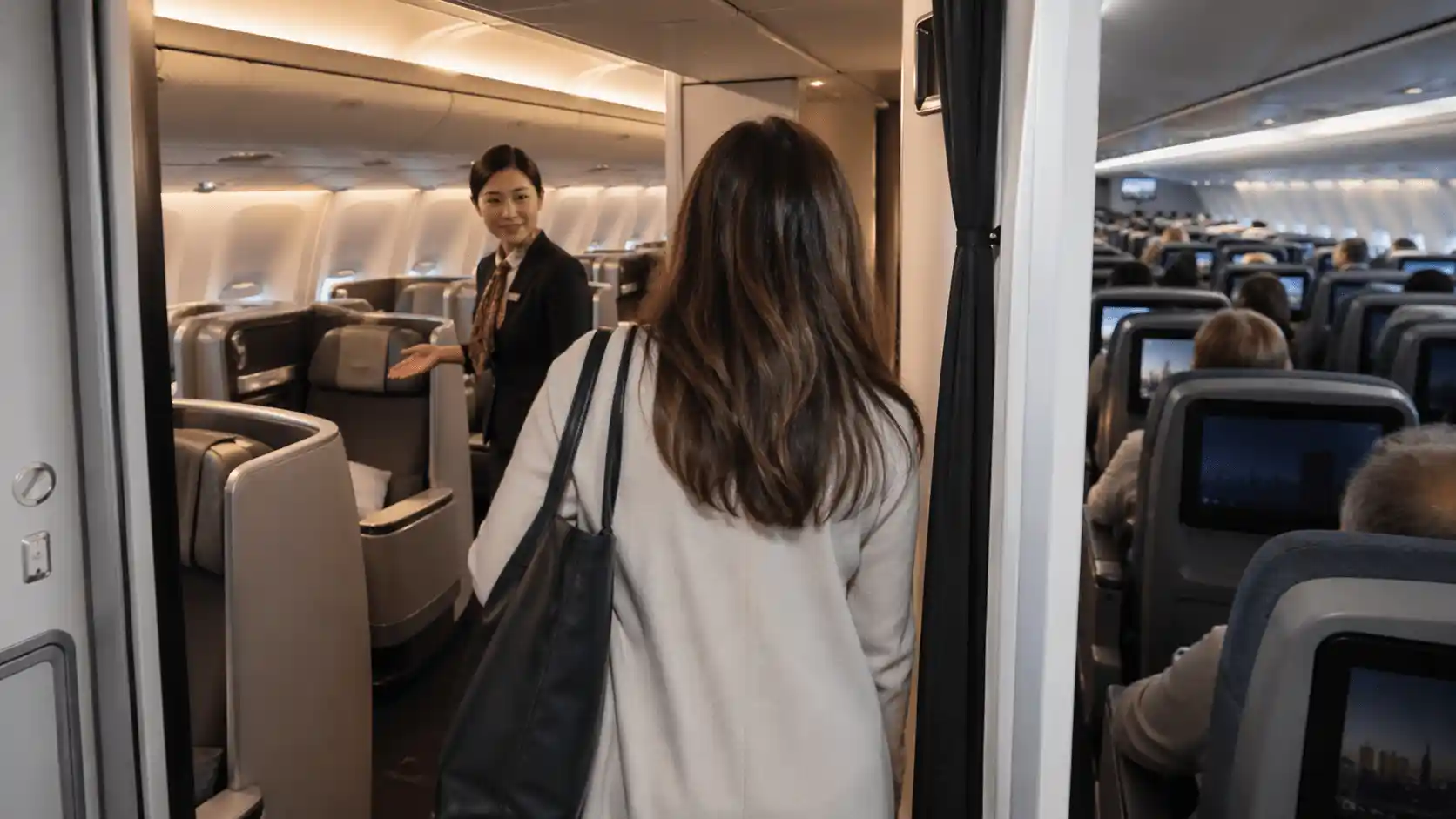
First-time premium passengers often display visible enthusiasm. They may take photographs of their suite, examine every storage compartment, test seat controls, or ask detailed questions about meals, beverages, and onboard amenities.
Some hesitate before using features because they are uncertain about etiquette. Questions about reclining seats, changing into provided sleepwear, requesting refreshments, or accessing lounge-style services are common.
Meanwhile, experienced premium travelers typically settle into their seats almost immediately. They understand the service sequence, recognize the amenities available, and know what to expect before departure.
Neither approach is viewed negatively by cabin crew. In fact, many flight attendants enjoy seeing passengers genuinely excited about a premium travel experience. Enthusiasm often creates positive interactions throughout the flight.
Safety Assessments Begin the Moment You Board
While many observations relate to travel experience, some serve critical safety purposes.
Boarding provides one of the few opportunities for flight attendants to assess passengers individually before departure. During this time, crew members identify factors that may influence emergency procedures or in-flight assistance requirements.
They observe mobility limitations, monitor signs of illness, and evaluate whether passengers appear physically capable of responding during an emergency evacuation.
Footwear sometimes attracts attention for this reason. High heels, loose sandals, and restrictive clothing can affect mobility during emergency situations. Flight attendants are not judging fashion choices; rather, they are mentally noting circumstances that could require additional guidance if an evacuation becomes necessary.
Passengers traveling with infants, elderly family members, or mobility aids may also receive additional attention. These observations help crew members prepare to provide support if circumstances require it.
Safety remains the primary purpose behind much of what cabin crew notice during boarding.
How Flight Attendants Identify Potential Problems Early
Another important aspect of boarding involves identifying issues before they escalate.
Cabin crew receive extensive training in recognizing signs of intoxication, medical distress, and disruptive behavior. Boarding offers an ideal opportunity to detect these warning signals before the aircraft leaves the gate.
Indicators may include slurred speech, difficulty maintaining balance, unusual aggression, visible confusion, persistent coughing, dizziness, or signs of severe discomfort.
Early recognition allows crew members to intervene appropriately, coordinate with ground personnel when necessary, and ensure the safety of everyone onboard.
These assessments happen discreetly. Most passengers never realize they are occurring, yet they represent an essential component of modern airline operations.
The Simple Gesture Cabin Crew Appreciate Most
Among all the behaviors flight attendants observe during boarding, one stands out as particularly memorable: acknowledging the crew.
A simple greeting, smile, or moment of eye contact can have a surprisingly positive impact. Boarding is one of the busiest and most demanding periods of a flight. Flight attendants are simultaneously managing safety responsibilities, passenger questions, seating issues, luggage concerns, and operational deadlines.
When passengers take a moment to say hello or thank the crew, it often creates a more pleasant interaction from the start.

Respectful communication throughout the flight leaves a lasting impression as well. Patience during service delays, polite requests, and expressions of appreciation contribute to a more positive cabin environment.
While courteous behavior does not guarantee special treatment, it often fosters warmer interactions between passengers and crew members. Small acts of kindness tend to be remembered.
What Your Boarding Habits Really Reveal
The fascinating reality of air travel is that tiny actions frequently communicate more than passengers expect. The way someone approaches an overhead bin, organizes personal belongings, navigates the aisle, or interacts with crew members can reveal years of accumulated travel experience.
For cabin crew, these observations are not primarily about judging passengers. They are practical tools that help maintain safety, efficiency, and comfort onboard. Understanding who may need assistance, who appears uncertain, and who is familiar with airline procedures enables crews to manage the cabin more effectively.
The next time you board a flight, it is worth remembering that the process involves much more than finding a seat. Within seconds of stepping through the aircraft door, flight attendants are already gathering valuable information. And among all the clues available, few are more revealing than the simple way a passenger handles the overhead bin.