The modern premium cabin is no longer an exclusive sanctuary reserved for corporate elites and frequent flyers who glide through airports with practiced indifference. Today, business class has become a strategic battleground for airlines, a place where margins are maximized, brand identities are defined, and customer loyalty is cultivated with precision. As airlines expand premium seating and refine high-end experiences, a new type of traveler is stepping into the spotlight—the first-time business class passenger.
This shift has created a fascinating dynamic onboard. Cabin crew, positioned at the intersection of service delivery and passenger behavior, are uniquely equipped to spot the subtle tells that distinguish seasoned travelers from newcomers. These observations are not rooted in judgment but in operational awareness, allowing crew members to tailor service, manage expectations, and preserve the flow of an increasingly complex cabin environment.
The Premium Cabin Boom: Why More First-Time Flyers Are Moving Up Front
The expansion of business class is not accidental—it is a calculated evolution driven by economics. Airlines have realized that premium cabins generate disproportionate revenue, often contributing a significant share of profits despite occupying a fraction of total seats. As a result, carriers are redesigning aircraft interiors, increasing premium seat density, and targeting a broader customer base.
This transformation has been accelerated by several key forces:
- Loyalty programs and points redemptions making upgrades more accessible
- Premium leisure travel rising as travelers prioritize comfort over cost
- Corporate travel recovery, particularly on long-haul routes
- Competitive differentiation, where airlines use premium cabins to stand out
What emerges is a new reality: business class is no longer rarefied air. It is a growing ecosystem filled with passengers who may be experiencing lie-flat seats, curated dining, and personalized service for the very first time.
A New Passenger Profile: Excitement Meets Uncertainty
For first-time flyers, stepping into business class is often a moment of genuine excitement. The wider seats, the quiet ambiance, the attentive service—it all feels like a dramatic upgrade from the economy experience. Yet beneath that excitement lies a layer of uncertainty.
Cabin crew are trained to recognize this delicate balance. Unlike seasoned travelers who move with quiet confidence, first-time passengers often exhibit micro-behaviors that signal unfamiliarity. These behaviors are rarely overt but become immediately apparent to experienced crew members.
Boarding Behavior: The First Telltale Signs
The boarding process is often where the first indicators emerge. Experienced business class travelers typically move with efficiency. They know when to board, how to navigate the cabin, and where to place their belongings without hesitation.
First-time passengers, by contrast, may pause slightly at the entrance, taking in the surroundings. There is often a moment of visual processing, as they absorb the layout, the seating arrangement, and the overall atmosphere. This hesitation is not confusion—it is curiosity combined with a desire to get things right.
Cabin crew notice:
- A brief pause at the doorway, scanning the cabin
- Uncertainty about whether to greet or move quickly
- Slight hesitation when locating their seat
These subtle cues allow crew members to adjust their approach, offering a warmer, more guided welcome.
The Overhead Bin Dilemma: Unwritten Rules in Action
One of the most overlooked aspects of premium travel is overhead bin etiquette. In business class, space is more abundant, but expectations are also more defined. Seasoned passengers instinctively understand that each seat generally corresponds to a specific storage area.
First-time flyers may:
- Place bags in the nearest available bin without considering seat alignment
- Rearrange items multiple times to “optimize” space
- Ask for reassurance about whether their bag placement is acceptable
Crew members often step in discreetly, ensuring that storage remains organized while avoiding any sense of correction or embarrassment.
Seat Controls: A Playground of Possibilities
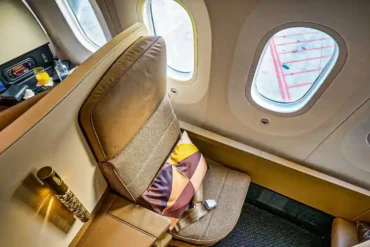
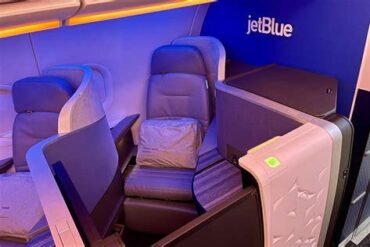
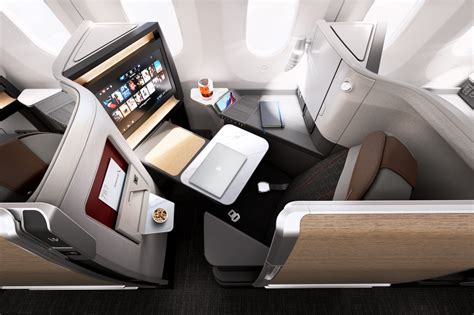
Business class seats are engineering marvels—fully adjustable, feature-rich, and designed for maximum comfort. For a newcomer, however, they can feel like a complex control panel.
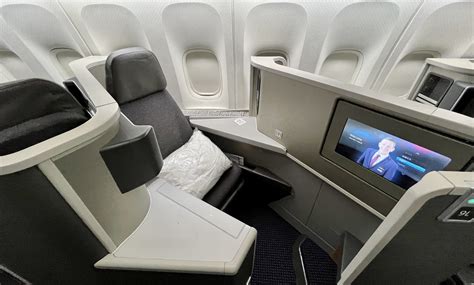
It is common for first-time passengers to explore every button, sometimes cycling through multiple positions before settling. This exploration is one of the most recognizable behaviors observed by cabin crew.
Typical patterns include:
- Testing recline angles repeatedly
- Adjusting lumbar support and leg rests multiple times
- Asking detailed questions about seat functionality
Rather than rushing the process, experienced crew members often allow this exploration, stepping in only when guidance is clearly needed.
Pre-Departure Rituals: Champagne, Curiosity, and Cameras
The pre-departure phase is another revealing moment. Seasoned travelers tend to accept drinks with minimal interaction, often sticking to a preferred choice. First-time passengers, on the other hand, engage with the experience more actively.
They may:
- Ask about drink options in detail
- Photograph the glassware, menu, or cabin interior
- Express visible delight at being offered champagne before takeoff
This enthusiasm is contagious and often appreciated by crew members, who recognize it as a reminder of the value of the product they deliver.
Dining On Demand: Navigating an Unfamiliar Concept
One of the defining features of modern business class is dine-on-demand service, allowing passengers to eat when they choose rather than following a fixed schedule. While this flexibility is a hallmark of premium travel, it can also be confusing for first-time flyers.
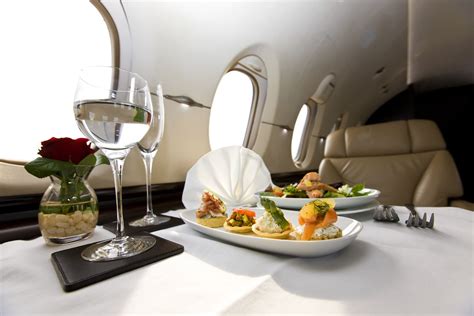
Uncertainty often revolves around:
- When to place an order
- Whether multiple courses are included
- How frequently it is appropriate to request food or drinks
Cabin crew quickly identify these uncertainties and often provide gentle explanations, framing the service as flexible rather than structured.
Amenity Kits and Pajamas: Small Details, Big Questions
Premium cabins frequently offer amenities such as luxury kits and sleepwear, but these perks can create moments of hesitation for new passengers. The question is rarely about availability—it is about appropriateness.
First-time flyers may wonder:
- Should pajamas be worn immediately or later in the flight?
- Are all items in the amenity kit complimentary?
- Is it acceptable to take unused items home?
Crew members are adept at answering these questions without making assumptions, ensuring that passengers feel comfortable enjoying every aspect of the experience.
The Psychology of Asking: How Much Is Too Much?
A defining trait of first-time business class passengers is uncertainty about boundaries. Unlike experienced travelers who understand the rhythm of service, newcomers may hesitate to request anything beyond what is offered.
This hesitation can manifest as:
- Reluctance to use the call button
- Over-apologizing when making requests
- Asking for permission before requesting additional items
Cabin crew often counter this by being more proactive, offering refills, checking in frequently, and reinforcing that the service is designed to be used.
Excitement as a Signal: The Human Element
Perhaps the most unmistakable indicator is genuine excitement. First-time passengers often display a level of enthusiasm that contrasts sharply with the composed demeanor of frequent flyers.
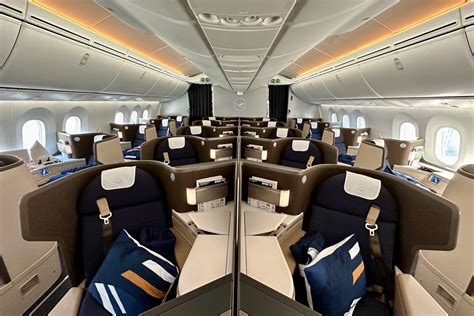
This excitement may include:
- Taking photos of the seat, cabin, or view
- Sharing the experience with travel companions
- Expressing appreciation directly to crew members
Far from being disruptive, this behavior often enhances the cabin atmosphere, adding a sense of occasion that even seasoned travelers can appreciate.
Cabin Crew Strategy: Subtle Guidance Without Spotlighting
The role of cabin crew extends far beyond service delivery. In a premium cabin filled with diverse passenger profiles, they must balance efficiency with personalization. When identifying first-time flyers, the goal is not to single them out but to quietly elevate their experience.
This involves:
- Offering proactive explanations without being intrusive
- Anticipating needs before they are voiced
- Maintaining a seamless service flow for all passengers
The best crew members operate with a level of emotional intelligence that allows them to guide without correcting, assist without overwhelming, and engage without drawing unnecessary attention.
Why First-Time Flyers Matter More Than Ever
From an airline perspective, first-time business class passengers are not just customers—they are potential repeat buyers. Their initial experience plays a critical role in determining whether they will choose premium cabins again.
A positive first impression can lead to:
- Increased brand loyalty
- Higher likelihood of future upgrades or purchases
- Strong word-of-mouth recommendations
Conversely, confusion or discomfort can undermine the perceived value of the product. This is why cabin crew performance is so closely tied to airline strategy.
The Evolution of Premium Service: From Luxury to Expectation
As premium cabins become more accessible, the definition of luxury is evolving. What was once considered exceptional is now expected. Passengers are no longer simply paying for space—they are paying for a curated, frictionless experience.
This shift places additional pressure on cabin crew to deliver consistency at scale. They must cater to seasoned travelers who expect efficiency while simultaneously guiding newcomers through unfamiliar territory.
A Delicate Balance: Experience Versus Discovery
The coexistence of experienced and first-time passengers creates a unique cabin dynamic. On one hand, there are travelers who value speed, privacy, and minimal interaction. On the other, there are those who are discovering the product for the first time and engaging with every detail.
Cabin crew must navigate this balance carefully, ensuring that:
- Enthusiastic behavior does not disrupt the cabin environment
- Reserved passengers receive uninterrupted service
- The overall atmosphere remains calm and premium
This balancing act is one of the most challenging aspects of modern premium service.
The Quiet Art of Making Passengers Feel at Home
Ultimately, the defining skill of exceptional cabin crew is their ability to make every passenger feel as though they belong. For first-time business class flyers, this means transforming uncertainty into confidence.
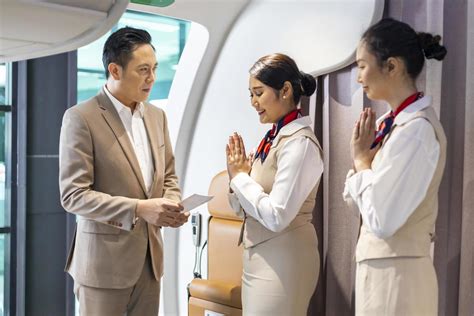
This transformation happens through small, deliberate actions:
- A reassuring smile during boarding
- A clear explanation of service options
- A timely check-in during the flight
These moments, while subtle, have a lasting impact on how passengers perceive the experience.
Conclusion: A New Era of Premium Travel
The rise of first-time business class passengers is not a passing trend—it is a reflection of a broader shift in the aviation industry. Premium cabins are expanding, accessibility is increasing, and the passenger base is becoming more diverse.
For cabin crew, this evolution presents both challenges and opportunities. They are no longer պարզապես service providers; they are navigators of experience, guiding passengers through a product that is as much about emotion as it is about comfort.
For travelers, the message is clear: stepping into business class for the first time is not about knowing every rule or mastering every detail. It is about embracing the experience, asking questions when needed, and allowing the journey to unfold.
And for those watching closely—especially the cabin crew—it is often the smallest moments of curiosity, hesitation, and excitement that tell the most compelling story.