For decades, business class represented a carefully controlled ecosystem dominated by executives, consultants, and frequent corporate travelers. The cabin was designed around productivity and efficiency: privacy doors for uninterrupted work, lie-flat beds for overnight recovery, and premium dining timed around demanding schedules. Cabin crew serving these sections often catered to passengers who already understood the unwritten rules of premium flying. Everything moved with predictable rhythm.
That world is changing rapidly.
Today’s business class cabins are increasingly filled with honeymooners, retirees, influencers, families celebrating milestones, and travelers redeeming loyalty points accumulated through credit cards rather than constant work travel. Airlines are witnessing a remarkable shift in customer demographics, and cabin crew are among the first to notice the transformation happening at 35,000 feet.
The rise of leisure-focused premium travel is reshaping everything from inflight service expectations to aircraft cabin design. Business class is no longer an exclusive corporate territory. It has become an aspirational lifestyle purchase — and airlines are racing to capitalize on the trend.
The numbers reveal just how dramatic this transformation has become. International premium travel surged by nearly 12% in 2024, far outpacing economy-class growth. United Airlines alone carried a record 27.4 million premium passengers in 2025, while carriers such as Delta and American Airlines continue expanding premium seating far faster than economy capacity.
Behind the statistics lies a deeper cultural shift: travelers increasingly view premium cabins as part of the vacation itself rather than merely transportation.
Why Leisure Travelers Are Driving The Business Class Boom
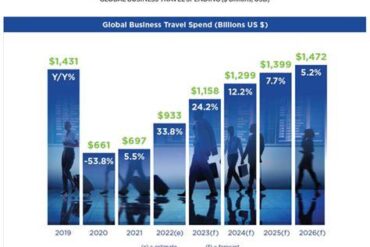
Corporate travel once acted as the financial backbone of business class. Large companies routinely paid high fares so executives could arrive rested and productive. That spending culture weakened considerably after global economic uncertainty, inflation pressures, and the widespread normalization of remote meetings.
Businesses began scrutinizing travel budgets more aggressively. Premium airfare became harder to justify when video conferencing could replace many in-person meetings.
Airlines quickly realized they needed a new customer base to sustain their lucrative premium cabins.
Leisure travelers stepped into the gap.
Affluent vacationers increasingly prioritize comfort over cost, especially on long-haul routes. Travelers heading to Europe, Asia, or the Middle East are now willing to spend thousands more for direct aisle access, premium dining, luxury airport lounges, and fully flat beds that eliminate jet lag from their holiday.
This behavioral shift has dramatically altered airline strategy.
Qantas executives have reported that roughly 70% of business-class passengers departing London are now leisure travelers rather than corporate customers. In premium economy, the figure rises even higher. Delta Air Lines has observed a major increase in passengers paying outright for premium seats instead of relying on upgrades, with 75% of first-class seats now occupied by full-fare customers compared to just 12% in 2009.
That statistic alone demonstrates how premium flying has evolved from an elite corporate necessity into a mainstream aspirational experience.
Social media has amplified the phenomenon. Platforms like Instagram, TikTok, and YouTube transformed business class into a highly visible luxury product. Travelers now watch detailed cabin tours before booking flights, compare amenity kits online, and rank airline meals like restaurant critics.
Flying premium has become part transportation, part status symbol, and part entertainment experience.
The Democratization Of Premium Travel
Business class has not become cheap. Far from it. What changed is accessibility.
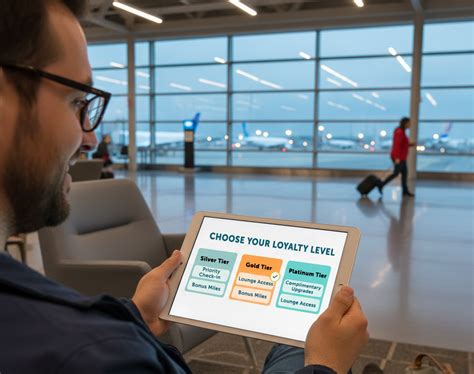
Loyalty programs, travel credit cards, points transfers, and upgrade systems have allowed travelers who would never normally pay full premium fares to experience luxury cabins for the first time.
Frequent flyer programs revolutionized airline economics decades ago, but their modern influence is even more powerful. Travelers now accumulate points through everyday spending rather than constant flying. A family can earn enough miles through credit card purchases, hotel stays, and promotions to secure upgrades on international flights.
That accessibility has fundamentally democratized premium aviation.
Programs like United MileagePlus, Delta SkyMiles, and American AAdvantage transformed business class from an exclusive business tool into an achievable travel goal. Instead of viewing premium cabins as inaccessible luxury, many passengers now treat them as milestone experiences worth saving points for.
The psychological difference matters enormously.
A traveler spending $6,000 outright on a business-class seat behaves differently from someone upgrading through miles after years of collecting points. The latter often approaches the experience with excitement, curiosity, and a determination to maximize every included benefit.
Cabin crew notice immediately.
Cabin Crew Are Becoming Product Experts And Experience Guides
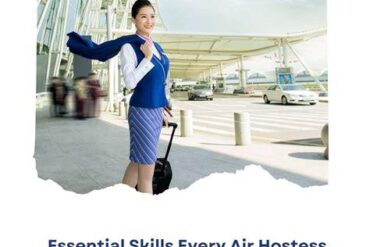
The changing passenger mix has quietly transformed the role of flight attendants in premium cabins.
Traditionally, business-class service focused on efficiency. Frequent travelers already knew how the seats worked, when meals would arrive, and what amenities were available. Cabin crew could operate with minimal explanation because passengers understood the premium environment instinctively.
Today, first-time premium travelers often require far more guidance.
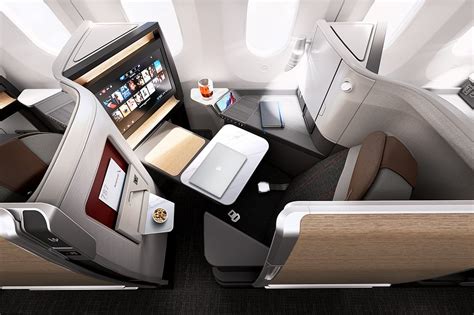
Flight attendants increasingly act as instructors, helping passengers navigate complicated seat controls, locate hidden storage compartments, convert seats into beds, and understand dine-on-demand systems. Modern business-class suites resemble miniature hotel rooms more than traditional airline seats, complete with privacy doors, touchscreen panels, mood lighting, wireless charging pads, and multi-position recline functions.
For inexperienced passengers, the learning curve can feel overwhelming.
Some travelers hesitate to touch controls for fear of breaking something. Others accidentally deploy tray tables incorrectly or struggle to locate power outlets hidden within side compartments. Cabin crew frequently spend additional time explaining which drinks are complimentary, how lounge access works during connections, and even when pajamas should be changed before sleeping.
This evolution has turned cabin crew into brand ambassadors as much as hospitality professionals.
Airlines understand that a passenger’s first business-class experience can determine future spending habits. Exceptional service encourages repeat bookings. Confusing or intimidating experiences risk alienating newcomers who may never return to premium cabins again.
As business-class cabins continue expanding across airline fleets, these responsibilities grow even more demanding. Modern aircraft increasingly dedicate large portions of cabin space to premium seating because the profit margins are significantly stronger than economy class.
That means cabin crew now manage larger premium cabins filled with passengers possessing vastly different expectations and experience levels.
How Cabin Crew Instantly Spot First-Time Business Class Flyers
Experienced flight attendants often identify first-time premium passengers within moments of boarding.
One of the clearest signs is overdressing.
New business-class travelers frequently assume premium cabins require formal attire, leading some passengers to board long-haul flights wearing stiff suits, dress shoes, or uncomfortable luxury outfits. Seasoned premium travelers tend to prioritize comfort instead, often dressing casually in soft clothing suitable for sleeping.
Veteran travelers understand that true luxury lies in arriving rested, not impressing strangers with formalwear at cruising altitude.
Another giveaway involves passenger behavior around the seat itself.
Modern business-class suites can be surprisingly complicated. First-time flyers often examine every button cautiously, testing recline functions repeatedly or searching for hidden compartments with visible confusion. Deploying tray tables sometimes becomes an accidental puzzle worthy of an engineering degree.
Cabin crew also notice differences in how passengers approach inflight service.
New premium travelers often attempt to maximize every included perk. They may order multiple drinks, sample every menu option, request repeated snacks, or remain awake for the entire flight to fully experience the service.
Frequent business-class passengers usually behave very differently. Many skip meals entirely, request bedding immediately after takeoff, and prioritize uninterrupted sleep over elaborate dining.
Then there is the photography.
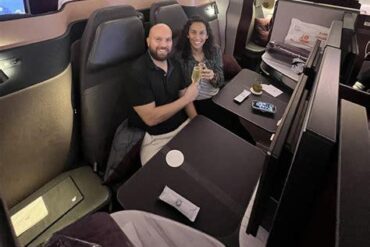
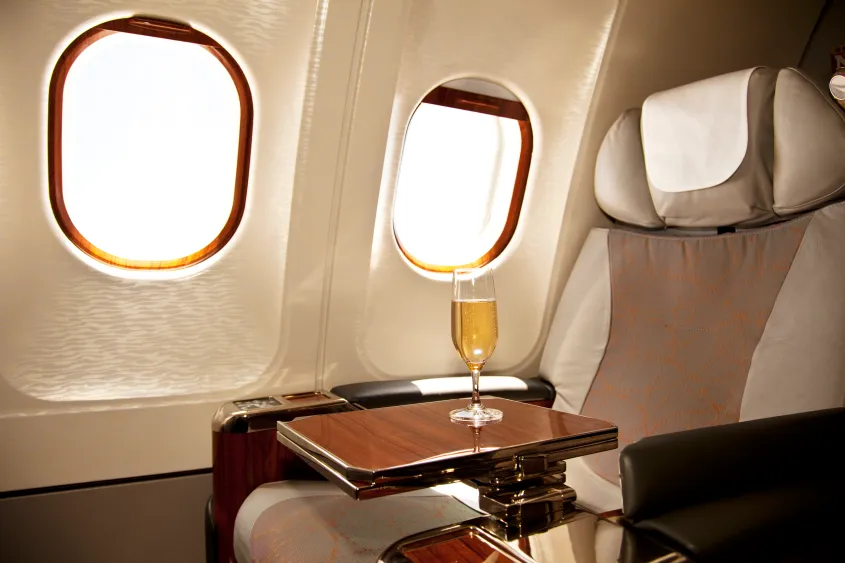
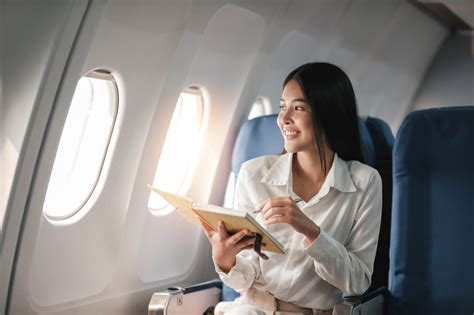
Social media transformed premium cabins into highly documented spaces. First-time business-class passengers frequently photograph champagne glasses, amenity kits, window views, menus, and seat controls before departure. Some film complete cabin walkthroughs for TikTok or Instagram.
Cabin crew generally understand the excitement. After all, many travelers saved for years or redeemed enormous amounts of loyalty points to access the experience. Still, experienced premium flyers rarely feel compelled to document every detail because business class has become routine rather than extraordinary.
Airlines Are Escalating The Premium Cabin Arms Race
The leisure-travel boom triggered fierce competition among airlines to create increasingly luxurious business-class products.
Today’s premium cabins bear little resemblance to the recliner-style business seats common two decades ago. Airlines now compete through privacy, exclusivity, technology, and wellness-focused comfort.
Singapore Airlines remains one of the strongest examples of premium innovation. Its long-haul Boeing 777 business-class suites feature fully flat beds, spacious 1-2-1 seating layouts, and multiple lounging positions designed specifically for long-duration comfort. The carrier consistently ranks among the world’s best premium experiences because it combines hardware excellence with polished service.
Middle Eastern giants like Emirates and Qatar Airways elevated passenger expectations even further through onboard bars, private suites, and luxury hotel-inspired amenities.
Meanwhile, US carriers aggressively upgraded their international products after years of criticism.
Delta One suites introduced sliding privacy doors, premium bedding partnerships, and enhanced lounge experiences targeting travelers seeking boutique-hotel levels of comfort. United Polaris similarly transformed the airline’s premium reputation through redesigned cabins emphasizing sleep quality and understated luxury.
The competition extends beyond the seat itself.
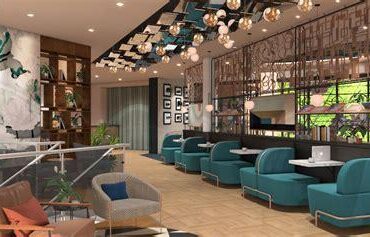
Airport lounges have become major battlegrounds. Airlines increasingly recognize that premium passengers evaluate the entire journey, not merely the flight duration. Seasonal restaurant-quality menus, spa-style showers, cocktail bars, and quiet workspaces now play critical roles in attracting high-paying travelers.
For leisure passengers especially, the airport experience contributes heavily to the emotional value of flying business class.
Why The Future Of Business Class Looks Very Different
The evolution of premium travel reflects broader cultural and economic changes.
Consumers increasingly spend money on experiences rather than possessions. Luxury travel occupies a powerful emotional space because it combines comfort, status, convenience, and personal reward. A lie-flat seat to Europe is no longer viewed solely as practical transportation. For many travelers, it represents self-care, celebration, or once-in-a-lifetime indulgence.
Airlines fully understand this psychology.
That is why carriers continue investing heavily in premium products even as economy cabins grow denser. Premium passengers generate disproportionately high revenue, and leisure travelers are proving surprisingly willing to pay for comfort when the experience feels worthwhile.
Cabin crew stand at the center of this transition.
They witness firsthand how premium cabins are becoming more diverse, more emotional, and more experience-driven. The quiet executive reading spreadsheets has not disappeared entirely, but now shares cabin space with honeymoon couples documenting every course of dinner service, retirees crossing oceans in comfort for the first time, and points-savvy travelers finally redeeming years of accumulated rewards.
Business class is no longer reserved for hardened road warriors who practically live in airports.
It has evolved into something broader: a modern luxury experience accessible to far more people than ever before. And somewhere between the champagne service, fully flat beds, and social media photos, aviation’s most exclusive cabin quietly became mainstream aspiration.