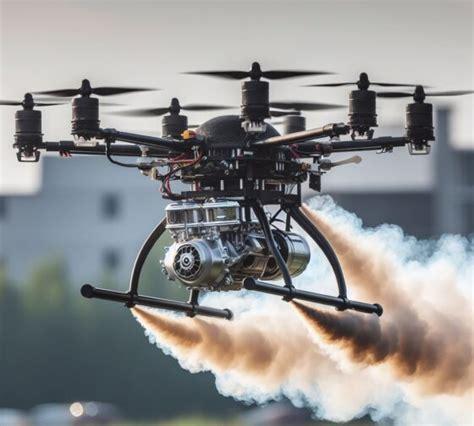
As the wars in Ukraine and the Middle East reshape the modern battlefield, the US Army is watching with intense scrutiny. The accelerating pace of drone warfare has ushered in a new era of conflict, one where small, inexpensive, and highly adaptable uncrewed aerial systems (UAS) are shifting the balance of power. According to Colonel Glenn Henke, the commandant of the Army’s Air Defense Artillery School, this transformation is only just beginning.
The Ukraine war, in particular, has revealed a staggering evolution in the use of drones. From short-range First Person View (FPV) kamikaze drones to sophisticated reconnaissance platforms, both Ukrainian and Russian forces have deployed thousands of units across air, land, and sea. What was once considered supplementary technology is now central to strategic operations.
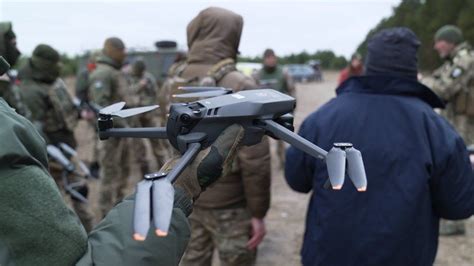
“We’re seeing the technology advance faster,” Henke explained, noting not just the hardware improvements but also the tactical innovations behind their use. “The evolution of how it’s being employed is happening very quickly. I don’t think any of us believe that we’ve seen the plateauing of what is in the realm of the possible.”
Drone Warfare: A Revolutionary Shift in Combat Doctrine
From targeted assassinations to large-scale swarm attacks, drones are no longer a futuristic abstraction. In the Middle East, UAS platforms have been deployed not only by nation-states like Iran and Israel, but also by proxy militias from Yemen to Lebanon. These systems now range from $500 commercial quadcopters modified for frontline use to advanced loitering munitions with extended range and autonomous navigation.
In one stark example, American warships in the Red Sea have faced sustained drone assaults, engaging targets in real-time with high-powered interceptors and electromagnetic countermeasures. These maritime encounters underscore just how pervasive and unpredictable the threat has become.
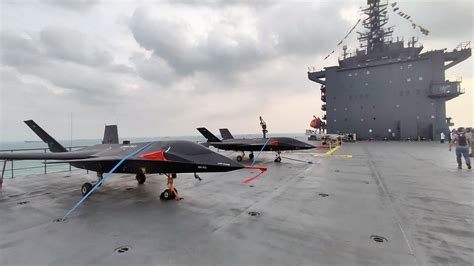
The Front End of a Military Revolution
According to Henke, the present moment is just the threshold of a new military era. “The platforms are becoming much more capable, much more lethal,” he said. “The defenses that work one day may not be as effective the next.” This ongoing arms race between drone development and counter-drone strategies is a central concern for the Pentagon.
One of the most sobering incidents occurred in January 2024, when an Iran-backed group used a drone to strike Tower 22, a remote US military outpost in Jordan. Despite robust countermeasures, the attack killed three soldiers and wounded dozens more. This tragic breach emphasized not only the lethality of drones but also the limits of current defensive systems.
The US Army’s Joint C-sUAS University: Training for Tomorrow’s Battles
In response, the US Army is expanding its investment in drone defense training. At Fort Sill, Oklahoma, Henke oversees the Joint C-sUAS (Counter-small Unmanned Aircraft Systems) University, where American troops are learning to detect, track, and defeat hostile drones.
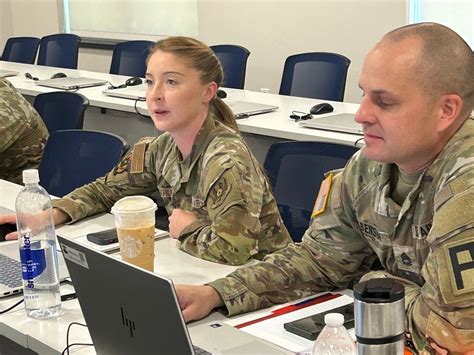
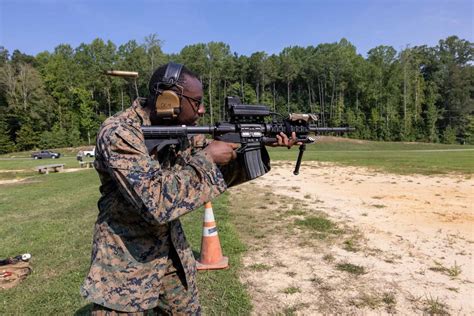
The University forms a cornerstone of a broader doctrine shift in how the Army handles asymmetric aerial threats. Soldiers are drilled not only on traditional kinetic solutions like Smart Shooter rifles that can lock on to moving drones, but also on non-kinetic methods, including the Dronebuster handheld jammer that uses radio frequency interference to neutralize targets mid-flight.
Command and Control: The Critical Battleground
A key lesson emerging from global drone warfare is the importance of streamlined command and control (C2) systems. “One of the enduring lessons we’ve seen in many cases is focusing on the command-and-control aspects of this and bringing all of this into a single C2,” said Henke.
The Army’s next-generation C2 initiative aims to integrate diverse defense platforms into a unified interface, described as a “single pane of glass” solution. This consolidation would allow for quicker response times, better situational awareness, and efficient deployment of multiple countermeasures across varying threat levels.
Layered Defense: From Divisions to Individual Soldiers
As drone threats become increasingly diverse, the Army is distributing countermeasures across all echelons of deployment. At the division level, the Low, Slow, Small Unmanned Aircraft Integrated Defeat System (LIDS) is being deployed in both mobile and stationary formats. LIDS offers radar, electro-optical sensors, and directed energy weapons that can intercept larger, higher-end threats.
For platoon and squad levels, lighter options like Smart Shooter optics and handheld jammers are being tested and distributed. These tools empower foot soldiers to engage drones without depending on centralized systems.
Henke emphasizes the importance of agile procurement. “It’s not reasonable for me to figure out what I’m going to buy three years from now, knowing how quickly this technology is moving,” he noted. Flexible funding and accelerated R&D channels will be critical to ensuring the military can respond in real-time to evolving threats.
Pentagon’s National Counter-Drone Strategy: A Necessary Pivot
In late 2023, the Pentagon released a national counterdrone strategy, emphasizing an urgent pivot in US defense posture. “These cheap systems are increasingly changing the battlefield, threatening US installations, and wounding or killing our troops,” then-Defense Secretary Lloyd Austin remarked.
The strategy focuses on three core pillars:
- Detecting and tracking drones across diverse terrains and signal environments.
- Defeating drones using both kinetic and non-kinetic means.
- Integrating counter-UAS efforts across all branches and allied forces.
This strategic framework is designed to be modular and scalable, capable of adapting to threats posed by lone actors with commercial drones as well as state-sponsored drone swarms.
Conclusion: Preparedness in the Age of Uncrewed Warfare
The US military is now confronting a paradigm where aerial supremacy cannot be taken for granted. The rapid proliferation of uncrewed systems—from modified DJI drones to Iranian Shahed-136 loitering munitions—requires more than just reactionary measures.
Colonel Henke and the institutions under his direction represent the front lines of adaptation. Through rigorous training, flexible procurement, and consolidated command systems, the Army aims to stay one step ahead of an enemy that is increasingly invisible, mobile, and autonomous.
“We still think it’s sort of ahead of us,” Henke said. And indeed, if the evolving nature of drone warfare in Ukraine and the Middle East is any indicator, the US military is only beginning to grapple with the full implications of a battlefield defined by lethal autonomy and real-time innovation.