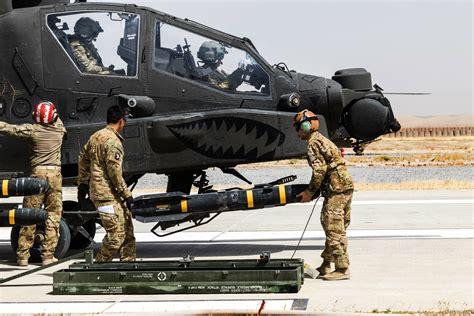
The AGM-114 Hellfire missile has become one of the most recognized symbols of precision strike capability across the global defense sector. Developed initially during the Cold War, this formidable weapon is now a staple in the arsenals of the U.S. military, NATO forces, and allied nations worldwide. But with cutting-edge technology comes a steep price, and understanding the true cost of a Hellfire missile requires more than just looking at the sticker price.
First introduced in 1989, the Hellfire missile was designed to provide air-to-ground firepower, primarily for anti-armor operations. Its evolution, however, has seen the system adapted for multiple platforms, including helicopters, drones, ships, and fixed ground positions, making it one of the most flexible tools in modern warfare.
Today, the Hellfire missile stands as a symbol of technological sophistication, but behind its devastating performance lies a complex pricing structure, influenced by variant types, international sales, and the extensive support ecosystem bundled with every transaction.
The Base Price of a Hellfire Missile: What the Numbers Reveal
Pinning down the exact price of a Hellfire missile isn’t straightforward, primarily because costs fluctuate based on the variant, buyer, and associated support services. However, publicly accessible data provides a solid estimate.
According to an extensive review by The Defense Post, based on all Hellfire II missile sales to foreign nations from 2010 onward, the cost per unit ranges between $130,000 and $160,000. This range covers basic procurement, excluding additional expenses tied to training, support, and integration.
But for domestic buyers, such as branches of the U.S. military, the price varies even further. A 2020 report by The War Zone revealed:
- U.S. Marine Corps/Navy average price per Hellfire: $45,409
- U.S. Air Force average price per Hellfire: $70,000
- U.S. Army average price per Hellfire: $213,143
These discrepancies are influenced by contract terms, quantity discounts, and the specific missile configurations purchased. For instance, overseas contingency operations and bulk orders often reduce the effective per-unit cost significantly.
International Sales: Beyond Just the Missile
Foreign military sales of the Hellfire missile rarely involve the delivery of missiles alone. Nations acquiring this weapon system are also purchasing an extensive logistical and operational support package designed to ensure seamless integration with their defense infrastructure.
Take the 2015 Lebanese order, for example. Lebanon procured 1,000 Hellfire II missiles at a total cost of $146 million. However, the deal included more than just missiles. The purchase encompassed spare parts, repair and return services, technical manuals, support equipment, and personnel training — all vital for operational readiness.
Similarly, in February 2025, the U.S. authorized a major sale of 3,000 Hellfire missiles to Israel, valued at $600 million. Defense Industry Europe reported that this deal covered:
- Missile integration within Israel’s air platforms
- Software and engineering support
- Spare components
- Advanced testing equipment
- Personnel training and logistical assistance
Such comprehensive packages reflect the reality that purchasing a high-end weapon like the Hellfire is as much about system compatibility and long-term sustainability as it is about immediate firepower.
Variants of the Hellfire Missile: Expanding Capabilities, Increasing Costs
Over the decades, the Hellfire family has expanded significantly. From the original AGM-114A introduced during Operation Just Cause in Panama, the platform has evolved into numerous versions, each with enhanced features tailored for specific mission profiles.
The most prominent variants include:
- Hellfire II (AGM-114K/M/N/R): Improved guidance systems, enhanced warheads, and increased versatility.
- AGM-114L Longbow Hellfire: Radar-guided, enabling “fire-and-forget” capability ideal for poor visibility conditions.
- AGM-114R Romeo variant: Multi-mission flexibility, capable of engaging soft targets, armored vehicles, and fortified positions.
With these upgrades come increased costs. Variants with sophisticated laser targeting, radar homing, or advanced propulsion systems command higher prices. The integration of these technologies explains why Army-grade Hellfires can exceed $213,000 per unit, while other branches procure them for significantly less.
Moreover, different variants offer unique combat advantages. The Longbow Hellfire, for instance, allows pilots to lock onto targets without maintaining visual contact, dramatically improving survivability and operational efficiency in contested environments.
Global Users and Combat Platforms: Flexibility at a Price
The Hellfire missile’s adaptability has made it a cornerstone for military forces beyond the U.S. Notably, nations such as Australia, Norway, and Israel have integrated Hellfires into their defense systems, leveraging its versatility across a broad range of platforms.
Australia was the first non-U.S. military to equip its Eurocopter Tiger attack helicopters with Hellfire II missiles, bolstering its aerial combat capabilities. Meanwhile, Norway has deployed Hellfire missiles on coastal tripods, enhancing its defensive perimeter.
The missile’s wide deployment extends to:
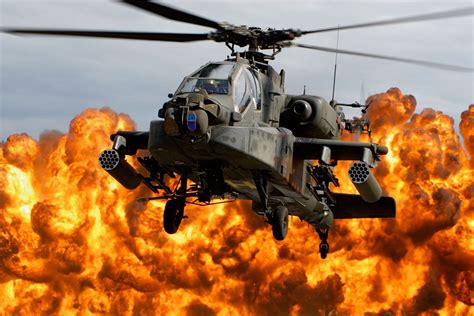
- AH-64 Apache helicopters
- AH-1W Super Cobra helicopters
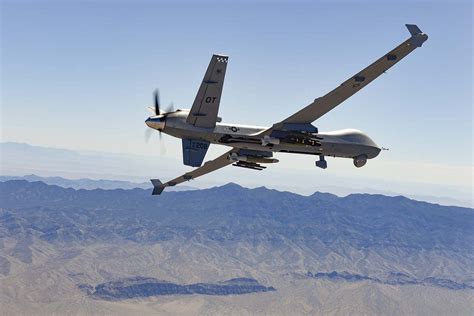
- MQ-9 Reaper drones
- Various ground-based and naval platforms
Such deployment flexibility adds to the Hellfire’s allure but also increases total system costs. Integration requires tailored mounting systems, software adjustments, and personnel retraining, all contributing to the overall expenditure beyond the missile’s base price.
Why Hellfire Missiles Command Premium Prices
Hellfire missiles aren’t just expensive because of their advanced guidance systems or explosive payloads. Their true value lies in the precision, reliability, and operational advantages they provide on the battlefield.
Key cost drivers include:
- Laser-guided targeting systems: Ensuring pinpoint accuracy against moving targets.
- Radar-guided Longbow variants: Providing “fire-and-forget” functionality.
- Modular warhead designs: Allowing mission-specific payloads, including anti-tank, bunker-busting, and anti-personnel configurations.
- High survivability rates for launch platforms: Enhanced safety for pilots and operators in combat zones.
Despite the high unit costs, militaries prioritize the Hellfire for precision strikes where collateral damage must be minimized. Its performance in urban warfare, asymmetric conflicts, and targeted eliminations outweighs the steep price for many defense planners.
Conclusion: An Expensive but Indispensable Arsenal Component
While the average cost of a Hellfire missile can vary widely — from around $45,000 for basic versions to over $213,000 for advanced Army configurations — the reality is that these missiles represent more than mere hardware. Every sale includes a complex network of logistical, technical, and operational support necessary to maintain peak performance.
With global instability and evolving military threats, the demand for high-precision, versatile weaponry like the Hellfire missile remains high. Whether mounted on drones, helicopters, or ground launchers, its presence on the modern battlefield underscores both the escalating costs of warfare and the ever-growing emphasis on targeted, efficient strike capabilities.
The true cost of a Hellfire missile, therefore, isn’t just measured in dollars — it’s measured in the strategic advantage and operational superiority it brings to those who wield it.