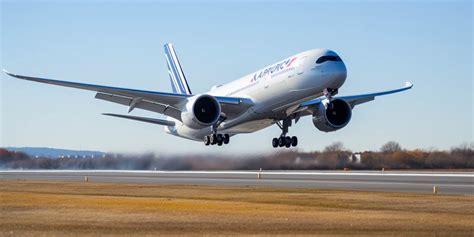
The Airbus A350 stands as one of the most technologically advanced widebody aircraft in the world today. It represents a culmination of engineering excellence, sustainability-conscious design, and operational efficiency that sets it apart from many of its predecessors and rivals. However, with innovation and capability comes a significant financial cost. In this article, we delve into the actual cost of acquiring, leasing, and operating the Airbus A350, including its variants, engines, and overall lifecycle expenses.
The A350: Airbus’ Crown Jewel in the Sky
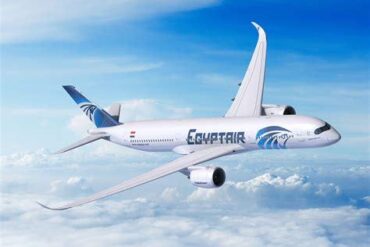
Developed at a cost of around $15 billion, the Airbus A350 project was a strategic response to Boeing’s 787 Dreamliner and 777 series. It has since become a flagship aircraft for Airbus, competing head-to-head in the long-haul widebody market. The A350 is not only a commercial success, with over 1,300 orders as of January 2025, but it has also pushed the boundaries of efficiency and range.
The A350 family includes two primary variants:
- A350-900: A versatile aircraft capable of flying up to 300 passengers over 15,000 km (8,100 nautical miles).
- A350-1000: A larger version that can carry up to 410 passengers and offers slightly extended range and performance.
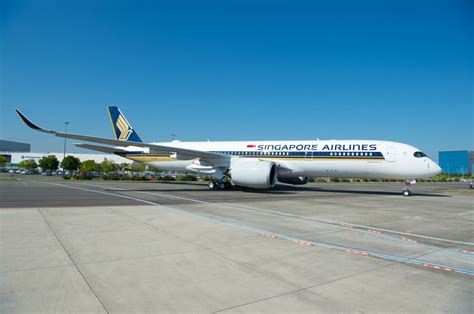
There’s also the A350-900ULR, which holds the title of the longest-range commercial aircraft globally, used famously by Singapore Airlines for non-stop flights from Singapore to New York.
A Closer Look at the Airbus A350 Purchase Price
The cost of purchasing an Airbus A350 is a complex figure influenced by numerous variables, including configuration, order volume, optional equipment, and inflation. Historically, the list prices have hovered around:
- A350-900: Approximately $308 million
- A350-1000: Roughly $356 million
While these numbers already represent a major investment, they often exclude auxiliary costs such as interior customizations, navigation systems, in-flight entertainment, and customer-specific modifications.
To offer a better understanding of these prices in context:
| Aircraft Model | Estimated Market Price |
|---|---|
| Airbus A350-900 | $308 million |
| Airbus A350-1000 | $356 million |
| Boeing 787-10 | $338 million |
| Boeing 777-300ER | $375 million |
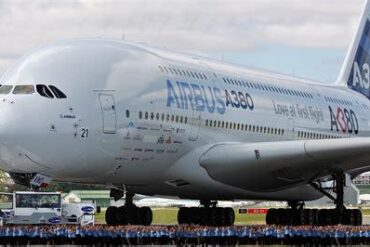
| Airbus A380 | $412 million |
The price tags for widebody aircraft such as the A350 are generally higher due to their global range, larger passenger capacity, and increased engineering complexity.
What Drives the High Price of the A350?
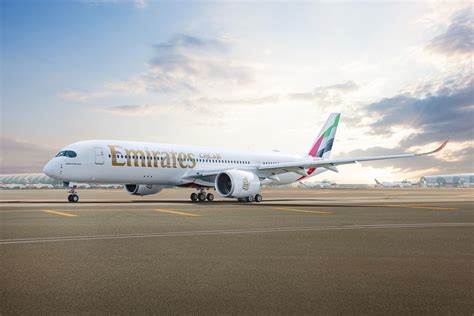
One of the most significant components of the Airbus A350’s price is its powerplant. The aircraft is powered exclusively by the Rolls-Royce Trent XWB engine, with each engine costing between $25 million and $35 million. These engines are optimized for long-haul performance, offering high fuel efficiency and reduced emissions.
The airframe itself is made from 53% composite materials, primarily carbon fiber-reinforced polymer, reducing the aircraft’s weight and enhancing durability. Advanced avionics, fly-by-wire controls, and aerodynamically efficient wingtips all contribute to the overall cost.
Leasing the Airbus A350: An Alternative to Purchase
Not all airlines purchase aircraft outright. In fact, the majority opt for leasing arrangements to maintain fleet flexibility and reduce capital outlay. According to current market trends:
- New A350-900 Lease Rate: ~$1.14 million/month
- New Boeing 787-9 Lease Rate: ~$1.05 million/month
This makes the A350-900 more expensive to lease than its closest Boeing competitor, but many operators believe the added cost is justified by the A350’s performance and reliability.
In contrast, older generation aircraft like the 12-year-old Boeing 777-300ER and A330-300 lease for around $450,000/month and $330,000/month, respectively. This reflects both technological improvements and the scarcity of new aircraft deliveries due to global supply chain bottlenecks.
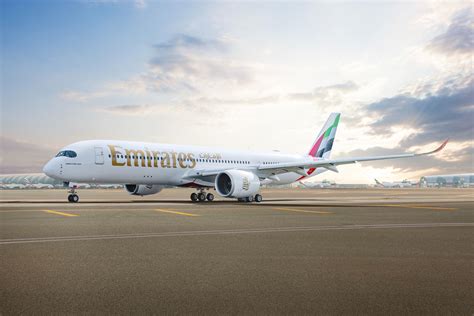
Operational Efficiency: Where the A350 Shines
The true value of the Airbus A350 extends beyond acquisition. Its operational costs are significantly lower than older-generation aircraft. Airbus claims the A350 offers:
- 25% lower fuel burn
- 34.8% range improvement over the 777-200
- 25% reduction in maintenance costs
Based on 2021 data, the A350-900 costs approximately $22.81 per seat hour. When factoring in labor, maintenance, fuel, and airport fees, this places it among the most cost-effective widebody jets in the industry.
The A350-1000, for example, burns 6.03 kg/km of fuel and achieves approximately 2.39 L/100km per passenger, positioning it favorably against the Boeing 787-10 Dreamliner, with similar performance metrics.
Demand Surge and Value Retention
As of early 2025, Airbus has delivered over 640 A350 units with an equal number in the order backlog. Demand for the A350 continues to grow, especially among long-haul international carriers such as Qatar Airways, Lufthansa, Singapore Airlines, and British Airways.
IBA, a respected aviation intelligence firm, notes that the A350-900 has shown strong market value retention, outperforming many rivals in terms of residual value. As midlife aircraft values rise due to tight supply and rising demand, the A350 remains a coveted asset for both operators and lessors.
A350 vs. Military Aircraft: A Surprising Comparison
To illustrate the massive investment required for an Airbus A350, consider its cost relative to military aircraft:
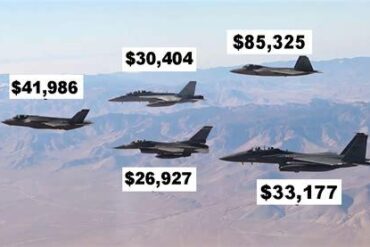
- F-35 Lightning II Fighter Jet: $88M – $120M
- B-21 Raider Stealth Bomber: ~$700M
- Air Force One Replacement (VC-25B): ~$3B each
- E-4B “Doomsday Plane” Replacement: ~$4.2B each
For the cost of a single A350-900, a defense budget could buy three F-35s. Two A350s equate to the cost of one B-21 Raider. While the use cases differ entirely, the comparison underscores the financial weight of large commercial aircraft.
The Future Outlook for the Airbus A350
Looking ahead, the A350 is poised to remain at the forefront of sustainable long-haul aviation. Airbus continues to evolve the aircraft with upgraded systems, improved cabin experiences, and even hydrogen-powered concept versions under study.
The rising importance of ultra-long-haul travel—especially post-pandemic as airlines seek direct city pairs with reduced transfers—positions the A350-900ULR as a strategic asset. With increasing fuel prices and environmental scrutiny, the A350’s composite structure, advanced engines, and long-range capability offer tangible operational advantages.
Conclusion: Is the Airbus A350 Worth the Cost?
The Airbus A350 comes with a hefty price tag, whether bought outright or leased. But its superior efficiency, range, durability, and reduced operational costs justify the investment for many airlines looking to modernize their fleets. As aviation evolves, aircraft like the A350 will play a crucial role in shaping the future of long-haul, eco-conscious travel.
Whether it’s the cutting-edge Rolls-Royce Trent XWB engines, the carbon composite fuselage, or the ETOPS-370 rating allowing it to fly nearly anywhere on Earth, the A350 continues to prove that it’s not just another aircraft—it’s a statement of innovation and intent in the skies.