The Legacy and Definition of Wide Body Aircraft
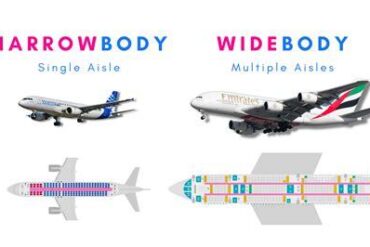
Wide body aircraft—also known as twin-aisle aircraft—represent a category of airplanes designed for long-haul flights, offering greater passenger capacity, cargo volume, and range compared to narrow-body aircraft. These jets, typically featuring two aisles and a fuselage diameter exceeding 16 feet, have revolutionized global air travel since their introduction in the 1970s.
For carriers like American Airlines, wide body aircraft have served as strategic assets, enabling expansion into transcontinental and intercontinental markets. The airline’s investment in widebody technology not only facilitated operational scale but also aligned with broader aviation trends focused on fuel efficiency, range extension, and cabin comfort.
American Airlines and the Boeing 747 Era
American Airlines’ relationship with the Boeing 747 was brief but historically significant. Introduced in the early 1970s, the Boeing 747-100 offered an unprecedented leap in aircraft range and capacity. Known globally as the “Queen of the Skies,” the aircraft marked a paradigm shift in passenger expectations with innovations such as inflight piano bars and spacious cabins.
Despite the allure, the 747’s high operating costs clashed with American’s route structure. The aircraft consumed enormous quantities of fuel, a liability that became acute during the 1973 oil crisis. Consequently, American Airlines phased out the Boeing 747 by the early 1980s, opting for more practical widebody alternatives.

Transition to Efficiency: The DC-10 and Boeing 767
In the wake of the 747’s retirement, American Airlines turned to the McDonnell Douglas DC-10 and the Boeing 767. These aircraft allowed the airline to maintain widebody benefits while significantly reducing fuel costs and maximizing route flexibility.
The DC-10, introduced in the early 1970s, became a backbone of American’s transcontinental service. With a three-engine design and capacity for over 250 passengers, the DC-10 offered operational reliability and competitive cost structures. American Airlines was the launch customer, highlighting the carrier’s deep involvement in shaping early widebody adoption.
The subsequent arrival of the Boeing 767-200 in 1982—and later the 767-300ER in 1988—marked a technological leap. These aircraft featured twin-engine efficiency and ETOPS (Extended-range Twin-engine Operational Performance Standards) certification, enabling long-haul flights over water and low-demand international routes. American Airlines capitalized on these capabilities to launch direct flights from secondary hubs to European destinations.
Airbus in the Fleet: A300 and A330 Operations
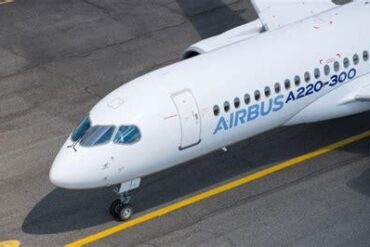
American Airlines’ experience with Airbus widebody aircraft was shaped largely through acquisitions and mergers. The Airbus A300 entered service with the carrier in 1988 following a merger with Eastern Air Lines. The A300 proved useful on high-density domestic routes and services to Latin America. However, due to advancing fuel standards and maintenance costs, it was fully retired by 2009.
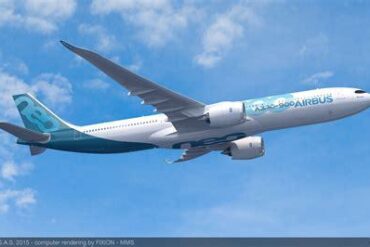
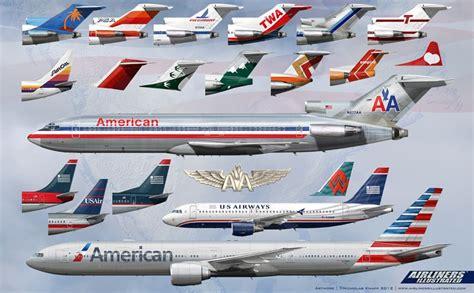
Later, the merger with US Airways brought the Airbus A330 into the mainline fleet. Although capable and reliable, the A330s were gradually phased out after the 2013 brand consolidation. By the pandemic’s onset, American Airlines had fully transitioned away from Airbus widebodies, concentrating its long-haul strategy around Boeing jets.
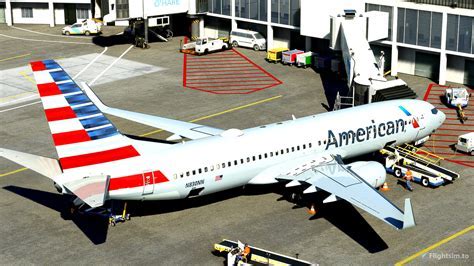
The MD-11 Interlude: Promise and Disappointment
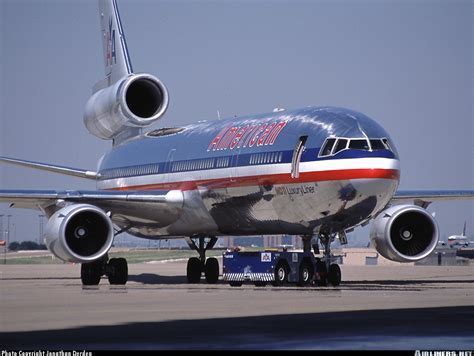
The McDonnell Douglas MD-11, intended as the DC-10’s successor, was a modern tri-jet that promised enhanced range and payload. American Airlines took delivery of 19 MD-11s in the early 1990s. These aircraft were deployed on premium international routes, including flights to Asia and Europe.
However, the MD-11 soon revealed significant shortcomings, particularly in fuel efficiency and performance shortfalls on long-haul sectors. By 1995, American Airlines decided to sell all of its MD-11s to FedEx, where they found a second life as freighters. The short-lived tenure of the MD-11 underscored the airline’s shifting focus toward twin-engine jets, which offered superior economics.
The Modern Era: Boeing 777 and Boeing 787 Dominance
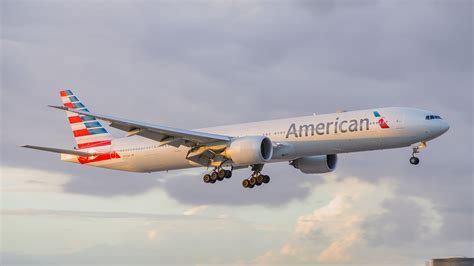
As of 2025, American Airlines’ widebody fleet consists exclusively of Boeing aircraft, prominently the Boeing 777 and Boeing 787 Dreamliner families. These models represent the culmination of decades of evolution in widebody aircraft design.
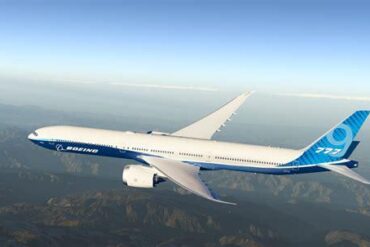
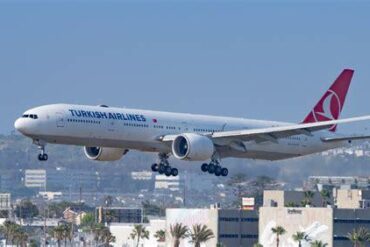
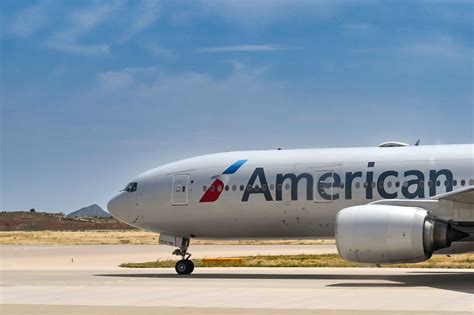
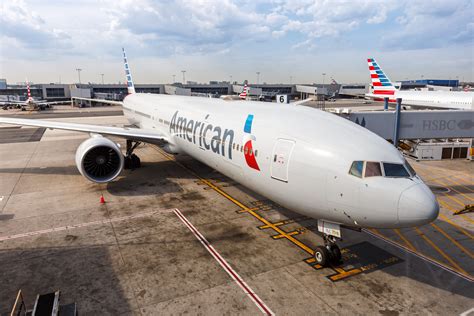
The Boeing 777, particularly the -200ER and -300ER variants, offers high-capacity, long-range performance suited for transpacific and transatlantic routes. With twin GE90 engines and large cabin layouts, the 777 became American’s workhorse for high-volume international service.
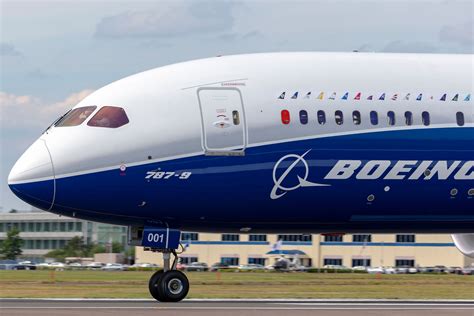
Meanwhile, the Boeing 787, introduced to American in 2015, embodies the next generation of fuel efficiency, composite materials, and passenger comfort. The 787-8 and 787-9 models in American’s fleet serve a range of global destinations with improved range and 20% better fuel burn than previous-generation aircraft. The aircraft’s higher humidity, lower cabin altitude, and larger windows contribute to a superior inflight experience.
Fleet Management and Widebody Strategy
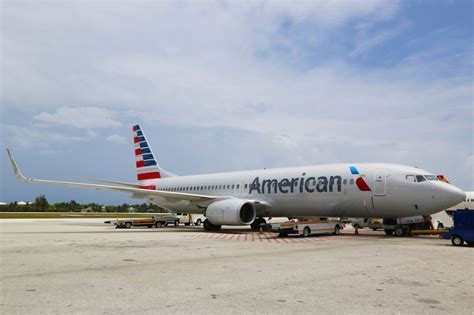
American Airlines manages a complex fleet modernization and retirement program aimed at reducing emissions, standardizing operations, and maintaining flexibility. The average age of its mainline fleet stood at 13.8 years as of December 2024, with an ongoing procurement strategy targeting newer Boeing widebody models.
Current widebody operations revolve around:
-
Boeing 777-200ER / 777-300ER for high-demand, long-range routes
-
Boeing 787-8 / 787-9 for medium-to-long-haul flexibility and lower operational costs
The airline has also placed future orders for Boom Supersonic Overture jets, though these fall outside the widebody classification and remain speculative at the time of writing.
Retired Widebody Legends of the Past
Over the years, American Airlines has operated and retired multiple iconic widebody models, including:
-
Boeing 747-100
-
McDonnell Douglas DC-10
-
McDonnell Douglas MD-11
-
Boeing 767-200 / 767-300ER
-
Airbus A300 and A330 variants
Each of these aircraft played a pivotal role in shaping the airline’s transoceanic and high-capacity domestic strategy. They helped American Airlines evolve into one of the most globally connected full-service carriers, with a reputation for pioneering long-haul passenger services.
Wide Body Aircraft in the American Airlines Network
American’s global route map depends heavily on the capabilities of its widebody fleet. From primary hubs such as Dallas/Fort Worth (DFW), Miami (MIA), and Chicago O’Hare (ORD), widebody aircraft connect passengers to Europe, Asia, and Latin America.
These aircraft are also strategically utilized for:
-
Seasonal service expansions during peak travel periods
-
International flagship routes requiring premium cabin offerings
-
Cargo uplift opportunities due to larger underbelly storage
With more than 980 mainline jets, of which a significant portion are widebodies, American Airlines holds a key position among the top three airlines worldwide by fleet size. Its dominance in long-haul markets reflects both historical depth and future ambition.
Conclusion
Wide body aircraft are central to American Airlines’ legacy and operational blueprint. From the glamour of the Boeing 747 to the modern efficiency of the Boeing 787, each model tells a story of innovation, adaptation, and global reach. As the airline continues to refine its fleet strategy in the face of environmental, economic, and technological shifts, widebody jets will remain at the heart of its international presence and brand identity.
FAQ
What is considered a wide body aircraft?
A wide body aircraft is typically defined by its twin-aisle cabin and fuselage width of more than 16 feet. These aircraft can accommodate 200 to 850 passengers, depending on configuration, and are primarily used for long-haul and high-capacity routes.
Why did American Airlines stop flying the Boeing 747?
American Airlines retired the Boeing 747 due to its high fuel consumption and mismatch with the airline’s route demands. It was quickly replaced by more efficient models like the DC-10 and Boeing 767, which better aligned with economic and operational objectives.
Which widebody aircraft does American Airlines fly today?
As of 2025, American Airlines operates a widebody fleet consisting of Boeing 777-200ER, Boeing 777-300ER, Boeing 787-8, and Boeing 787-9. These aircraft are used for long-haul international flights, offering enhanced fuel efficiency and passenger comfort.