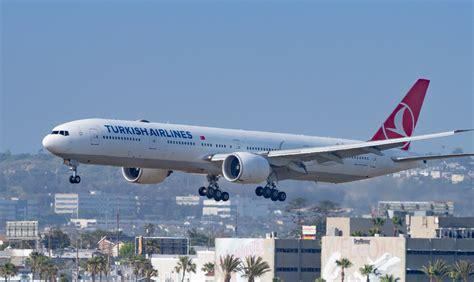
On July 13, a routine flight from Istanbul to San Francisco encountered a tragic and puzzling situation when a passenger aboard Turkish Airlines flight TK79 suffered a sudden medical emergency over Greenland. The flight was progressing smoothly until the distressing news broke that the passenger had tragically passed away. However, what unfolded afterward has left many in shock: despite extensive efforts by airline and airport authorities, the body of the deceased passenger has yet to be located.
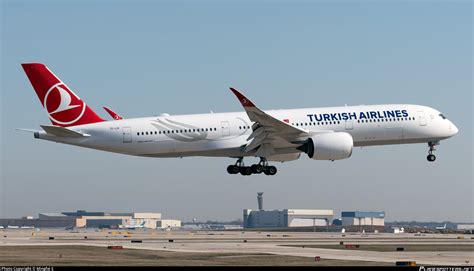
The Airbus A350-941, a modern aircraft known for its efficiency and comfort, was en route to San Francisco when the emergency situation developed. The flight crew, trained to handle such crises, promptly diverted the aircraft to Chicago O’Hare International Airport, where they anticipated that medical professionals would intervene. Unfortunately, the situation took an even more perplexing turn as airport officials and the airline’s staff struggled to confirm the whereabouts of the deceased passenger’s body.
Adding to the urgency of the situation is the confirmation from the Chicago Medical Examiner’s office that they had not been notified of any death associated with this flight, nor had they received a body fitting the description of the incident. This disconnect between the airline and medical authorities has raised serious questions about the protocols followed during emergencies on international flights. Ertugrul Gulsen, the Turkish Airlines station manager in the U.S., confirmed the passenger’s death, but the subsequent confusion has left both authorities and the airline grappling for answers.
This disconcerting incident has significant implications for both business and leisure travelers. For those in the corporate world, the disruption serves as a sobering reminder of the unpredictability inherent in air travel. Given that Turkish Airlines is a major carrier for numerous business routes across Europe, the incident raises concerns about airlines’ preparedness to handle medical emergencies. Business professionals, who often rely heavily on the efficiency and reliability of international flights, may now question whether airlines are adequately equipped to manage unforeseen events such as these.
For tourists traveling to or from destinations like Istanbul, San Francisco, or Chicago, this incident highlights the unpredictable nature of long-haul flights. It underscores the importance of being prepared for unexpected situations that can arise at any moment during air travel.
Tips for Travelers: How to Stay Safe During Long-Haul Flights
Long-haul flights, while essential for crossing vast distances, do carry certain risks that travelers should be aware of. Here are some practical tips to help ensure safety and preparedness during your journey:
- Stay Hydrated: Prolonged flights can lead to dehydration, exacerbating pre-existing health conditions. Drinking plenty of water is essential.
- Get Up and Move: Sitting for extended periods can increase the risk of blood clots. Aim to take short walks or stretch your legs whenever possible.
- Know Your Emergency Procedures: Familiarizing yourself with emergency protocols before boarding can be beneficial. Know where the nearest exit is and stay informed about the location of medical kits.
- Travel Insurance: Consider acquiring travel insurance that covers medical emergencies, which can alleviate stress during unexpected situations.
- Health Check Before Departure: Ensure you are physically prepared for a long flight. If you have any medical conditions, consult your doctor prior to traveling.
As the investigation into this unfortunate event continues, it raises critical questions about the protocols airlines follow during medical emergencies. Turkish Airlines, along with airport officials, must clarify the missteps that led to the current confusion and why the passenger’s body remains unaccounted for. Airlines around the globe will likely scrutinize this incident and may consider revising their procedures for handling medical emergencies, particularly those involving loss of life.
Passengers traveling between these international destinations are left questioning how well airlines can handle such unexpected occurrences and what kind of support they can expect in the event of a medical emergency. This incident serves as a stark reminder that even with modern advancements in aviation, surprises can emerge during long-haul flights, and travelers must be prepared for the unexpected.
The Emotional Impact on Passengers and Families
For the family of the affected passenger, this tragic and baffling situation has undoubtedly resulted in immense distress. The uncertainty surrounding the location of their loved one’s body complicates the grieving process, leaving them yearning for closure. While Turkish Airlines has expressed its condolences and continues to cooperate with the authorities, the lack of clarity adds to the anguish experienced by the family.
Meanwhile, passengers who were aboard flight TK79 remain deeply affected by the incident. Many have taken to social media platforms to share their experiences, expressing shock and sorrow over the events that transpired. Some have also raised questions regarding the protocols for handling medical emergencies at cruising altitudes. As the situation continues to unfold, it serves as a poignant reminder of the unpredictable nature of air travel and the human toll that accompanies it.
Whether you are a business traveler, a tourist, or a frequent flyer, this incident compels reflection on your own preparedness for future journeys, particularly those spanning vast distances.
What This Means for the Future of Air Travel
As airlines navigate the complexities of modern air travel, this incident could spark important discussions about enhancing in-flight medical protocols. The potential for more rigorous standards in managing medical emergencies seems imminent. Passengers and travelers alike will be closely monitoring the investigation’s progression, hoping for answers to this perplexing and tragic event.
In summary, the unfortunate circumstances surrounding Turkish Airlines flight TK79 underscore the need for improved communication and protocols during emergencies in aviation. As the airline industry continues to evolve, ensuring passenger safety and well-being must remain a priority.