United Airlines Flight UA917, a scheduled long-haul journey from San Francisco to Auckland, was abruptly forced to return to San Francisco International Airport (SFO) on Wednesday, June 18, 2025, after declaring a mid-air emergency over the Pacific Ocean. The incident disrupted not only the itinerary of hundreds of passengers but also highlighted the vulnerabilities still embedded within the global aviation infrastructure.
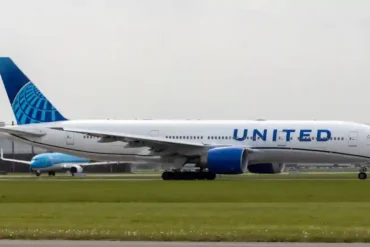
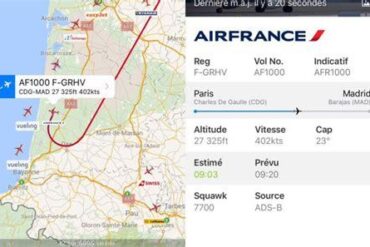
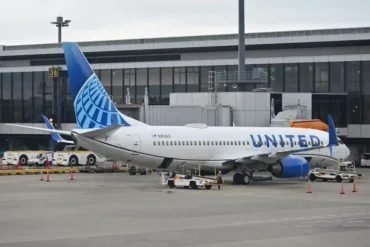
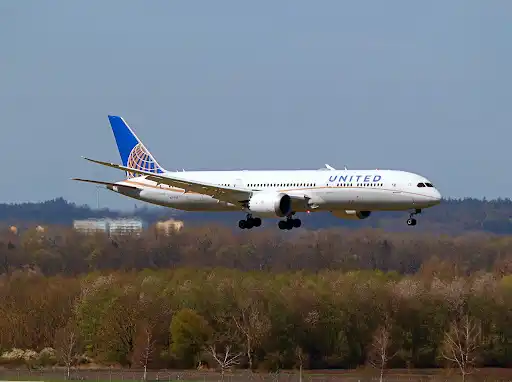
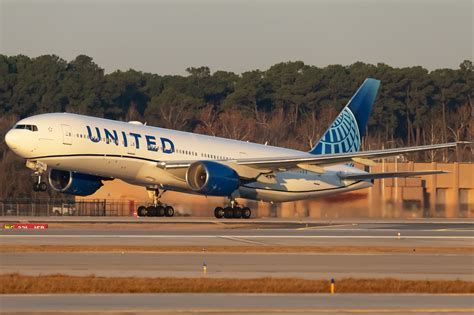
The aircraft in question, a Boeing 777-200ER, aged 26 years and registered as N78005, departed SFO as planned and had been airborne for just over two hours when an onboard medical emergency prompted the crew to issue a squawk 7700, the universal code for general emergencies. The widebody jet, at cruising altitude above the Pacific, initiated a controlled descent and rerouting sequence back toward the Californian coastline.
A Flight Transformed: From Routine Journey to Emergency Descent
What had begun as a routine transoceanic voyage quickly became a high-stress, high-stakes aviation scenario. Flight UA917, a vital connection between the United States and New Zealand, had just entered international airspace when the cabin atmosphere shifted. Passengers, many of whom were preparing for a 14-hour crossing, were alerted to an onboard medical situation that required immediate rerouting and a priority landing.
The emergency squawk signal was received by regional air traffic control and triggered swift coordination between the flight crew and SFO ground operations. In less than an hour, Runway 28L was cleared for the incoming Boeing 777. At approximately 3:50 a.m., the jet made a smooth but urgent landing, where it was met by emergency response teams already mobilized on the tarmac.
Human Costs and Emotional Fallout
While no official reports have yet detailed the condition of the individual at the center of the medical emergency, what’s clear is the ripple effect experienced by every person on board. For passengers, the ordeal extended far beyond inconvenience. Emotional fatigue, disorientation, and interrupted travel plans turned a standard long-haul flight into a traumatic memory.
Many travelers were on tight schedules, with some embarking on multi-leg journeys across Oceania, including pre-booked tours, business meetings, and once-in-a-lifetime vacations. What was lost in those early hours was not just time, but trust in the reliability of long-haul air travel.
Operational Reverberations Across the Pacific
The return of UA917 sent shockwaves across the trans-Pacific aviation corridor. The San Francisco–Auckland route, a key channel particularly during the Southern Hemisphere’s winter peak, was instantly disrupted. In New Zealand, ground handlers, hotel staff, tour operators, and airport coordinators had to pivot.
Passengers who were depending on onward connections in Auckland—many bound for Christchurch, Wellington, or smaller Pacific Islands—found themselves grappling with missed connections, visa confusion, and accommodation rebooking.
Delayed Departures and Passenger Recovery
United Airlines moved quickly to reschedule the flight, initially planning a fresh departure at 8:00 a.m. the same morning. However, operational complexities and the need for medical, logistical, and emotional assistance to affected passengers delayed the relaunch further. United issued a public statement emphasizing its commitment to customer safety and support, while also confirming ongoing coordination with SFO facilities and Auckland ground operations.
But for many stranded travelers, the response raised questions about airline preparedness for medical emergencies—not only in the air but also in the hours immediately following a crisis. Some passengers reported limited communication, difficulty rebooking alternative flights, and uncertainty over compensation for missed plans.
Aviation Safety and Aircraft Age Under Scrutiny
Though the mid-air emergency was medically driven and not the result of mechanical failure, the age of the aircraft—26 years—is raising eyebrows within aviation safety circles. The Boeing 777-200ER, though a reliable and widely used long-haul aircraft, has seen global fleet retirement trends accelerate in recent years as newer, more efficient widebodies like the 787 and A350 enter service.
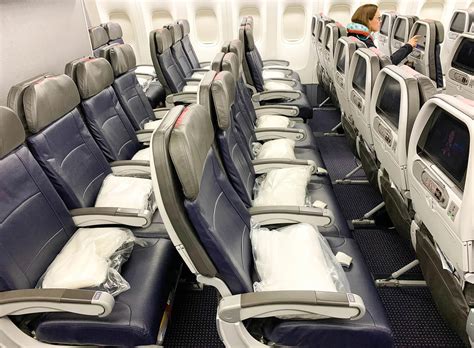
Public discourse often conflates emergencies with aircraft age, and although no technical fault was reported, the incident is likely to renew debate over how long older aircraft should remain in international service, especially on routes that leave few emergency landing options for hours.
Behind the Scenes: SFO’s Coordinated Response
Despite the gravity of the situation, San Francisco International Airport delivered a flawless emergency protocol. From clearing airspace and readying the runway to mobilizing paramedics, gate personnel, and deplaning staff, SFO demonstrated once again why it remains a model of international airport readiness.
However, the event also exposed the challenges of 24-hour airport operations. At the time of the incident, multiple overnight international flights were either departing or arriving, creating a tight gate environment. Rapid accommodation of an emergency return required precision-level traffic control and gate reallocation.
Industry-Wide Wake-Up Call: Tourism and Insurance Sectors React
The ripple effect extended beyond the aircraft and its crew. In Auckland, Wellington, and Queenstown, major hotel chains and tourism bureaus activated contingency protocols. Many travelers were already scheduled to begin time-sensitive excursions or multi-day packages that could not be easily postponed.
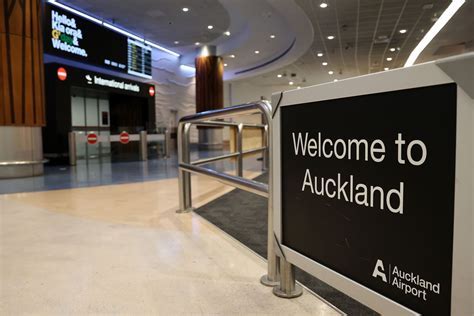
Tourism New Zealand issued a statement affirming its support for affected visitors, with major hotel chains offering grace periods and transport operators waiving rebooking fees. Meanwhile, travel insurance companies were deluged with claims ranging from missed tours to non-refundable hotel deposits. Insurers with 24/7 customer assistance desks were particularly praised for their responsiveness.
This incident revealed the critical importance of real-time adaptability in both the tourism and insurance sectors. As air travel resumes high-frequency patterns post-COVID, the need for agile contingency support has never been clearer.
A System Still Fragile in the Post-Pandemic Era
What happened aboard UA917 highlights more than just a single flight’s interruption. It reflects the broader fragility of global air travel in a world still recovering from pandemic-induced disruptions. Airlines continue to operate at near-capacity, schedules are tightly packed, and alternative flight options are often limited.
In such an environment, a single event—like a mid-air medical emergency—can trigger systemic breakdowns. Passengers may endure multi-day reroutes, airlines face scheduling gaps, and regional tourism sectors bear the cost of unfulfilled arrivals.
Final Descent: A Crisis Managed, Questions Remain
United Airlines Flight UA917 ultimately landed safely. The medical emergency was handled with urgency, passengers were not physically harmed in the rerouting, and SFO performed its duties with professionalism. Yet the emotional and systemic impact of the incident cannot be downplayed.
For the aviation industry, this was a live-fire exercise in emergency handling—a stark reminder of why contingency plans, crew training, and cross-sector communication must remain top priorities.
As UA917 prepares to relaunch with a fresh crew and possibly a different aircraft, one truth remains: global travel remains vulnerable. Behind each flight lies a vast, interconnected web of human movement, logistics, expectations, and risks. It takes only a moment—one unexpected signal, one emergency declaration—for that delicate balance to shift.
Looking Ahead
As travelers, airline operators, and tourism professionals look ahead, UA917’s story serves as a powerful case study. It challenges the industry to examine its readiness, rethink its aircraft strategies, and enhance its support systems for real-world emergencies.
Only through increased resilience, transparent communication, and human-centered protocols can the aviation world ensure that future disruptions are met not with chaos, but with clarity and care.