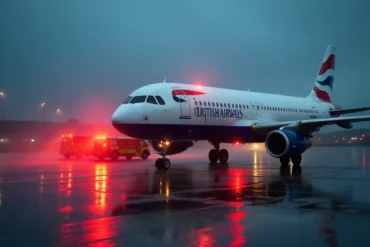
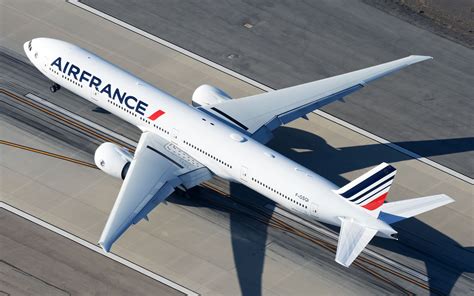
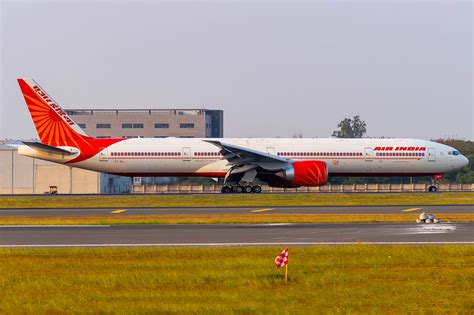
Air France flight AF386, scheduled to depart from Paris Charles de Gaulle Airport (CDG) for Toronto Pearson (YYZ), became a headline-grabbing story after it declared an emergency midair. What initially appeared as a routine transatlantic flight took a tense turn when a technical fault led to an unexpected return to Paris. The Boeing 777-300ER, a workhorse for the airline’s international fleet, had only just reached cruising altitude when pilots were forced to make a difficult decision that would ultimately spark a global aviation conversation. This incident not only raised significant safety concerns but also left many passengers and observers questioning the reliability of the aircraft and broader airline safety protocols.
The Sequence of Events Leading to the Emergency
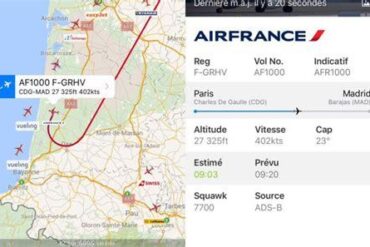
At 18:52 CEST, Air France flight AF386 took off from CDG, bound for Toronto, with a standard cruising altitude planned for the long-haul flight. However, shortly after entering the flight’s cruise phase, the aircraft encountered an unanticipated issue. The technical fault triggered a general emergency declaration, an extraordinary decision in aviation protocols that prompts immediate response measures. By the time the plane was over Normandy, it had descended from 32,000 feet to 30,000 feet, entering a holding pattern to dump excess fuel and prepare for an emergency landing back at Paris.
The situation unfolded rapidly, with Air France pilots taking swift action to ensure the safety of the passengers and the aircraft. The decision was made to return to Charles de Gaulle, and by 20:15 CEST, the aircraft was back on the ground without incident. The Boeing 777-300ER safely landed on runway 27L at approximately 21:10 CEST. Fortunately, no injuries were reported among the 200+ passengers, though the aircraft remains grounded pending technical evaluation.
The Role of Aviation Protocol in Managing Emergencies
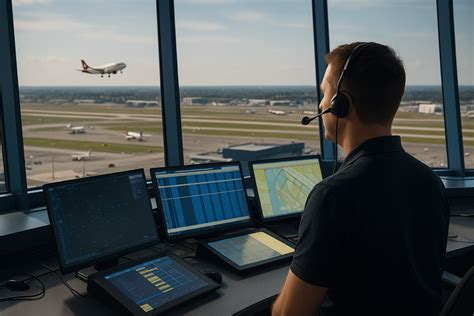
Emergency protocols are a cornerstone of aviation safety, designed to mitigate risks when things go wrong. The successful landing of AF386, despite the unexpected technical fault, can be attributed to precise coordination between the flight crew and air traffic controllers. The pilots’ ability to handle the emergency, follow established procedures, and ensure the safety of passengers demonstrates the efficacy of aviation safety protocols. However, this emergency highlights just how vulnerable a flight can become when unforeseen issues arise in midair, even in what should have been a routine operation.
The role of technology and real-time decision-making cannot be overstated. In an age where flights are tracked live, the awareness of such incidents often sparks a ripple effect in the public consciousness. Once the words “emergency” and “fuel dump” hit social media and flight trackers, a flood of speculation and concern followed.
Operational Impact and Ripple Effect on Airline Operations
For Air France, this unscheduled return had far-reaching operational consequences. The airline’s flight schedule was thrown into disarray. AF386, a widebody Boeing 777-300ER, was now out of commission for an indeterminate period while maintenance teams assessed the technical issue. Not only did this delay connecting flights, but passengers who had booked other international connections were also impacted by the unexpected landing.
Moreover, the situation put additional strain on CDG Airport’s logistics, requiring quick adjustments to air traffic slot allocations. Emergency response teams were deployed, and the process of grounding the aircraft had to be as smooth as possible to avoid creating further disruption. These operational challenges speak to the complex interdependencies that exist in air travel and highlight how one aircraft’s emergency can affect a broader network of services.
Public Perception and the Impact on Passenger Confidence
What makes incidents like AF386’s emergency more than just another operational challenge is their impact on public perception. Passengers today are already more sensitive to issues like mechanical failures and near-misses, especially after a year filled with similar events. Headlines about midair emergencies, such as this one, have the potential to chip away at public confidence in the safety of air travel.
While Air France acted swiftly to resolve the situation, the emotional impact of the emergency cannot be understated. Passengers on board may have experienced heightened anxiety, with many left unsure about the safety of the aircraft in the moments before the emergency was declared. As social media and live flight tracking tools enable passengers and onlookers to follow these events in real time, it becomes even more critical for airlines to manage both the immediate operational response and the long-term impact on passenger trust.
Lessons for the Aviation Industry: Moving from Crisis Response to Proactive Safety Measures
AF386’s emergency return brings to light the broader challenges facing the aviation industry today. Despite the successful outcome of this incident, it underscores the importance of proactive safety measures to prevent such emergencies from escalating in the first place. Airlines and aircraft manufacturers must ask themselves several key questions about their safety and maintenance protocols:
- Are inspection cycles frequent and thorough enough?
- Is there a system in place to detect and address technical faults before they reach a critical level?
- Are flight crews adequately trained to handle such emergencies, and do they undergo regular drills?
In response to this emergency, aviation regulators such as the European Union Aviation Safety Agency (EASA) and the U.S. Federal Aviation Administration (FAA) may review the safety protocols surrounding Boeing’s 777-300ER aircraft, especially given the growing number of similar incidents from the same model.
The Competitive Pressure: Balancing Demand and Safety Standards
As the aviation industry grapples with post-pandemic travel surges, airlines are under immense pressure to meet demand while maintaining safety. Incidents like AF386’s emergency return force a careful reevaluation of the balance between operational efficiency and stringent safety protocols. Rushing aircraft back into service without a full investigation risks creating even greater operational and safety challenges in the long term.
For Air France, this incident presents an opportunity to rebuild and reinforce passenger confidence. Clear communication about the steps being taken to resolve the technical issue, along with a transparent evaluation of what went wrong, can help restore public trust. Airlines that can demonstrate both efficiency and safety will likely be the ones to win back the loyalty of travelers.

Closing Thoughts: What’s Next for Air France and the Aviation Industry?
The return of Air France flight AF386 to Paris without incident was a fortunate outcome, but its implications extend beyond this one flight. The broader aviation industry must take note of the lessons this event provides: Proactive maintenance, real-time technical monitoring, and comprehensive crew training are all essential components of ensuring the continued safety of passengers.
As the incident continues to unfold in the media, Air France and the global airline industry will need to prioritize transparency, accountability, and continuous improvement. In a world where air travel is increasingly scrutinized, the next steps taken by the airline will be crucial in determining how it will weather the storm of public scrutiny. For now, AF386’s emergency serves as a stark reminder of the complex and ever-evolving nature of aviation safety.