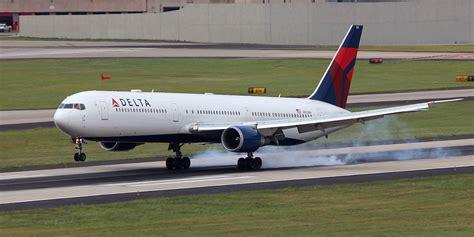
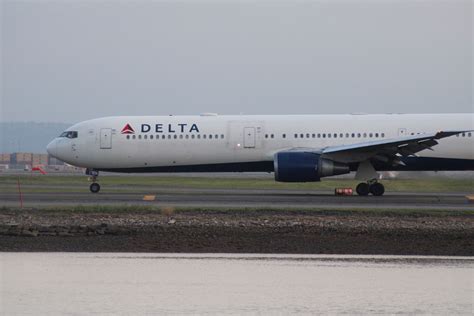
It was supposed to be a routine transatlantic flight. Instead, Delta Air Lines Flight DL25, operating a Boeing 767-400ER, turned into a moment of high-altitude tension shortly after lifting off from Nice Côte d’Azur Airport on the morning of July 2, 2025. As the aircraft ascended toward cruising altitude, a sudden halt at just 5,000 feet sent tremors through aviation circles and turned what began as a sunny summer escape into a critical emergency scenario.
A Calm Departure Shattered by a 7700 Emergency Code
The twin-engine jet, tail number N831MH, departed runway 22L at approximately 11:21 CEST, charting a long-haul course for Atlanta Hartsfield-Jackson International Airport. Only minutes into flight, however, the crew transmitted a “squawk 7700”—a universal transponder code signaling a general emergency.
In a matter of seconds, the normal hum of airline routine gave way to coordinated urgency. The aircraft ceased climbing, holding position over the glittering coast of the French Riviera, while ground controllers, pilots, and Delta’s operations team worked swiftly to assess the situation. The nature of the emergency was not immediately clear, which only amplified concerns among aviation analysts and travelers alike.
Inside the Cabin: Tension Amid Turbulence
Passengers aboard DL25 likely experienced what no traveler ever wants to: the deafening silence of uncertainty. With the plane circling at low altitude over Nice, the usually uneventful climb to cruising altitude was replaced by gentle banks and tight holding patterns, accompanied by few updates.
Cabin crew remained composed, though undoubtedly on high alert. The Boeing 767-400ER is a widebody aircraft capable of seating over 240 passengers in a typical configuration. Its spacious interior, designed for comfort on long-haul routes, suddenly felt confining as passengers gripped armrests and tried to read the expressions of flight attendants for clues.
Outside the aircraft, word spread fast. Flight tracker apps lit up as followers noticed the erratic altitude and holding maneuvers. Social media buzzed with speculation, and news of the emergency quickly reached terminals and lounges as travelers checked departure boards and mobile notifications.
The Aircraft: Trusted Yet Aging
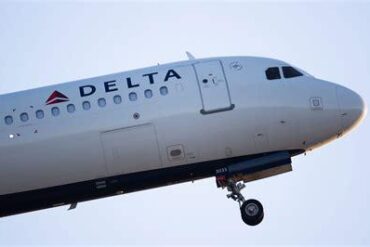
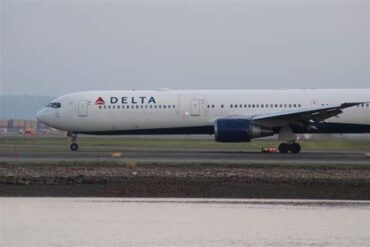
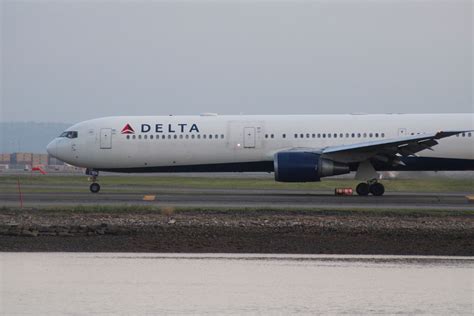
The Boeing 767-400ER, a member of a family first introduced in the early 1980s, remains a stalwart in Delta’s intercontinental fleet. The aircraft involved in this incident, N831MH, has been in operation since 2001 and has logged thousands of hours traversing the Atlantic.
While this aircraft type is known for engineering reliability and range, incidents such as DL25 spotlight the ongoing debate within the aviation industry about the continued use of older aircraft. The 767 family, particularly the -400ER variant, has long served as a reliable backbone of Delta’s transatlantic routes. However, in a climate of increasing demand for fuel efficiency and passenger comfort, airlines are under pressure to modernize aging fleets with newer models like the Airbus A330neo and Boeing 787 Dreamliner.
Industry Watchdogs Call for Answers
Though the emergency eventually resolved without physical harm, the aviation industry now turns to investigation. Mechanical failures, faulty sensors, or software glitches remain possibilities. Flight data and cockpit voice recorders will play a crucial role in determining the exact cause of the climb stoppage and emergency call.
Every incident involving a general emergency declaration is followed by a comprehensive review, not only by the airline involved but also by national and international regulatory authorities. For Delta, this includes internal fleet maintenance audits and communication with Boeing technical teams. For French and U.S. aviation authorities, it may result in temporary advisories or technical bulletins affecting other 767 aircraft.
The fact that the aircraft was allowed to continue on its route after a period of assessment indicates that the emergency was manageable—but that won’t stop questions. Was the response time adequate? Were passengers informed promptly? Could the incident have been prevented with more modern systems? These are now central to the ongoing inquiry.
Nice Airport’s Summer Crunch Adds Pressure
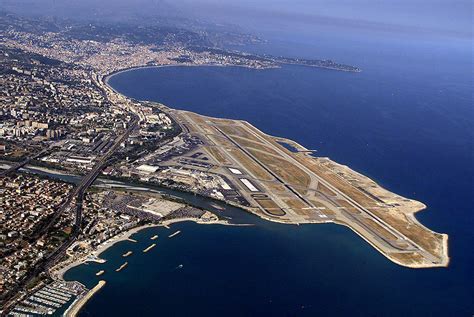
Nice Côte d’Azur Airport is France’s third-busiest, particularly in summer. The city’s azure coastline draws tens of thousands of high-end travelers during July, placing immense pressure on air traffic infrastructure and personnel. On the morning of the incident, airport personnel juggled the simultaneous responsibilities of standard operations and an unfolding emergency.
The temporary disruption caused by DL25 rippled through the schedule. Departures were held, gates reassigned, and some connecting flights delayed as operational priorities shifted. While no secondary emergencies occurred, it showcased how fragile airport operations can become when just one aircraft encounters trouble.
Social Media and the Rise of Real-Time Aviation Monitoring
In today’s hyper-connected world, airline emergencies no longer remain confined to cockpit and tower communications. The moment DL25 squawked 7700, Twitter/X, Instagram, and Reddit lit up with real-time speculation. Aviation hobbyists tracked the plane’s flight path via apps like FlightRadar24, while concerned relatives posted queries across forums and help pages.
This phenomenon—where ordinary citizens become real-time observers and commentators on in-flight emergencies—marks a new chapter in aviation transparency. While it allows for rapid information dissemination, it also creates a dual narrative: one official, slow, and verified; the other fast, speculative, and emotional. In the case of DL25, both narratives merged in the hours following the emergency, each shaping public perception in parallel.
Delta’s Response and Commitment to Safety
Following the incident, Delta Air Lines issued a brief statement confirming the emergency declaration, assuring that all passengers and crew were safe, and that the flight had continued to its destination without further issue. The airline reiterated its “commitment to safety above all else” and noted that technical teams would thoroughly investigate the situation.
Historically, Delta has maintained a strong safety record, bolstered by rigorous maintenance schedules, robust pilot training programs, and fleet diversification strategies. Still, the DL25 emergency now becomes a case study—used internally and perhaps by aviation safety institutions—to examine not just technical reliability but also communication effectiveness and crew performance under stress.
Relief in the Skies, Gratitude on the Ground
Eventually, the aircraft resumed its flight path and continued across the Atlantic, touching down in Atlanta several hours later. For the passengers, the rest of the journey likely felt surreal—a return to normalcy following an unforgettable scare.
Relief greeted them at Hartsfield-Jackson, as did renewed appreciation for the crews who navigate both machines and emergencies with equal precision. Stories began to surface on social media: from passengers thanking flight attendants, to families relieved by safe arrivals, to aviation analysts dissecting the path DL25 took through turbulence and protocol.
Lessons for the Summer of 2025 and Beyond
The skies of summer 2025 are packed—with flights, travelers, and expectations. As global travel rebounds from years of uncertainty, the world’s aviation networks are tested daily. Incidents like the DL25 emergency serve as reminders of aviation’s complexity, even amid modern conveniences.
More than a scare, this event reinforces the importance of ongoing vigilance, fleet modernization, emergency training, and communication clarity. Airlines must double down on transparency. Manufacturers must innovate beyond routine updates. Regulators must balance risk with reality. And passengers—armed with data and mobile trackers—must navigate their own evolving role as observers and stakeholders.
In the case of Delta Flight DL25, the system worked. A potential crisis was managed with professionalism. But in the ever-thinning margin between routine and disaster, each such event becomes a vital lesson for those who fly, those who operate, and those who watch from the ground.