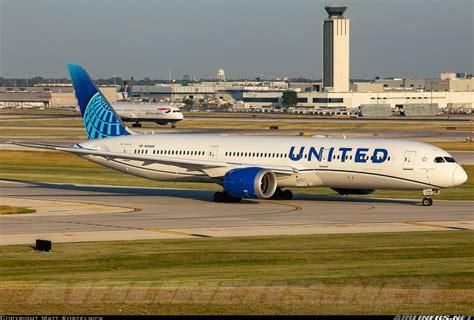
United Airlines’ ambitious rollout of its next-generation premium Dreamliner hit an unexpected snag when one of its newest Boeing 787-9 aircraft was forced to abort its first international passenger journey. What was meant to showcase a bold leap in onboard luxury instead became a stark reminder that even cutting-edge aviation technology is not immune to early operational hiccups.
A Promising Debut Cut Short Over the Pacific
The aircraft, freshly delivered in February and configured with United’s latest premium-heavy cabin, had only just begun its long-haul service life. Operating flight UA2 from Singapore to San Francisco, the jet departed slightly behind schedule but otherwise uneventfully. The climb to cruising altitude proceeded as planned, reaching approximately 30,000 feet as the aircraft tracked north over Malaysia.
Roughly 30 minutes into the transpacific journey, however, the tone inside the cockpit shifted. Both passengers and crew began noticing a distinct electrical odor circulating through the cabin’s ventilation system. While no visible smoke or system failures were immediately reported, the presence of such a smell is treated with utmost seriousness in modern aviation.
The flight crew, adhering strictly to safety protocols, made the decisive call to terminate the journey and return to Singapore.
Safety First: Immediate Turnback Decision
Rather than pressing onward across the Pacific, the aircraft entered a controlled holding pattern before making its way back to Singapore Changi Airport. The return flight lasted just under two hours from initial departure, a relatively swift turnaround considering the circumstances.
This decision reflects the aviation industry’s uncompromising stance on safety. Even a faint electrical odor can signal underlying issues ranging from insulation faults to overheating components. In a composite-heavy aircraft like the Boeing 787-9, which relies extensively on electrical systems, such anomalies demand immediate investigation.
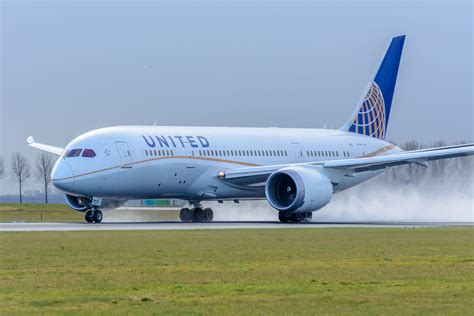
Upon landing, the aircraft was taken out of service and remains grounded on the apron while maintenance crews conduct a thorough inspection. Early assessments point broadly to a “maintenance issue,” though the precise cause has yet to be publicly disclosed.
A Premium Aircraft With High Expectations
This particular aircraft, registered as N61101, represents a significant investment in United’s future long-haul strategy. It features the airline’s newest onboard product, designed to redefine premium travel across its global network.
The cabin is anchored by the Polaris Studio suites—an enhanced version of United’s business class offering. These suites are more than 25% larger than standard Polaris seats and include:
- Sliding privacy doors
- Companion ottomans
- Expanded storage and workspace
- High-end amenity kits and curated dining experiences
Passengers are also treated to a 27-inch seatback entertainment screen, one of the largest in commercial aviation, alongside upgraded Premium Plus seating and improved economy class features.
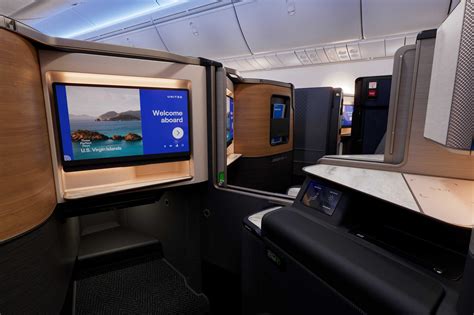
This aircraft was intended to debut the new interior on international routes, with Singapore among the first destinations and London scheduled to follow. United plans to introduce approximately 30 additional aircraft with similar configurations by 2027, signaling a major shift toward premium-heavy cabins.
Operational Fallout and Passenger Disruption
Initially, there was hope that the issue could be resolved quickly enough to allow the flight to continue, potentially with a technical stop in Honolulu. However, those plans were ultimately abandoned. The flight was canceled entirely, leaving passengers stranded in Singapore and forcing the airline to arrange accommodations and rebookings.
While such disruptions are frustrating for travelers, they are not uncommon when new aircraft enter service. Early operational phases often reveal minor issues that were not apparent during testing or short-haul deployments.
In this case, the aircraft had previously been used on domestic routes before transitioning to long-haul international service. The increased system loads and extended operating conditions of transpacific flights can sometimes expose vulnerabilities not encountered during shorter journeys.
A Setback, Not a Crisis
For United Airlines, the incident represents an unfortunate but manageable setback rather than a systemic concern. The Boeing 787 family has built a strong safety record over years of global service, and isolated events like this are typically resolved through targeted maintenance and procedural adjustments.
The airline’s decision to prioritize caution underscores its commitment to passenger safety, even at the cost of operational inconvenience and reputational impact. In an era where premium travel experiences are a key differentiator, reliability remains just as critical as luxury.
As maintenance teams work to diagnose and resolve the issue, the aircraft’s return to service will be closely watched. Its performance will not only influence passenger confidence but also shape perceptions of United’s broader premium strategy.
For now, the Dreamliner that was meant to symbolize a new era of comfort has instead delivered a different message—one that reinforces aviation’s oldest principle: when in doubt, safety always comes first.