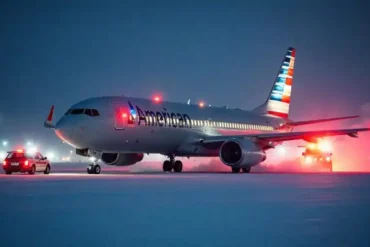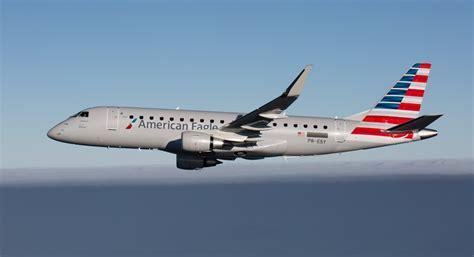
A sudden jolt of tension pierced the routine of American Airlines Flight 2391 on Sunday, June 23, 2025, as it soared eastbound from Dallas-Fort Worth International Airport (DFW) toward Cincinnati/Northern Kentucky International Airport (CVG). What began as a standard domestic journey quickly transformed into a nerve-wracking episode when a mechanical alert triggered an inflight response from the flight crew. Though the aircraft ultimately landed without incident, the scare reignited broader questions about the reliability of commercial aircraft, the resilience of aviation systems, and the psychological toll on modern travelers.
A Safe Landing Amid Rising Anxiety
Passengers aboard the flight described a momentary but unmistakable shift in the cabin atmosphere. It wasn’t panic, but a heavy, anxious silence that followed the captain’s announcement of a mechanical issue detected mid-flight. The crew acted swiftly and according to protocol, maintaining calm and professionalism while communicating with air traffic control and preparing for the possibility of an emergency.
Upon touchdown at CVG, the aircraft was greeted by airport emergency personnel as a precautionary measure, though no immediate interventions were needed. The passengers disembarked without injury or delay, their expressions betraying a mix of relief and quiet concern.
The Mechanical Incident: What We Know So Far
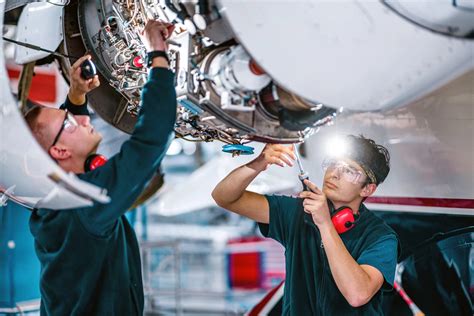
Though American Airlines has not publicly disclosed the exact nature of the mechanical fault, preliminary reports suggest that it may have involved an engine sensor anomaly or pressurization alert—common triggers for mid-air cautions. Maintenance teams at CVG began inspecting the aircraft immediately after arrival, initiating a safety protocol designed to isolate the malfunction and determine any deeper technical causes.
Mechanical issues, even minor ones, can reverberate far beyond the aircraft itself. In a post-pandemic world where air travel demand is surging and fleet operations are stretched, incidents like these spotlight the need for a robust, responsive safety infrastructure.
Summer Travel Stress: A Perfect Storm for System Failures
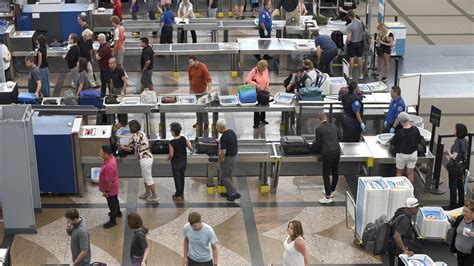
June marks the height of the U.S. summer travel season, with TSA daily screenings routinely exceeding 2.9 million. Aircraft utilization soars as airlines aim to meet customer demand with tight schedules and minimal downtime. This increased operational pressure often means older aircraft are pushed harder, and tight turnarounds leave little margin for error.
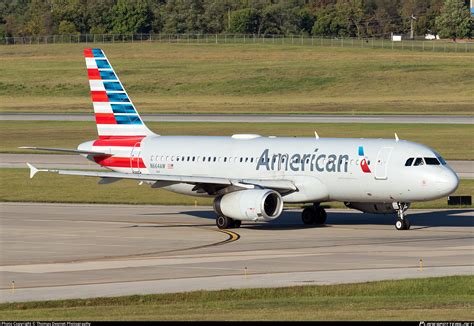
American Airlines operates one of the largest fleets in the world, consisting of a mix of Airbus A319/320/321 and Boeing 737/787 series. Many of these aircraft are between 15–25 years old, and while airworthiness is maintained through stringent checks, the wear and tear of thousands of cycles inevitably increases the likelihood of minor failures.
Passenger Reactions: Fear, Frustration, and Expectations
The emotional response onboard was subtle yet profound. Some passengers admitted to clutching their armrests. Others stared intently at the seatback screens, willing the flight map to update more quickly. It’s in these moments that passengers are reminded of their vulnerability at 30,000 feet—and the immense trust they place in both machine and man.
“Everything seemed fine at first,” one passenger told local reporters. “But then we heard the pilot mention a mechanical issue. That’s when the mood changed. Everyone got quiet.”
In an era where smartphones are never far from reach, news of the scare spread quickly on social media platforms, amplifying anxiety among friends, family, and future travelers alike.
Airline Accountability: The Need for Transparency
According to recent surveys by the International Air Transport Association (IATA), over three-quarters of travelers now rate safety as their top priority when selecting a carrier. Yet fewer than half feel airlines are transparent enough when problems arise.
American Airlines has so far released only a brief statement confirming that the flight landed safely and that maintenance teams are evaluating the aircraft. But public confidence is no longer restored by corporate press releases alone. Passengers and regulators alike are demanding greater clarity on:
- The exact nature of the fault.
- The age and maintenance history of the aircraft.
- Crew response times and communication effectiveness.
- What steps will be taken to prevent recurrence.
Fleet Modernization: More Than Just New Jets
American Airlines has invested significantly in fleet renewal programs in recent years, introducing new models like the Boeing 737 MAX 8 and Airbus A321neo. These aircraft feature advanced avionics, more efficient engines, and upgraded passenger comfort. However, the airline still operates a sizable number of aging jets inherited from pre-merger fleets or retained due to high post-pandemic demand.
The mechanical scare on the Dallas–CVG route is likely to reignite internal debates on inspection frequency, predictive maintenance algorithms, and the cost-benefit analysis of phasing out older aircraft. With supply chains still recovering from global disruption, acquiring new aircraft remains challenging—but the pressure to modernize is increasing.
Regional Airport Readiness: CVG’s Role in Safety Assurance
Cincinnati/Northern Kentucky International Airport, while not one of the nation’s mega-hubs, played its role flawlessly. Staff were promptly alerted. Emergency teams stood by, following strict FAA contingency protocols. The landing was smooth, and passengers exited the aircraft in an orderly fashion.
CVG, which handles a mix of commercial flights and cargo operations, trains regularly for such incidents. Its ability to coordinate with American Airlines ground staff and federal agencies ensured that potential escalation was avoided. This demonstrates the vital importance of regional airports in the broader national safety web.
The Human Element: Trust at 30,000 Feet
Beyond the machinery, beyond the manuals, lies the human experience. Mechanical issues trigger technical alerts, yes—but they also unleash waves of emotion in those aboard. For many passengers, the fear lingers even after a safe landing.
Trust is not just earned through spotless safety records; it is built moment-by-moment in how airlines communicate, respond, and empathize. A calm flight attendant, a reassuring update from the cockpit, or a timely message from the airline after landing can all mean the difference between shaken nerves and shattered confidence.
Regulatory Oversight: A Future of Tighter Standards?
This latest incident may accelerate calls from the Federal Aviation Administration (FAA) and consumer advocacy groups for enhanced transparency. Proposals gaining momentum include:
- Mandated public disclosure of mechanical alerts involving commercial flights.
- Expanded access to aircraft maintenance logs for regulators.
- Real-time incident communication via airline apps or SMS.
While some in the industry argue that such alerts risk creating unnecessary panic, others believe that empowering passengers with information is central to rebuilding long-term trust.

What Comes Next: Accountability and Reassurance
American Airlines is now in a critical phase. How the airline handles the aftermath of this incident—internally and publicly—could determine whether it strengthens or weakens customer loyalty.
Key steps the airline is expected to take include:
- A full internal investigation with transparent findings.
- Direct communication with affected passengers.
- Evaluating whether the issue was isolated or indicative of wider systemic stress.
In the coming weeks, flight records, maintenance audits, and customer service policies will be scrutinized not only by regulators but by a traveling public increasingly unwilling to accept vague reassurances.
Conclusion: A Safe Landing With Unfinished Business
The American Airlines flight from Dallas to Cincinnati ended safely. That fact alone is a testament to crew professionalism, aircraft resilience, and operational discipline. Yet, behind that success story lies a deeper call for reflection.
With global air traffic rising, aircraft aging, and customer expectations evolving, safety must remain the bedrock of air travel. Every incident, no matter how small, offers a chance to improve, to communicate better, and to prioritize passenger well-being over performance metrics.
As the travel season heats up, airlines across the industry would do well to listen—not just to cockpit instruments, but to the voices of the people they serve.