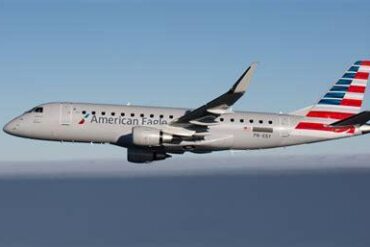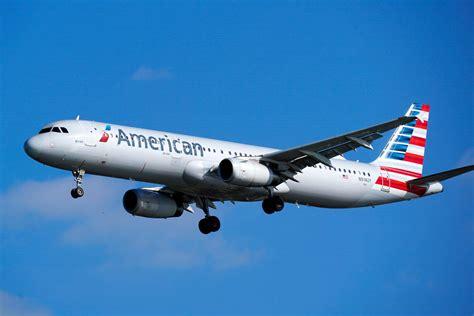
A transatlantic journey aboard American Airlines Flight AAL44 turned into an unexpected roundtrip on June 30, 2025, when a critical cabin system malfunction forced the wide-body jet to reverse course mid-air and return to its origin — New York’s JFK International Airport. The incident unfolded during the cruise phase of the flight, roughly three hours into the trip, as the aircraft hovered above the cold expanse of the North Atlantic near Nova Scotia.
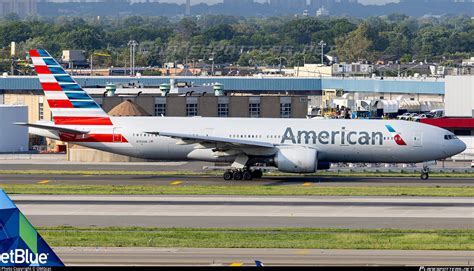
The aircraft, a Boeing 777-223(ER), was originally scheduled to depart at 5:30 PM local time, bound for Paris Charles de Gaulle Airport. However, it faced initial delays, ultimately pushing its departure to 6:23 PM due to previous scheduling disruptions. The impact of these delays would prove minor compared to what awaited passengers mid-flight.
Cabin System Failure Triggers Critical In-Flight Decision
At cruising altitude — 37,000 feet — the onboard flight management system detected an anomaly in the right-side air-conditioning pack, a component that plays a central role in regulating cabin pressurization and temperature stability. These systems are especially vital during long-haul operations, where consistent air quality and pressure are essential for both passenger comfort and physiological safety.
Upon receiving the fault alert, the flight crew acted swiftly. Adhering to FAA-mandated safety protocols, they made the call to abort the transatlantic mission and return to JFK. While not life-threatening in its early stages, such a system failure could become critical over the mid-Atlantic, where emergency landing options are severely limited.
The aircraft executed a smooth U-turn over Nova Scotia’s airspace, beginning its controlled diversion back to the U.S. The trajectory, as tracked by multiple flight monitoring services, showed no erratic movements, affirming the crew’s command of the situation and the aircraft’s structural stability.
Timeline of Events: From Delayed Takeoff to Safe Return
Though the flight began with delays, its early cruising segment proceeded normally. Originally projected to land in Paris by 10:53 PM local time, the aircraft never reached European airspace. Instead, it touched down safely at JFK at approximately 9:06 PM, with all passengers and crew onboard safe and uninjured. Emergency personnel were on standby but ultimately unnecessary.
Following the landing, maintenance teams immediately commenced diagnostic evaluations. Engineers focused on identifying the root cause of the malfunction, initiating system-wide checks of the Environmental Control System (ECS), which includes the faulty air-conditioning pack. The aircraft remained grounded pending the outcome of these technical inspections.
Context: A Second Widebody Diversion in Recent Weeks
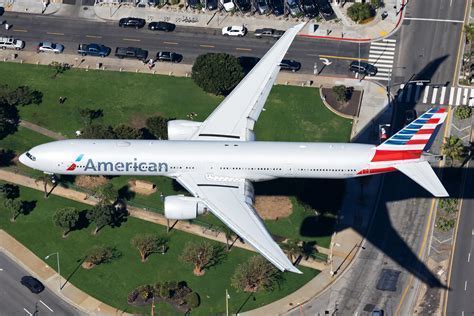
This event marks the second such mid-air incident involving American Airlines’ Boeing 777 fleet within weeks. In a separate occurrence, another 777-200ER operating a route from Athens to New York was diverted to Bangor International Airport in Maine. The cause: a fuel imbalance that led to the precautionary shutdown of the aircraft’s right engine.
Upon landing, maintenance teams identified a damaged fuel tube as the culprit. After repairs and full system verification, that aircraft was cleared for continued operations. Although the two cases are unrelated, both underscore the complexities of long-haul aircraft performance, particularly on transoceanic routes where diversion options are scarce and decision windows are tight.
The Engineering Behind the Emergency: Why the AC Pack Matters
While it may seem mundane, an aircraft’s air-conditioning pack is not just a comfort feature. These packs are integral to the ECS, ensuring pressurized and thermally regulated airflow throughout the cabin and cockpit. Each Boeing 777 is fitted with two such packs, typically one per engine side. In most cases, the aircraft can operate temporarily with one functioning unit, but this significantly reduces redundancy and poses potential risks, especially over water.
Failure in an air-conditioning pack doesn’t simply mean passengers are uncomfortable — it threatens the integrity of cabin pressure, which is vital at altitudes where atmospheric pressure is unlivable without mechanical support. In this incident, the right-side pack’s failure prompted the crew to treat it as a critical fault rather than a minor inconvenience.
Crew Decision-Making: A Study in Air Safety Protocol
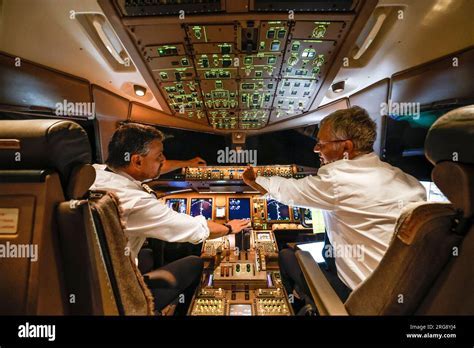
The captain and first officer’s decision to turn back was not just cautious — it was textbook aviation safety. Modern airline crews are trained rigorously in fault management scenarios, especially on Extended-range Twin-engine Operational Performance Standards (ETOPS) flights like this one. These flights allow aircraft to fly routes far from suitable diversion airports, provided they meet stringent reliability and system redundancy standards.
In this case, the crew weighed the risks of continuing versus the options of returning to a major hub. With JFK just under three hours away and multiple ground teams on standby, the decision prioritized passenger welfare, mechanical evaluation, and future fleet readiness.
Rising Pressure on Long-Haul Fleets During Peak Travel Season
This incident arrives amid a surge in international travel, especially across the Atlantic corridor. As global demand for transoceanic flights climbs, so does pressure on aircraft, maintenance crews, and scheduling logistics. Fleet utilization rates are higher than pre-pandemic norms, and while modern aircraft are built for heavy use, the strain on auxiliary systems like ECS is not insignificant.
These incidents reinforce the importance of predictive maintenance, real-time telemetry, and AI-enhanced system diagnostics — areas where the aviation industry is rapidly evolving. American Airlines, like its peers, is investing in next-generation fault-detection technologies that may allow earlier intervention before in-flight failures even begin to manifest.
Passenger Experience: A Sudden Twist on a Transatlantic Voyage
For the passengers of AAL44, the journey turned into a frustrating, anxiety-inducing experience. Despite the professional handling of the situation, there’s little that can truly compensate for hours spent in the air with disrupted plans, especially when expectations were set for a seamless international trip.
Upon landing, American Airlines initiated rebooking processes, offering alternate flights, accommodation (where necessary), and customer assistance. While no passengers were physically harmed, the airline faces a new kind of reputational test — one shaped as much by response efficiency as by the original malfunction.
Safety Over Schedule: Industry-Wide Lessons
What’s clear from this event and the recent Athens diversion is that aviation safety procedures are doing exactly what they’re designed to do. Aircraft are not just equipped to fly safely — they’re engineered to detect faults in real-time, alert crews instantly, and allow decisive action before minor issues escalate.
Both of American’s recent diversions — one for fuel, one for cabin pressurization — demonstrate how quickly crews must process complex technical data while ensuring hundreds of lives are secure. That’s the ethos at the heart of commercial aviation’s long-held safety record.
Looking Forward: Building Resilience into Transatlantic Operations
The twin diversions, while statistically rare, point to the necessity of ongoing vigilance. Airlines operating long-haul fleets need to ensure not only mechanical robustness but also logistical elasticity — the ability to respond, reroute, repair, and reassure swiftly.
American Airlines continues to invest in its safety infrastructure, and both incidents will undoubtedly feed into updated training protocols and maintenance checklists. In an age where public scrutiny and data transparency are omnipresent, airlines must match technological sophistication with operational resilience.
As demand for global mobility intensifies, the standards for safety — already sky-high — will be pushed even further. Incidents like AAL44 aren’t just aviation anomalies; they’re critical reminders of the thin margin between routine and emergency, and the discipline it takes to navigate that space responsibly.