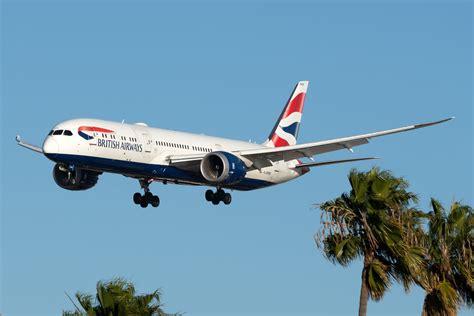
A British Airways Boeing 787-9 Dreamliner operating a transatlantic service from London Heathrow Airport to Las Vegas experienced an onboard cellphone fire that reportedly left part of the cabin scorched, highlighting the growing aviation industry’s concern over lithium battery-related incidents. Despite the alarming event, the aircraft completed its journey safely and arrived ahead of schedule, demonstrating the effectiveness of modern airline fire-response procedures and crew training.
The incident occurred aboard British Airways flight BA271, a regularly scheduled service connecting London Heathrow Airport with Harry Reid International Airport in Las Vegas, Nevada. According to reports, a passenger’s cellphone caught fire while the aircraft was cruising en route across the Atlantic. The flight crew subsequently informed air traffic control about the situation after the device ignited onboard.
While mobile phones are among the most commonly carried electronic devices on commercial aircraft, their lithium-ion batteries can occasionally experience a dangerous phenomenon known as thermal runaway. When this occurs, batteries can overheat rapidly, producing intense heat, smoke, and flames. Although such events remain relatively rare compared to the vast number of devices transported daily, they continue to represent a significant safety concern for airlines worldwide.
The fire aboard BA271 was reportedly contained by cabin crew without requiring an emergency diversion. Aviation safety protocols are specifically designed to address battery fires, and flight attendants receive extensive training on how to manage overheating electronic devices using specialized firefighting equipment and containment procedures.
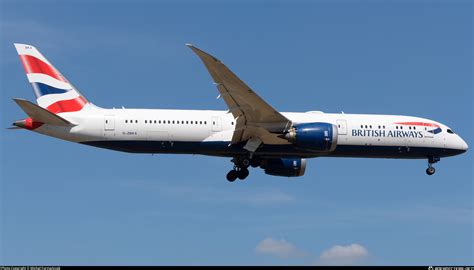
According to information surrounding the incident, the pilots advised air traffic controllers that the fire had been caused by a cellphone. The event did not affect the aircraft’s operational performance, and the Boeing 787 continued its scheduled flight to Nevada. However, the fire reportedly caused visible scorching damage inside the passenger cabin, underscoring how quickly lithium battery incidents can escalate if not addressed immediately.
British Airways later reaffirmed its commitment to passenger and crew safety, emphasizing that the aircraft landed safely and that passengers disembarked normally upon arrival. The airline’s response reflects standard industry practice following onboard incidents involving potentially hazardous electronic devices.
Flight tracking data indicates that BA271 departed London Heathrow slightly later than scheduled. The flight was originally planned to leave at 12:15 PM local time but ultimately departed at approximately 12:57 PM. Despite the delayed departure, favorable operating conditions enabled the aircraft to make up time during its westbound crossing over the North Atlantic, Canada, and the continental United States.
The aircraft touched down at Harry Reid International Airport at approximately 2:26 PM local time, nearly half an hour ahead of its scheduled arrival time. Emergency personnel from the Clark County Fire Department reportedly attended the airport as a precautionary measure. Airport officials later confirmed that the fire had been extinguished before landing and that the aircraft taxied normally to its assigned gate.
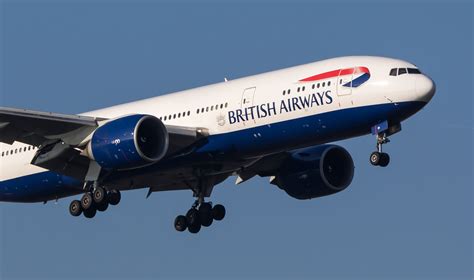
The aircraft involved was registered as G-ZBKH, one of 18 Boeing 787-9 Dreamliners operated by British Airways. The widebody jet first flew in February 2016 and entered service with the airline in June of the same year. Having spent its entire operational career with the UK flag carrier, the aircraft is slightly more than ten years old and represents a key component of British Airways’ long-haul fleet.
Configured with 216 seats across four cabin classes, the Boeing 787-9 serves numerous intercontinental routes for the airline. The Dreamliner family is widely recognized for its fuel efficiency, advanced composite construction, and passenger comfort features, making it a cornerstone of many global carriers’ long-haul operations.
The incident also draws renewed attention to the broader challenge of managing lithium battery risks in aviation. As passengers increasingly travel with smartphones, tablets, laptops, and power banks, airlines and regulators continue refining procedures to address potential battery failures. Crew members are trained to identify overheating devices quickly, isolate them when possible, and prevent fire spread within the cabin environment.
Although the cellphone fire aboard British Airways flight BA271 resulted in minor cabin damage, the successful containment of the incident and the aircraft’s safe arrival illustrate the effectiveness of current aviation safety measures. As investigations continue, including expected review by aviation authorities, the event serves as another reminder of the importance of vigilance when transporting lithium battery-powered devices at 35,000 feet.