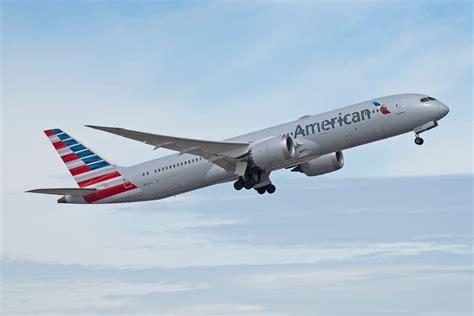
Passengers expecting a smooth 45-minute hop between Las Vegas and Los Angeles aboard American Airlines Flight AA2690 were instead thrust into a tense, high-altitude emergency that forced a mid-air diversion and triggered a Squawk 7700 distress code. What began as a routine journey aboard an Airbus A321neo on July 17, 2025, quickly unraveled into a scenario that’s now under intense scrutiny from federal regulators, aviation analysts, and the public.
A Routine Flight Turns Into High-Altitude Tension
Flight AA2690 had barely leveled off over the Mojave Desert before pilots declared a Squawk 7700, the aviation world’s universal distress signal indicating a serious emergency. The signal sent immediate shockwaves through the air traffic control network, clearing nearby airspace and prompting emergency services to mobilize at Harry Reid International Airport.
Inside the cabin, passengers described a scene of growing anxiety as the aircraft looped back toward Las Vegas. Armrests were gripped tightly. Conversations stopped. The drone of the engines was soon joined by hushed whispers and worried glances. Flight attendants moved briskly through the aisles, their composure a visible contrast to the mounting tension in the air.
The Gravity of Squawk 7700: What It Really Means
A Squawk 7700 transponder code is far from routine. It immediately elevates a flight’s priority, triggering a coordinated emergency response on the ground and in the air. In this case, American Airlines’ flight crew acted swiftly and decisively, initiating a U-turn over the desert and coordinating with air traffic controllers to expedite the aircraft’s return.
Such emergencies affect not just the flight itself but also ripple across the airline’s broader operations. Flights get delayed or canceled. Crew rotations become chaotic due to duty time limits. Maintenance teams must inspect the aircraft thoroughly before it can return to service.
Terrified Passengers Share Their Ordeal
Social media posts began surfacing within minutes of the squawk being issued. Passengers shared chilling accounts of uncertainty and distress, many describing the visible strain on the flight crew’s faces and the eerie silence that overtook the cabin.
In a world increasingly shaped by real-time updates, the incident spread quickly beyond the aircraft cabin. Onlookers tracked the flight live on apps like FlightRadar24, watching the telltale circular flight path and the aircraft’s premature descent with alarm.
A Strain on the Las Vegas–Los Angeles Travel Corridor
The Las Vegas to Los Angeles air corridor is among the busiest in North America. With multiple daily departures from several airlines, it’s a lifeline for tourism, conventions, and entertainment traffic. The sudden unavailability of an aircraft—even temporarily—can have far-reaching effects.
This specific route supports not just travelers, but also a web of interconnected industries—from casinos and hotels in Vegas to studios and business centers in Los Angeles. Flight disruptions lead to cascading effects: missed events, hotel cancellations, and even delayed shipments of event-related cargo.
The Broader Impact on Airline Operations
The financial consequences for American Airlines are more than incidental. A return-to-origin diversion represents a multifaceted operational cost:
- Lost ticket revenue from canceled or rerouted flights
- Additional fuel burned during diversion
- Activation of emergency ground crews and equipment
- Potential overtime costs for staff
And those are just the measurable costs. Add to that the reputational hit and customer compensation, and a single emergency can balloon into a six-figure setback.
Regulatory Oversight Intensifies
As the Federal Aviation Administration (FAA) launches an investigation, questions swirl around what exactly caused the emergency. Though pressurization issues are suspected, no official confirmation has been provided by American Airlines. If proven accurate, the issue could prompt an industry-wide inspection of the Airbus A321neo fleet—a backbone aircraft for numerous major carriers.
Aircraft pressurization systems are essential for passenger safety at cruising altitude. Any failure—mechanical or electronic—triggers automatic protocols, forcing crews to descend or divert quickly. Regulators will now scrutinize maintenance logs, flight data recorders, and cockpit transcripts to assess whether this was a one-off anomaly or part of a broader issue.
Travel Industry in Crisis Mode
Travel agencies, tour operators, and hospitality providers also face fallout. Emergencies create uncertainty that can tarnish entire regions. In Las Vegas, hotels accustomed to constant footfall may suddenly face empty rooms. Meanwhile, travelers at LAX with connecting flights missed due to the incident flood airline help desks and customer service lines.
At a time when the travel industry is just regaining momentum post-pandemic, such events highlight how fragile customer trust remains. Recovery depends not just on aircraft safety, but also on public perception and effective communication.
Crew Resilience Under Fire
Flight crew—often lauded as aviation’s unsung heroes—bear a heavy emotional toll in such scenarios. Pilots are trained extensively for emergencies, but that doesn’t eliminate the human strain. Post-incident debriefings, mandated rest periods, and psychological support are crucial for crew recovery.
Additionally, because FAA regulations limit how many hours a crew can operate within a 24-hour period, an emergency diversion means other scheduled flights must be covered, often on short notice. This creates scheduling chaos for airlines during already packed summer calendars.
Airport Response and Local Implications
Harry Reid International Airport was lauded for its swift emergency response, with fire trucks, paramedics, and tarmac staff on standby before the aircraft touched down. But for an airport servicing millions each month, even a brief disruption requires intensive coordination.
Las Vegas’ economy thrives on predictable, efficient air travel. With casinos, conventions, and tourism forming the backbone of local revenue, any delay or headline-grabbing event has immediate implications. Tourists may reconsider trips. Business travelers may opt for alternative routes.
Real-Time Tracking: A Double-Edged Sword
Apps like FlightRadar24 and FlightAware empower passengers and their loved ones with transparency—but they also fuel anxiety. The moment AA2690 looped back toward Las Vegas, forums and social media platforms lit up. Without official statements, speculation surged, ranging from mechanical failure to possible decompression.
While this visibility holds airlines accountable, it also creates pressure to communicate faster and more openly than ever before. In today’s media landscape, silence breeds mistrust.
Lessons for the Aviation Ecosystem
The AA2690 incident offers important lessons for both travelers and airlines. For passengers, it’s a reminder of the value of travel insurance, flexible bookings, and preparation for disruption. For airlines, it’s a wake-up call on the importance of crisis response protocols, training, and customer outreach.
Furthermore, it’s a signal to airports and regulators to maintain readiness for unpredictable events—even on short domestic hops. Safety remains the industry’s highest priority, but the response to emergencies defines how that commitment is perceived by the public.
Looking Toward the Future
American Airlines, in coordination with federal aviation bodies, is expected to release an official report on Flight AA2690’s emergency in the coming weeks. Passengers have been offered compensation and alternative travel arrangements, but many remain shaken by the experience.
In the broader context, the incident is already catalyzing discussion about aircraft redundancy systems, emergency training, and fleet maintenance standards. If the issue proves systemic, it could lead to grounding orders or mandatory upgrades across airline fleets.
For now, both Las Vegas and Los Angeles remain on high alert. Every flight departure and arrival will be scrutinized a little more closely. Every pilot decision will be second-guessed. Every passenger will board with a slightly more cautious heart.
What happened aboard AA2690 is more than a momentary scare—it’s a case study in modern aviation’s strengths and vulnerabilities. And as the skies continue to buzz with summer travelers, this high-altitude emergency will serve as a cautionary tale for the entire industry.