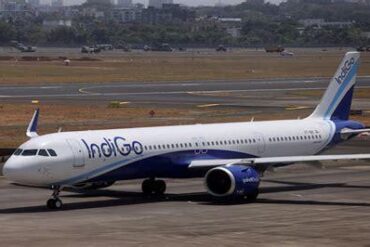
On July 20, 2025, an IndiGo flight from Tirupati to Hyderabad was compelled to make a sudden U-turn just 35 minutes after take-off due to a significant technical failure. This unexpected incident not only caused distress among passengers but also disrupted their travel plans, as the flight that was supposed to land in Hyderabad had to return to Tirupati for an urgent safety inspection.
The flight, designated 6E6591, was the final scheduled service from Tirupati to Hyderabad for the day. The abrupt turn-around left many passengers stranded at the airport, creating a chaotic scene as travelers scrambled to understand their options. IndiGo’s ground staff promptly informed those affected that they would need to vacate the airport since no further flights to Hyderabad were available that evening.
In response to the turmoil, IndiGo took immediate action to minimize disruption. The airline arranged for an alternative flight for the impacted passengers, scheduled to depart the following morning at 8:20 AM. This proactive measure allowed passengers to continue their travel plans with minimal delay, addressing some of the inconvenience created by the unexpected return.
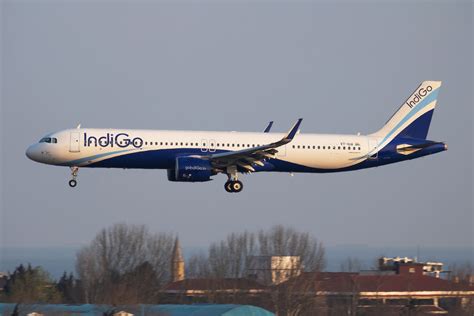
The aircraft involved in this incident was an Airbus A321neo, which had been delivered to IndiGo in December 2019. With 5.6 years of service under its belt, the aircraft was built at Airbus’ Hamburg (XFW) facility and initially bore the test registration D-AYAL before being integrated into the IndiGo fleet. It is powered by two Pratt & Whitney (PW) engines and features an all-economy layout with 222 seats, designed to provide a comfortable flying experience for passengers.
While the precise technical reason behind the flight’s return has yet to be disclosed, IndiGo has confirmed that a thorough inspection of the aircraft is underway. The airline has assured the public that this inspection is critical to ensuring the aircraft’s airworthiness before it resumes service, reflecting their commitment to passenger safety.
This incident is not isolated; it follows a similar occurrence just a few days earlier, when another IndiGo flight, 6E6271, traveling from Delhi’s Indira Gandhi International Airport (DEL) to Goa’s Manohar International Airport (GOX), experienced a technical issue mid-flight. The pilot declared a “PAN-PAN” alert—an international distress signal indicating an urgent situation that is not life-threatening. During this incident, the Airbus A320neo carrying 191 passengers diverted to Mumbai’s Chhatrapati Shivaji Maharaj International Airport (BOM), landing safely without injuries reported. Emergency response teams were on standby, showcasing the airline’s commitment to safety.
In light of these events, it becomes clear that the aviation industry in India is facing a series of technical challenges. A recent incident involving a SpiceJet flight from Pune (PNQ) to Delhi (DEL) illustrates this trend, where a technical fault forced the plane to abort takeoff after remaining grounded for over nine hours. Passengers onboard faced significant delays and discomfort as they awaited resolution. Similarly, another IndiGo flight, 6E7295, had to return to Indore (IDR) shortly after takeoff due to a detected technical fault, once again prioritizing the safety of passengers and crew.
These incidents underscore the critical importance of rigorous maintenance checks and the operational challenges that airlines face in ensuring the airworthiness of their fleets. They highlight the essential role of pilots and crew members in making swift, informed decisions to protect the lives of everyone aboard. Aviation experts stress that airlines must maintain strict maintenance schedules and stay vigilant about potential technical issues to prevent such occurrences.
Furthermore, the exemplary response of airline crews and ground staff during these crises has been commendable. By adhering to established safety protocols and maintaining clear communication with passengers, airlines like IndiGo demonstrate their unwavering commitment to passenger safety and operational excellence, even in the face of challenges.
The recent incident involving the IndiGo flight from Tirupati to Hyderabad serves as a stark reminder of the complexities and challenges inherent in modern aviation. As airlines navigate the intricate web of safety requirements, passenger expectations, and operational realities, the paramount importance of safety remains at the forefront of the industry’s mission. Ensuring the safety of everyone involved—airlines, passengers, and the broader public—continues to be the number one priority in aviation.