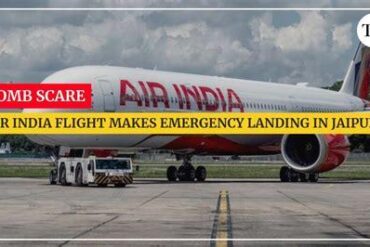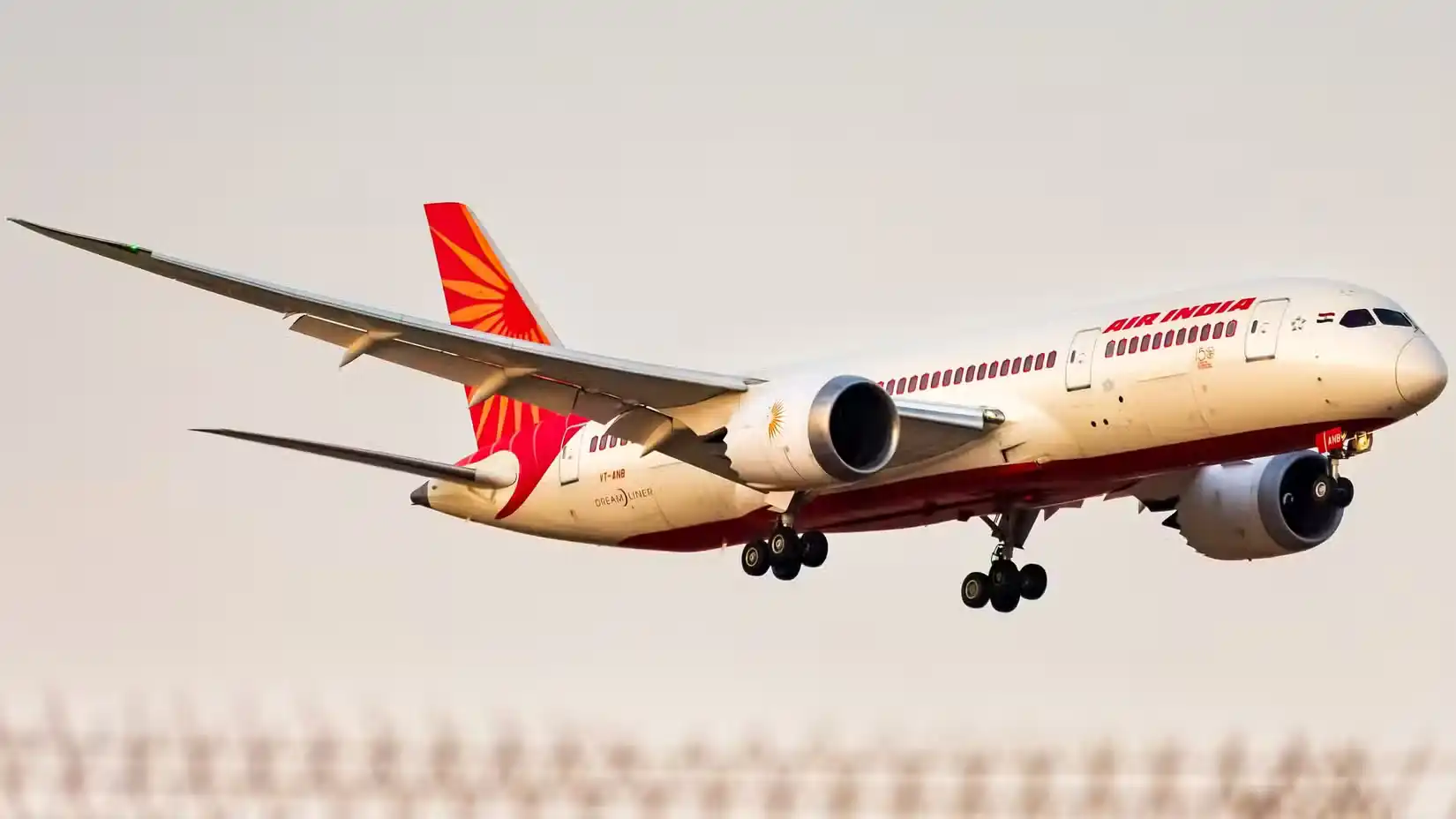
An Air India Boeing 787-8 Dreamliner operating as flight AI315 from Hong Kong International Airport (HKG) to Delhi Indira Gandhi International Airport (DEL) was forced to return midair on June 16, less than an hour after departure, following what the airline officially described as a technical issue. The incident has drawn heightened attention as it comes just days after a fatal crash involving another Boeing 787-8 in the same airline’s fleet.
The Incident: A Routine Departure Gone Awry
Flight AI315, operated by aircraft registration VT-NAC, departed Hong Kong at 12:16 PM local time, embarking on its scheduled journey to the Indian capital. However, shortly after entering mainland Chinese airspace and ascending to approximately 22,000 feet, the aircraft unexpectedly turned around over the South China Sea and began its descent back to Hong Kong.
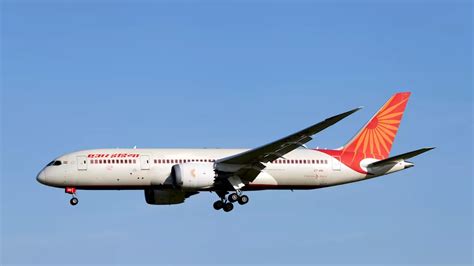
Importantly, the crew did not issue a squawk 7700, the standard transponder code for an emergency, indicating that while the technical problem may have been significant enough to warrant a return, it was not considered life-threatening by the cockpit crew. The plane safely landed back at HKG at 13:17, precisely an hour after it took off. As of June 17, the aircraft remains grounded at the airport pending detailed inspections.
Airline Response and Passenger Handling
In a statement released to Simple Flying, Air India acknowledged the incident, emphasizing that the decision to return was taken “as a matter of abundant precaution.” The airline assured that alternative arrangements were promptly planned to fly the affected passengers to Delhi and that on-ground assistance was provided to minimize inconvenience.
“The flight landed safely at Hong Kong and is undergoing checks as a matter of abundant precaution. Alternative arrangements have been planned to fly the passengers to their destination, Delhi, at the earliest. We are providing all necessary on-ground assistance to the passengers to minimise the inconvenience caused by this unforeseen disruption.” — Air India official statement
The airline has not announced a timeline for when the Dreamliner VT-NAC will resume operations, suggesting the technical inspection is ongoing and potentially more complex than initially presumed.
Timeline of Aircraft Activity: From Abu Dhabi to the Incident
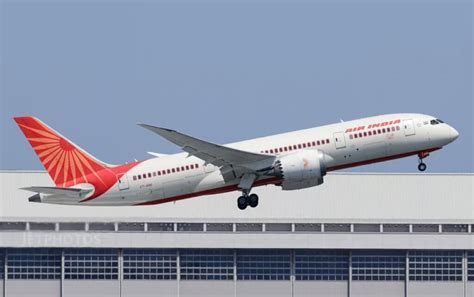
Public data from Flightradar24 reveals that this specific aircraft had been temporarily stored at Abu Dhabi Zayed International Airport (AUH) from June 1 to June 12. It returned to Delhi on June 12, and by June 13, it resumed commercial operations with a flight to Dubai International Airport (DXB). This rapid return to service has raised questions about whether the aircraft was adequately tested or inspected before being reintroduced into the fleet.
A Fleet Under Scrutiny: Recent Tragedy Prompts Fleetwide Checks
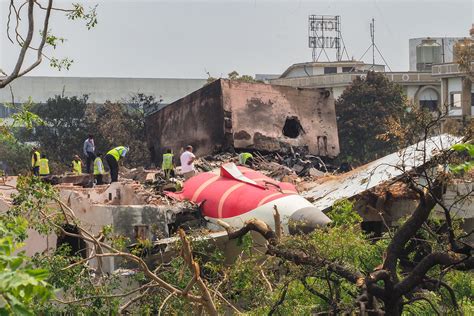
This midair turnback casts a shadow in the wake of a devastating crash involving another Boeing 787-8, registered VT-ANB, operating as flight AI171 from Ahmedabad to London, which crashed shortly after takeoff on June 12. The aircraft was carrying 242 individuals, including 230 passengers, two pilots, and ten crew members. The disaster claimed over 200 lives, including casualties on the ground, and left only one passenger survivor.
The Indian Ministry of Civil Aviation, in coordination with the Directorate General of Civil Aviation (DGCA), launched a comprehensive investigation led by the Aircraft Accident Investigation Bureau (AAIB). The aircraft’s black boxes were recovered on June 13, and a team of U.S. investigators from the National Transportation Safety Board (NTSB) has joined the effort to uncover the root cause.
In response to the crash, DGCA ordered Air India to conduct urgent technical checks on all 33 of its Boeing 787 Dreamliners, particularly focusing on GE Aerospace GEnx engines. As of June 14, only eight aircraft had undergone inspection.
Technical Challenges or Systemic Oversight?
Though Air India has remained tight-lipped about the exact nature of the technical issue that triggered the return of VT-NAC, the timing—so soon after a fatal crash—raises concerns of a systemic problem within fleet maintenance protocols or engine performance reliability. The Dreamliner, a modern aircraft known for its fuel efficiency and long-haul capabilities, has faced its share of engine reliability issues globally, particularly with earlier batches of the GEnx-1B engines.
While there is no confirmed link between the AI315 incident and the AI171 tragedy, the sequence of events suggests a cautious airline leadership, perhaps erring on the side of safety while public scrutiny intensifies.
Operational Context: A Crowded Route and Fleet Movement
The Delhi-Hong Kong route is a competitive corridor, and flight AI315 was just one of several scheduled services between the two major Asian hubs on June 16. Cathay Pacific operated two flights that day using its Boeing 777-300ERs, while IndiGo deployed an Airbus A321neo on flight 6E1708, which had already departed by the time of AI315’s turnback.
The implications of AI315’s return go beyond a single flight’s disruption. It potentially throws a wrench into Air India’s tightly managed fleet schedule as international rotations often cascade delays across multiple sectors. With the aircraft still on the ground, the airline will have to reassign other jets or lease in capacity to maintain regular service levels.
Reputation and Regulatory Repercussions
Following the fatal crash, public sentiment toward Air India’s safety record is under renewed scrutiny. Though the airline is in the midst of a massive transformation post-privatization under Tata Group, such incidents create public relations turbulence and risk eroding consumer confidence, particularly in premium international markets.
The DGCA’s directive to inspect all Dreamliners, along with the multi-agency crash investigation, will serve as a litmus test for how committed Air India is to restoring its reputation not only as India’s flag carrier but as a globally respected long-haul operator.
What’s Next for VT-NAC and Air India’s 787 Fleet?
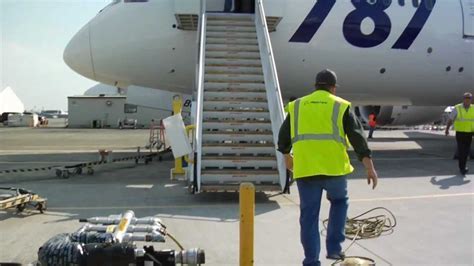
At the time of writing, no official findings have been released regarding the technical fault aboard VT-NAC. The grounded aircraft at Hong Kong International Airport is undergoing what the airline describes as precautionary checks, yet there remains no clear timetable for when it will return to service.
In the interim, Air India will need to provide greater transparency to reassure the traveling public and international regulators that the incident was a one-off anomaly, not indicative of deeper safety or maintenance failings. In the event that a pattern of similar technical events emerges, Air India may face grounding orders or stricter oversight from the DGCA.
Conclusion: A Crisis of Confidence or a Precaution Well Taken?
The sudden midair return of Air India’s VT-NAC Boeing 787-8 from Hong Kong underscores the fine line between proactive caution and reactive damage control. In isolation, a technical diversion may seem routine, but the shadow of a recent fatal crash turns every anomaly into a potential warning sign.
As India’s aviation safety authorities intensify scrutiny and international observers watch closely, how Air India handles this incident—and the broader maintenance integrity of its Dreamliner fleet—may determine whether it can truly ascend to global standards of trust and reliability. For now, VT-NAC sits silently on the Hong Kong tarmac, emblematic of an airline at a critical inflection point.