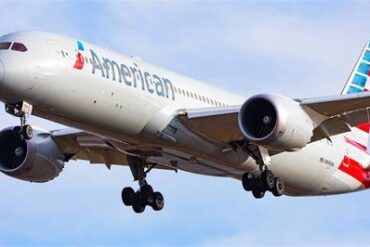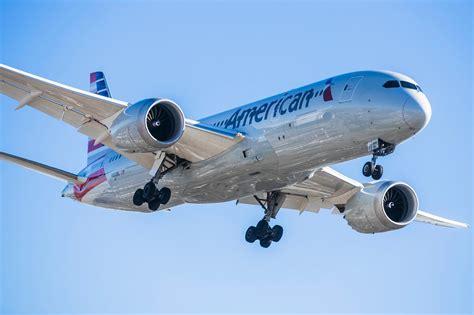
American Airlines faced a dramatic double diversion on July 3, 2025, after one of its Boeing 787-8 Dreamliners, operating as Flight AAL41 from Barcelona to Chicago, was forced to return to Barcelona El Prat Airport (BCN) twice in a span of just a few hours. The aircraft, registered N875BD, has since been grounded, sparking questions about ongoing reliability issues plaguing American’s long-haul fleet.
The day’s events highlighted not just a single point of failure, but a cascading series of technical missteps, reinforcing growing concerns about mechanical stability across American Airlines’ widebody operations.
The First Attempt: Takeoff and Immediate Return
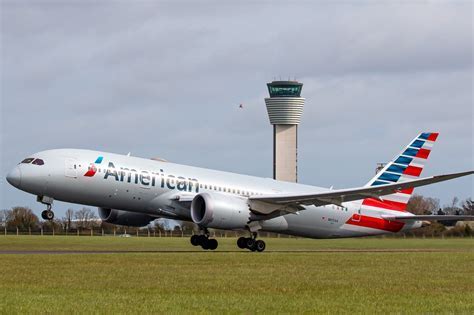
Flight AAL41 was initially scheduled to depart Barcelona at 10:45 local time, bound for Chicago O’Hare International Airport (ORD). However, shortly after takeoff, the pilots declared an unspecified issue and made an emergency return to BCN. Just seven minutes after wheels-up, the Dreamliner was back on the ground.
Emergency response units, including fire crews and paramedics, were dispatched to the aircraft’s arrival gate. Although the airline did not publicly disclose the exact nature of the problem, the presence of full emergency services indicated a potentially serious technical anomaly.
Despite the alarming circumstances, no onboard injuries or medical emergencies were reported. Passengers were held on standby as American Airlines prepared the aircraft for a second attempt.
Second Attempt Also Fails: Grounded Again
After initial troubleshooting, ground crews cleared the aircraft for another departure attempt at 14:00 local time. This flight remained airborne for nearly two hours but once again was forced to turn back, landing at 15:55. Once again, emergency services were observed staging at the aircraft’s arrival zone, signaling unresolved technical problems.
Eyewitnesses on nearby Aer Lingus flights described seeing emergency personnel preparing near the taxiway, adding to the confusion and unease among travelers.
Aircraft Grounded: Registration N875BD
The Boeing 787-8 involved in both diversions is 4.7 years old, registered as N875BD. It remains grounded at Barcelona Airport pending further technical inspection. American Airlines has yet to issue a formal explanation, and as of publication, no mechanical or procedural reasons have been provided.
The prolonged grounding raises the possibility of complex mechanical faults, likely requiring more than basic line maintenance. Industry insiders speculate that the issue could be software-related or involve flight-critical systems such as hydraulic controls or avionics modules.
A Pattern of Reliability Concerns
This incident is not isolated. American Airlines has encountered similar disruptions with other Boeing 787 Dreamliners, raising broader concerns about systemic reliability challenges in its long-haul fleet.
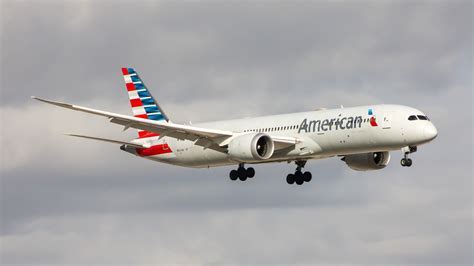
In a notably similar case earlier this year, Flight AA203 from Amsterdam (AMS) to Philadelphia (PHL), operated by a Boeing 787-8 registered N819AN, was also forced to return to AMS following a technical fault shortly after takeoff on January 7, 2025.
The pilots initially attempted to continue on course but later began fuel dumping procedures over the North Sea, a rare and serious move indicating an overweight landing. The aircraft returned safely to Amsterdam after 90 minutes. The issue was later attributed to a flap system malfunction.
Failed Recovery Attempts Underscore Deeper Issues
Even more telling was the failed recovery flight the following day. Scheduled as Flight AA9605, it was canceled after a hydraulic oil leak was discovered during preflight checks. This mechanical issue grounded the aircraft for an extended period, reinforcing the complexity and severity of the underlying problems.
The hydraulic system in a Boeing 787 is critical for controlling flaps, rudder, elevators, landing gear, and brakes. Any leak or pressure anomaly in this system is treated with utmost caution due to the risks it poses to aircraft maneuverability and landing safety.
Newly Delivered 787-9 Also Shows Troubling Signs
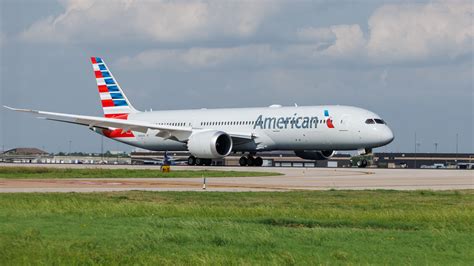
Adding to American’s operational woes, their newest 787-9 Dreamliner, registered as N846AN, has been beset with repeated technical malfunctions since delivery in late April 2025. The aircraft was initially positioned from Everett to Dallas–Fort Worth (DFW) and entered limited service in early June.
However, it soon experienced a wave of cancellations:
- June 4: Positioning flight forced to return due to mechanical fault
- June 6: Flights AA2012 and AA2321 between ORD and LAX canceled
- June 7–8: Return flight from LAX delayed by 32 hours
Out of four scheduled commercial flights, only one was successfully completed, reflecting a worrying trend of early-life failures that has not gone unnoticed by industry experts.
Manufacturing Quality Under Scrutiny
The issues plaguing these Dreamliners are not only an operational headache for American Airlines but also cast shadows on Boeing’s quality control. American’s 787 fleet is powered by GEnX engines, and the aircraft involved in the AMS and BCN incidents are still considered relatively new, with service lifespans well below industry retirement thresholds.
Insiders have noted a mix of problems ranging from engine underperformance, door locking failures, and electronic system anomalies. The repetitive nature of these issues suggests that American’s troubles are not simply bad luck, but potentially the result of systemic production lapses or insufficient post-delivery inspections.
Impact on Passengers and Brand Reputation
For the hundreds of passengers affected on July 3, the double U-turn of Flight AAL41 was more than a minor inconvenience. Not only did it mean extended hours on the tarmac and in terminals, but it also eroded trust in the airline’s ability to maintain fleet readiness and ensure safe and seamless transatlantic travel.
The lack of communication regarding the exact nature of the malfunction further frustrated travelers. While no injuries were reported, the psychological toll of two emergency returns in the same day cannot be underestimated.
With no public statement yet from American Airlines, the silence has fueled speculation and criticism, especially across social media where aviation observers and passengers are actively dissecting the sequence of events.
Aviation Analysts Weigh In
Aviation expert and frequent industry commentator @xJonNYC has pointed out that these are not one-off events but part of a broader reliability narrative plaguing both the airline and the aircraft manufacturer. He notes that “while new aircraft can experience minor kinks, what we’re seeing here are cascading, mission-critical failures in aircraft that should be at peak performance years.”
Boeing, still under a microscope for its earlier 737 MAX controversies, cannot afford these headlines. For American Airlines, which is banking on the Dreamliner series to power its international expansion, the implications are even more direct — revenue losses, schedule breakdowns, and customer dissatisfaction.
Conclusion: A Symptom of a Larger Problem?
As the Boeing 787-8 N875BD remains grounded in Barcelona, the double diversion incident may be more than an isolated mechanical issue. It highlights a pattern of technical volatility that raises serious concerns over the fleet’s airworthiness, maintenance regimes, and manufacturing oversight.
Until American Airlines provides a detailed report, industry experts will continue to speculate on the root causes. What’s clear, however, is that these incidents are eroding confidence — not just in American’s long-haul operations, but also in Boeing’s ability to deliver reliable, trouble-free aircraft in an era where reputational risk travels as fast as any jetliner.
The coming days will be crucial. American Airlines must respond with transparent, credible information, or risk becoming a case study in how technical mismanagement can rapidly spiral into brand turbulence.