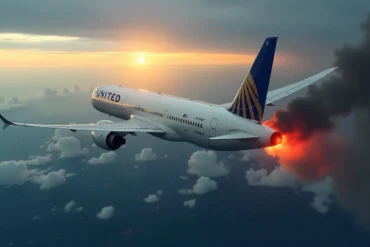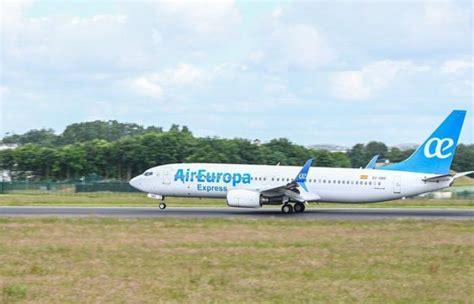
On July 1, 2025, what should have been a routine transatlantic journey aboard an Air Europa Boeing 787 Dreamliner turned into an aviation crisis that stunned passengers and rattled the global airline industry. The Madrid-bound flight made not one, but two emergency landings at Asunción’s Silvio Pettirossi International Airport (ASU) within hours, exposing hidden technical vulnerabilities and igniting fierce debates on aircraft reliability.
A Harrowing Day Begins: The First Attempt to Madrid
The morning sun bathed Asunción, Paraguay’s bustling capital, as nearly 300 passengers boarded Air Europa Flight UX24, destined for Madrid-Barajas Adolfo Suárez Airport. The aircraft, a state-of-the-art Boeing 787 Dreamliner, symbolized the peak of modern aviation: quieter engines, superior fuel efficiency, and an enhanced passenger experience.
However, within minutes of takeoff at 11:56 AM local time, hope gave way to anxiety. As the Dreamliner climbed through the Paraguayan skies, pilots detected an undisclosed technical anomaly. The decision was swift but grave: abort the transatlantic flight, burn excess fuel, and return to Asunción.
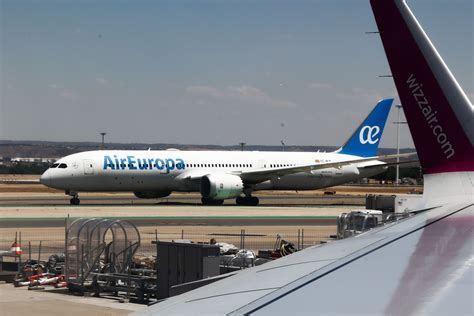
To ensure a safe landing, the aircraft circled at 10,000 feet, performing the critical procedure of fuel dumping — a rare but essential action when a widebody aircraft exceeds its safe landing weight. Thousands of gallons of costly jet fuel vaporized into the atmosphere as passengers peered out in silent dread.
By mid-afternoon, the Boeing 787 descended smoothly back onto the tarmac at Silvio Pettirossi International Airport, engines humming steadily, but tension thick in the cabin. For most, the ordeal seemed over. But fate had other plans.
Second Flight, Second Emergency: Déjà Vu in Paraguayan Skies
Ground crews scrambled into action, refueling the aircraft and conducting expedited technical checks. Airline representatives offered cautious reassurances, urging passengers to prepare for reboarding. After approximately two hours, the sleek Dreamliner roared back to life, lifting once more toward Madrid.
The takeoff proceeded without incident — initially. Yet as the aircraft reached cruising altitude, a sense of déjà vu swept through the cockpit. Another technical issue emerged, forcing the flight crew to once again circle at 10,000 feet and dump fuel into the expansive Paraguayan skies.
For the second time that day, the gleaming Dreamliner — aircraft registration EC-NBM — charted a sorrowful course back to Asunción, its mission to cross the Atlantic now a distant hope.
Aviation Turmoil: Implications for Passengers and Airlines
The twin emergency landings ignited a logistical nightmare. Passengers, now fatigued and fraught with anxiety, scrambled for hotel accommodations or alternative travel arrangements. For Air Europa, the incident represented more than an operational hiccup — it was a seismic blow to its reputation, especially within the high-growth South American market.
Ripple effects cascaded across airline schedules, hotel availability, and connecting flights. European travelers stranded in Paraguay faced uncertainties, while aviation authorities on both continents prepared for in-depth investigations.
The Dreamliner, heralded for revolutionizing long-haul travel, now faced renewed scrutiny.
Dreamliner Under the Microscope: Reliability Concerns Rise
The Boeing 787 Dreamliner epitomizes cutting-edge aviation design, blending fuel efficiency with composite materials and advanced avionics. However, incidents like those involving Flight UX24 rekindle debates about the aircraft’s operational reliability.
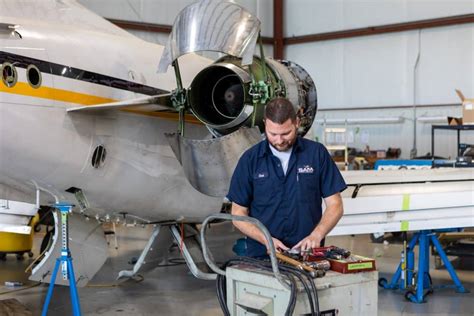
While the Dreamliner boasts a solid safety record, its complex systems demand meticulous maintenance, especially under high-utilization conditions on transatlantic routes. The double emergency landing in Asunción — involving fuel dumping procedures twice in hours — is extraordinarily rare and concerning.
Industry analysts suggest that as Dreamliners age and global fleets experience intense scheduling pressures, isolated technical failures may surface more frequently unless addressed proactively.
Economic Fallout: The High Cost of Aviation Disruptions
The financial repercussions of Flight UX24’s aborted missions extend beyond grounded aircraft. Fuel dumping alone represents a significant economic loss, with thousands of gallons wasted in both diversion attempts. Additionally, airline crews face rescheduling complexities, aircraft rotations are disrupted, and passenger rebooking costs escalate rapidly.
Tourism-dependent sectors in both Paraguay and Spain brace for lost revenue. Stranded travelers often cancel hotel bookings, defer tours, and adjust plans, denting local economies already navigating the fragile 2025 recovery.
Moreover, with Paraguay striving to position itself as a transatlantic aviation hub, such high-profile incidents risk undermining confidence among international travelers.
Passenger Sentiment and the Social Media Storm
Modern air travel operates under a microscope. Social media platforms amplified UX24’s ordeal in real-time, with images of fuel dumps, anxious passengers, and grounded Dreamliners flooding timelines globally.
Airlines know all too well that perception often outweighs statistics. Despite aviation being one of the safest transport modes, visible disruptions — particularly involving advanced aircraft like the 787 — can deter potential flyers.
Business travelers and premium leisure customers, vital revenue streams for long-haul routes, are especially sensitive to operational instability.
Air Europa now faces an uphill battle: restoring public trust, reassuring regulators, and demonstrating that the twin diversions were anomalies — not symptoms of systemic deficiencies.
Aviation Authorities Mobilize: Probing the Incident
Regulatory bodies in both South America and Europe swiftly launched investigations. Silvio Pettirossi International Airport, no stranger to handling emergencies, found its crisis management protocols tested to the limit by two Dreamliner landings within hours.
Authorities will scrutinize maintenance records, pilot reports, and flight data to uncover the root causes behind both technical failures. Until definitive conclusions emerge, speculation swirls across the aviation sector.
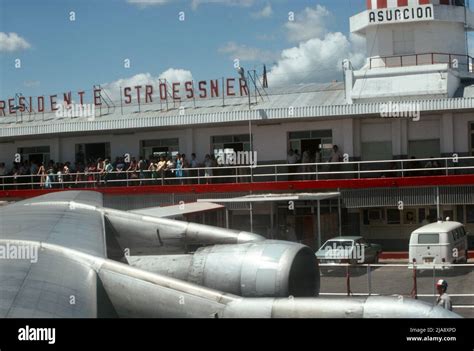
A Fragile Summer for Global Aviation
The 2025 summer travel season was projected to set records, fueled by post-pandemic wanderlust and rebounding airline networks. Yet the industry grapples with persistent aircraft shortages, aging fleets, and intense utilization cycles — a combustible mix for operational challenges.
The Asunción double diversion underscores how even advanced aircraft are vulnerable under such pressures. For travelers, it raises pressing questions: Should aircraft type influence booking choices? Can airlines guarantee reliability amid unprecedented demand?
Industry experts warn that unless systemic maintenance and fleet renewal efforts accelerate, similar disruptions may mar the peak travel season.
The Road Ahead: Lessons from the Sky
As the grounded Dreamliner awaits comprehensive inspections, the global aviation community reflects on the fragility of flight. Crossing oceans at 35,000 feet remains a technological marvel — but one demanding relentless precision.
For Air Europa, the incident is a wake-up call. Transparent communication, meticulous aircraft checks, and reinforced crisis response measures will be pivotal to weathering the reputational storm.
Passengers, meanwhile, board future flights with cautious optimism, reminded that behind every takeoff lies a symphony of engineering — and, sometimes, a hidden vulnerability waiting to surface.
The skies over Paraguay may have calmed, but the echoes of July 1, 2025, reverberate across the aviation world, urging vigilance, accountability, and unwavering pursuit of safety.