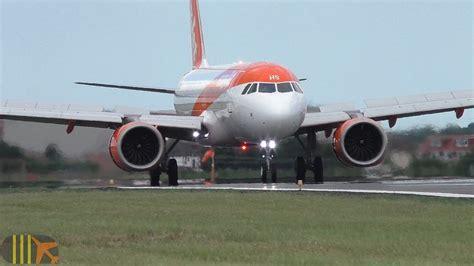
In a rare and unsettling sequence of events, two separate easyJet flights were forced to make emergency landings within a 48-hour window, triggering renewed discussions about aviation safety, fleet maintenance protocols, and the real-world pressure on low-cost carriers in Europe’s busy summer travel corridor. Though no injuries were reported in either case, the nature and timing of these events have drawn attention from both aviation experts and anxious passengers.
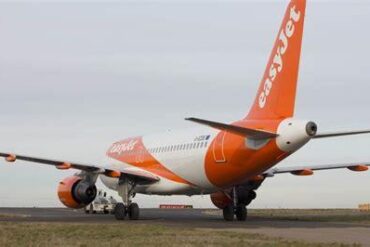
The first incident occurred on June 14, 2025, involving flight EZY2902 en route from Paphos, Cyprus to Bristol, United Kingdom. The following day, another aircraft, flight U22275, bound for Enfidha, Tunisia from Manchester, was diverted to Paris Orly Airport. Both aircraft were Airbus A320s, easyJet’s workhorse model, raising questions about the commonality of issues faced across the fleet.
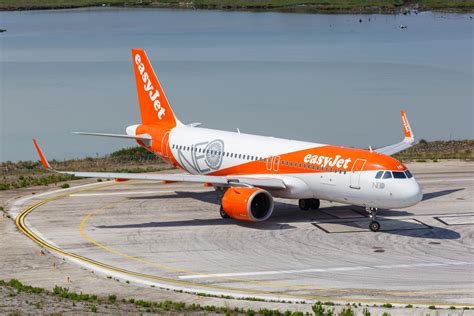
Flight EZY2902: Smoke-Like Smell Triggers Mid-Air Diversion Over Turkey
At 36,000 feet above Turkey, what should have been a routine journey for passengers on flight EZY2902 quickly turned into an unsettling experience. Approximately 80 minutes into the flight, a smoke-like odor was detected within the cabin. The flight crew, trained rigorously for such contingencies, immediately declared an emergency and began a controlled descent.
The aircraft, registered as G-EZGX, diverted to Izmir Adnan Menderes Airport (ADB), where it landed safely. Emergency vehicles lined the tarmac as the passengers were evacuated calmly and systematically. Though visibly rattled, passengers praised the crew’s professionalism in handling the situation.
This Airbus A320 was 6.9 years old, powered by two CFM-56 engines, a configuration widely used in commercial aviation. EasyJet attributed the incident to a “technical issue”, without disclosing further details. Whether it involved the aircraft’s environmental control systems, electrical components, or engine anomalies remains speculative.
Passengers were swiftly accommodated in local hotels and given meals as a replacement aircraft completed the journey to Bristol later that day. It was a textbook example of incident response, but it left lingering doubts about what precisely caused the odor — a critical question that, so far, remains unanswered.
Flight U22275: Mysterious Diversion to Paris Sparks New Concerns
Shockingly, just 24 hours later, easyJet flight U22275 from Manchester to Enfidha, Tunisia became the second in as many days to make an unplanned landing. This time, the aircraft diverted to Paris Orly Airport (ORY) under what easyJet described again as a “technical issue”. No injuries occurred, and the aircraft, registered as G-EZWY, landed safely.
Notably, this Airbus A320 was over 10 years old, adding another variable into the equation — aircraft age and maintenance lifecycle. While age alone is not an indicator of risk (many well-maintained aircraft operate safely beyond 25 years), a pattern of technical anomalies could point to either systemic maintenance challenges or isolated incidents triggered by high-utilization schedules.
easyJet did not disclose whether the two incidents were related, nor did it provide technical clarification about the nature of the issue on U22275. Nonetheless, the aircraft was inspected after landing, and passengers were rerouted with minimal disruption.
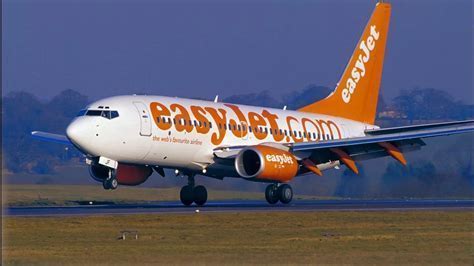
Are These Incidents Connected? Expert Analysis and Fleet Concerns
When two emergency landings occur so close together — both involving the same aircraft model, operated by the same airline — scrutiny is inevitable. Though aviation incidents are not uncommon, multiple emergencies within the same fleet over such a short period almost always prompt internal and regulatory review.
At the core of the concern lies the technical ambiguity. Without detailed explanations, speculation has begun circulating among frequent flyers and industry professionals. Some experts believe these could be random, unlinked mechanical anomalies, exacerbated by increased summer flight frequencies and the pressure placed on aircraft during peak season.
However, another school of thought suggests that the events might signal broader maintenance or system alert discrepancies. Airbus A320s are designed with robust redundancy and diagnostic systems — if two similar aircraft experienced critical enough failures to require diversions, the questions mount around preventive maintenance, predictive analytics, and safety margin thresholds being used across easyJet’s fleet.
The Human Element: Crew Training and Passenger Behavior
Despite the alarming circumstances, reports from both flights highlight a commendable level of calmness and professionalism displayed by the cabin crew. Passengers from flight EZY2902 reported clear communication, organized evacuation procedures, and timely updates from the captain and attendants.
Similar feedback emerged from passengers on flight U22275. Though initially alarmed by the sudden change in flight path, the passengers were kept informed and reassured. Such responses underscore the rigorous training standards followed by commercial flight crews — particularly in low-cost carriers where fast turnaround times and resource constraints can increase pressure.
It’s worth noting that emergency diversions are part of a safety-first policy encouraged by regulators worldwide. Airlines are instructed to err on the side of caution, and easyJet appears to have done precisely that.
How Common Are Emergency Diversions? Context From Aviation Statistics
While the media spotlight often makes such events appear widespread, the truth is more measured. Emergency diversions, while not routine, are a built-in part of aviation protocol. On average, commercial airlines operate tens of thousands of flights daily, and only a small fraction result in emergency landings.
According to EASA (European Union Aviation Safety Agency) data, approximately 1 in every 20,000 flights undergoes an emergency diversion. Most diversions are precautionary rather than reactive — a testament to the effectiveness of onboard systems and crew preparedness.
In easyJet’s case, while two incidents in two days is statistically abnormal, it is not unprecedented. The more important issue lies in how these events are investigated, reported, and resolved internally.
Passenger Impact and Trust in the Brand
For easyJet, a brand synonymous with affordable European air travel, maintaining passenger trust is crucial. The immediate provision of alternate travel, hotel accommodations, and proactive communication have helped mitigate reputational damage. However, in an era where airline brand equity is tightly linked to safety perception, transparency becomes more vital than ever.
Frequent flyers may begin asking whether additional due diligence is needed when booking with any low-cost carrier. easyJet, for its part, will likely increase its internal audits, cross-check fleet data, and possibly escalate findings to airworthiness authorities if systemic patterns are detected.
These steps aren’t just regulatory requirements — they’re essential to retaining passenger confidence in a highly competitive sector.
Regulatory Oversight: What Happens After an Emergency Landing?
Once an emergency landing occurs, particularly with technical causes, airlines are required to file an incident report with aviation authorities in the respective countries. For the two easyJet diversions, this likely involves coordination with:
- Turkey’s Directorate General of Civil Aviation (DGCA)
- France’s Bureau of Enquiry and Analysis for Civil Aviation Safety (BEA)
- UK Civil Aviation Authority (CAA)
These agencies will evaluate flight data, cockpit voice recordings, maintenance logs, and crew interviews to determine causality. Depending on findings, Airworthiness Directives may be issued, requiring airlines to inspect or modify specific components.
However, the public rarely sees these full investigations unless they result in widespread manufacturer bulletins or industry-level alerts. Still, transparency statements from easyJet in the coming weeks may signal whether the incidents were one-offs or part of a deeper issue.
The Bigger Picture: Safety in the Low-Cost Aviation Sector
Low-cost carriers like easyJet operate under tight schedules, lean profit margins, and high aircraft utilization rates. These economic dynamics demand precision in operations, from crew rotation to technical maintenance. While cost efficiency drives the business model, cutting corners in safety is never an option — and regulatory bodies enforce this stringently.
The real challenge lies in balancing operational scale with technical oversight. easyJet’s fleet of over 300 Airbus A320-family aircraft flies to 30+ countries. Ensuring uniform maintenance standards across such a wide geography requires both technological integration and disciplined execution.
For passengers, these twin emergencies serve as a reminder: vigilance, training, and system redundancy remain the cornerstones of aviation safety. Even in budget air travel, the stakes are high, and so is the scrutiny.
Conclusion: A Wake-Up Call or Mere Coincidence?
Whether these back-to-back emergency landings are the result of coincidence, seasonal stress, or hidden technical issues, they have undoubtedly put easyJet under the microscope. The lack of detailed disclosures regarding the root causes adds to public curiosity and expert debate.
However, it must be said: the outcome of both flights — safe landings, calm crews, no injuries — is a testament to aviation safety systems working as designed. The protocols were followed, the passengers were protected, and disruption was minimized.
Still, for easyJet and its millions of loyal passengers, clarity and corrective action will be key in the days ahead. As investigation findings surface and fleet operations continue, the airline’s next steps could shape not just public trust, but the broader perception of safety in the world of low-cost air travel.