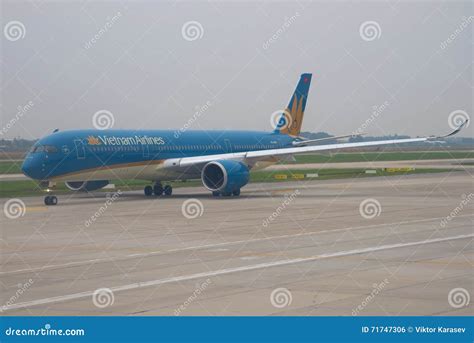
As Typhoon Wipha surges toward the northern coast of Vietnam with increasing ferocity, the Vietnam Airlines Group—comprising Vietnam Airlines, Pacific Airlines, and VASCO—has initiated a sweeping operational overhaul aimed at preserving passenger safety and minimizing travel disruption. This high-stakes response marks one of the most comprehensive emergency actions taken by the airline group in recent years, and underscores the immense challenges posed by natural disasters to air travel in Southeast Asia.
Typhoon Wipha’s Threat Intensifies Across Northern Vietnam
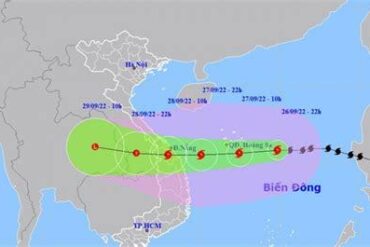
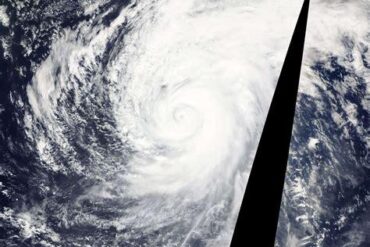
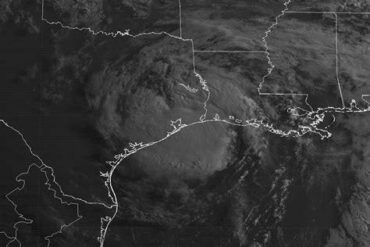
The typhoon, currently barreling toward Vietnam’s north with level 11 winds and gusts reaching level 14, is set to impact densely populated areas including Hanoi, Hai Phong, and surrounding provinces. According to the Aviation Meteorological Centre of the Vietnam Air Traffic Management Corporation, the storm’s eye is projected to hover approximately 250 kilometers from Noi Bai International Airport between 9:00 PM and midnight on July 21, causing serious turbulence, reduced visibility, and adverse weather conditions across regional airports.
This powerful convergence of wind and rain poses substantial risks to take-offs, landings, and taxiing operations. Meteorological forecasts indicate that visibility could drop to as low as 1.3 kilometers, seriously impairing airport ground movement and flight sequencing through July 21 and 22. The looming weather system demands rigorous operational foresight and seamless coordination among airline units, air traffic control, and emergency services.
Strategic Flight Cancellations and Rescheduling Measures
In direct response to the evolving threat, Vietnam Airlines Group executed a detailed schedule overhaul designed to reduce potential exposure to turbulent weather and mitigate logistical fallout. Key domestic and international routes were affected:
- Vietnam Airlines canceled multiple high-volume flights connecting Ho Chi Minh City and Hai Phong, including VN1188, VN1171, VN7188, VN7189, VN7056, and VN7057.
- Flights to Con Dao—another popular domestic route—were also suspended, impacting VN1856 and VN1857.
- Pacific Airlines proactively rescheduled BL6440 and BL6441 to ensure they arrived at Cat Bi Airport before noon on July 21, escaping the typhoon’s most dangerous window.
- Additional flights, BL6520 and BL6521, were outright canceled to avoid flying into hazardous conditions.
Further, no flights from Cat Bi Airport will depart before 12:00 PM on July 22, with operations expected to resume cautiously in the afternoon. This decision reflects forecasts that indicate the typhoon’s peak disruption will occur in the morning hours of that day. The group’s carefully phased response plan highlights its agile ability to adapt flight schedules in near-real time based on meteorological data.
Prioritizing Passenger Safety: Turbulence Protocols and Advisories
Passenger safety remains the paramount priority for the Vietnam Airlines Group. As part of their storm mitigation plan, the airline issued stringent in-flight safety advisories, urging passengers to keep seat belts fastened at all times, regardless of the seatbelt sign status. These warnings are not merely precautionary; they are critical given the typhoon’s unstable atmospheric behavior, which can generate sudden and violent pockets of turbulence, especially during descent and climb phases.
Flight crews are being briefed continuously with updated weather intel, and cockpit protocols have been revised to account for possible wind shear, low-level turbulence, and rapid changes in barometric pressure. Vietnam Airlines Group’s flight safety teams are working in tandem with air traffic authorities to assess which regional approaches and departure corridors remain viable under the developing storm scenario.
Heavy Rainfall and Ground Operation Delays at Noi Bai International Airport
The impact of Typhoon Wipha extends beyond the skies. Moderate to heavy rainfall is projected to drench Noi Bai International Airport and nearby aviation hubs through July 22. Rain accumulation, in tandem with high winds, will hinder crucial ground operations such as refueling, baggage handling, catering, and aircraft taxiing. These constraints are likely to generate ripple-effect delays that impact flight readiness even after the storm’s eye has passed.
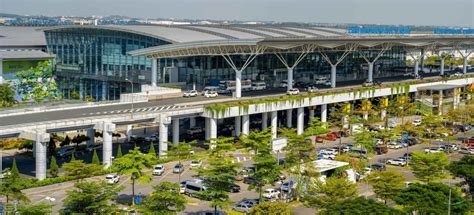
The reduction in operational efficiency at major gateways like Noi Bai places a significant strain on Vietnam Airlines Group’s hub-and-spoke network, particularly in coordinating delayed aircraft positioning and turnarounds. The situation has prompted the group to reallocate ground personnel and support equipment to optimize limited service windows during intermittent weather clearings.
Passenger Services and Real-Time Communication
Vietnam Airlines Group has deployed a multi-channel passenger support system to ensure travelers remain fully informed throughout the storm event. Affected passengers are being contacted via SMS, email, mobile app push notifications, and official website alerts. The airline has also boosted staffing levels at customer service centers to handle the increased volume of rebooking, cancellations, and inquiries.
The group is urging passengers to:
- Check flight status regularly through official digital channels.
- Arrive at the airport earlier than usual to accommodate extended check-in times.
- Stay flexible with travel plans and be prepared for last-minute changes.
This open communication strategy plays a pivotal role in mitigating traveler frustration and aligning expectations. By maintaining a transparent, real-time dialogue, the Vietnam Airlines Group aims to uphold trust and reinforce its commitment to service continuity under pressure.
Aviation Industry’s Broader Challenge: Natural Disasters and Operational Resilience
Typhoon Wipha underscores a pressing issue confronting global aviation: climate-related disruption. As Southeast Asia becomes increasingly susceptible to extreme weather events, airlines must adapt with smarter forecasting tools, agile scheduling systems, and more resilient infrastructure. For Vietnam Airlines Group, this storm is not just a test of emergency response but a clarion call to reinforce disaster preparedness strategies across its network.
In recent years, typhoons have repeatedly exposed the vulnerability of Vietnam’s air transportation grid. Lessons from Wipha’s impact may trigger deeper investment in runway drainage systems, backup energy solutions at airports, and predictive maintenance schedules to better withstand climate stressors.
Looking Ahead: What Travelers Should Expect in the Coming Days
The coming 48 hours remain critical. While the bulk of the storm is expected to pass by the evening of July 22, residual weather effects—including delayed jet stream normalization, inbound aircraft diversions, and airport backlog—may cause lingering disturbances through July 23 and beyond.
Vietnam Airlines Group has stated that it will continue to adapt schedules dynamically as more information becomes available. The group is prepared to add supplementary recovery flights to high-demand routes once conditions stabilize, and will prioritize rebooking affected passengers as swiftly as possible.
Passengers scheduled to travel through northern Vietnam are advised to monitor conditions closely and maintain ongoing communication with their airlines. Vietnam Airlines Group will release periodic bulletins to update the public on flight availability, weather advisories, and recovery operations.
Final Words: A Swift, Coordinated Response Under Fire
In the face of a severe and fast-moving natural event, Vietnam Airlines Group’s rapid operational pivot has thus far proven decisive. The cancellation of flights ahead of storm impact, the realignment of departure times to avoid turbulent windows, and the elevation of passenger safety as a top-tier priority all reflect the airline’s ability to respond under pressure. While flight disruptions are inevitable in the wake of such intense weather, the airline’s proactive measures have undoubtedly reduced risk and safeguarded lives.
The next few days will determine the full extent of Typhoon Wipha’s disruption. But one thing is already clear: Vietnam Airlines Group has demonstrated that in the modern era of unpredictable climate events, safety-first flight strategy backed by real-time decision-making is not just a contingency plan—it is a necessity for survival in aviation.