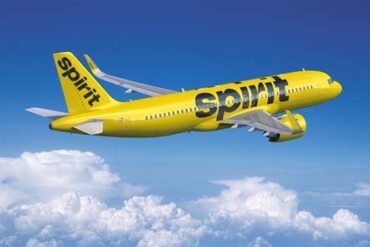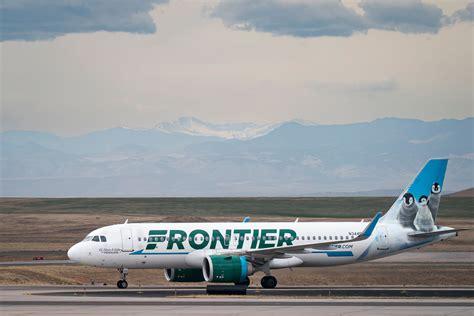
Frontier Airlines delivered a stronger-than-expected second-quarter performance, reporting record revenue of $1.28 billion as the ultra-low-cost carrier benefited from rising fares, solid travel demand, and a more favorable competitive environment. Company executives credited the improved results partly to what they described as “favorable competitive capacity” following the collapse and liquidation of Spirit Airlines, one of Frontier’s largest low-cost rivals.
The earnings report highlights a major shift in the US domestic airline market, where reduced capacity among discount carriers has changed pricing dynamics. With fewer airlines competing aggressively for leisure travelers, Frontier has gained more flexibility in setting fares while maintaining passenger growth. The company’s performance suggests that the airline is beginning to benefit from a less crowded marketplace after years of intense fare competition.
Reduced Competition Helps Frontier Airlines Strengthen Revenue Growth
Frontier Airlines achieved its highest-ever quarterly revenue despite operating in a challenging cost environment. The carrier reported that average fares increased by more than 50% year over year, while passenger numbers grew by approximately 14%. This combination of higher pricing and stronger demand allowed Frontier to significantly improve its financial position compared with previous expectations.
Although the airline recorded an adjusted net loss of $22 million, or $0.10 per share, the result was substantially better than Wall Street forecasts, which had predicted a loss of approximately $0.48 per share. The improvement demonstrated that Frontier’s revenue growth was helping counterbalance higher expenses affecting the aviation industry.
The departure of Spirit Airlines from the market played an important role in Frontier’s improved unit revenue performance. Spirit’s previous strategy of offering extremely low fares created significant pricing pressure among competing ultra-low-cost carriers. With that capacity removed, Frontier has been able to capture more revenue from existing routes and improve its profitability potential.
Executives stated that stronger pricing conditions contributed to higher Revenue per Available Seat Mile (RASM), a key airline industry measurement that reflects pricing power and operational efficiency. Frontier expects this metric to continue improving, with CEO and President Jimmy Dempsey highlighting continued momentum heading into the third quarter.
Fuel Costs Remain a Major Challenge for Frontier’s Profitability
Despite strong revenue growth, Frontier Airlines continues to face significant financial pressure from rising operating expenses, particularly fuel costs. During the second quarter, the airline’s fuel expense nearly doubled compared with the previous year, reaching approximately $436 million.
The average fuel price paid by Frontier increased to around $4.17 per gallon, creating a major challenge for the carrier’s margins. Like many airlines, Frontier has been forced to balance higher operating costs with stronger ticket prices and improved demand.
Management noted that the improved pricing environment has helped offset some of the fuel-related pressure. However, fuel remains one of the company’s biggest uncertainties as global energy markets continue to influence airline profitability.
Frontier expects fuel prices to moderate in the second half of the year, forecasting average costs of approximately $3.70 per gallon in the third quarter and $3.50 per gallon in the fourth quarter, assuming market conditions remain stable. Lower fuel expenses could provide additional support as the airline attempts to return to sustainable profitability.
Fleet Modernization Supports Frontier Airlines’ Long-Term Strategy
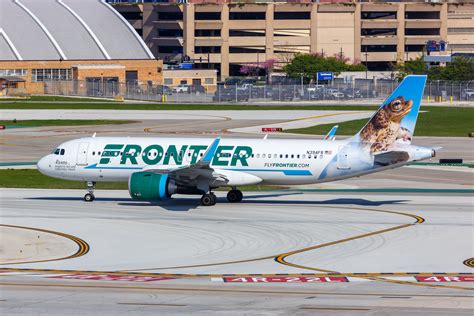
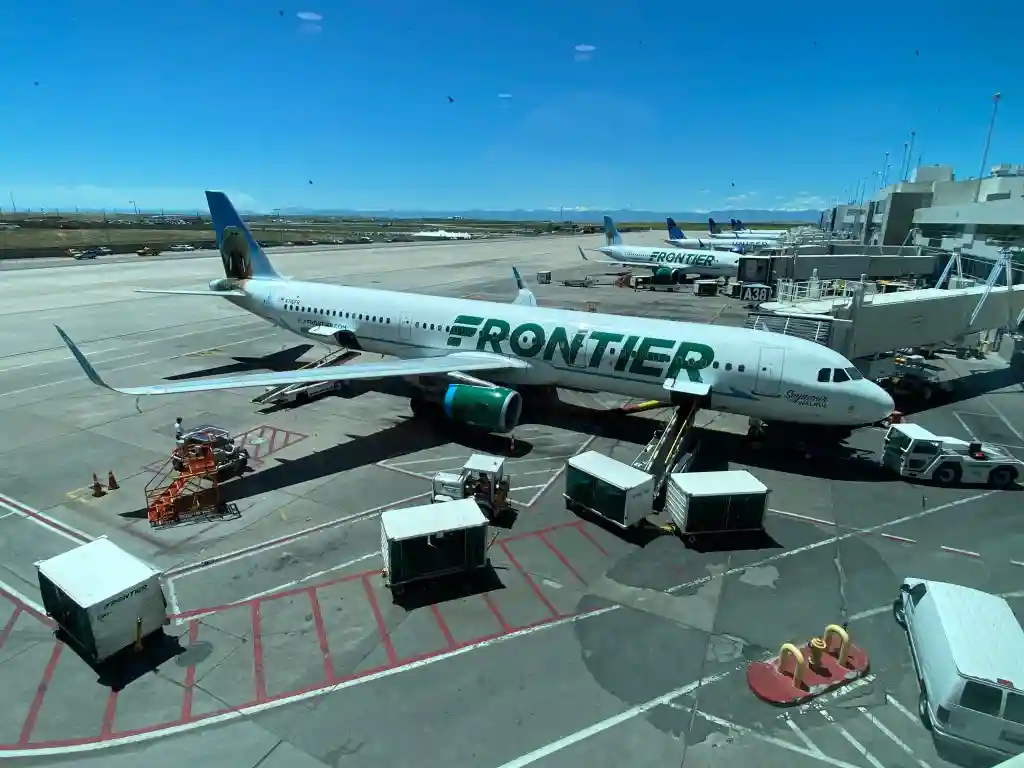
Alongside improving market conditions, Frontier continues investing in its modern and efficient fleet strategy. The airline operates primarily Airbus A320 family aircraft, including newer A320neo and A321neo models designed to reduce fuel consumption and improve operating efficiency.
By expanding its next-generation narrowbody fleet, Frontier aims to control costs while supporting future network growth. Newer aircraft provide improved fuel efficiency compared with older models, which is especially important for an airline operating a low-cost business model where small cost advantages can have a significant impact.
As of 2026, Frontier’s fleet includes more than 180 aircraft in service, with additional Airbus A320neo family aircraft on order. These future deliveries are expected to strengthen the airline’s ability to expand routes while maintaining competitive operating costs.
The fleet strategy also aligns with Frontier’s broader goal of maintaining an ultra-low-cost structure. Efficient aircraft allow the airline to offer affordable fares while protecting margins during periods of economic uncertainty.
Frontier Airlines Issues Positive Third-Quarter Outlook
Frontier’s confidence in the current market environment was reflected in its third-quarter earnings guidance. The company forecast results ranging from a loss of $0.10 per share to a profit of $0.10 per share, outperforming analyst expectations for a larger loss of approximately $0.29 per share.
The airline also projected another period of double-digit RASM growth, indicating that management believes favorable pricing trends will continue through the busy summer travel season. Strong leisure demand and reduced industry capacity remain key factors supporting this outlook.
Executives acknowledged that fuel prices, consumer spending patterns, and broader economic conditions could still influence future results. However, they emphasized that disciplined capacity management and stronger pricing power have created a more attractive operating environment compared with the previous year.
Frontier Benefits From a Changing US Airline Landscape
Frontier Airlines’ second-quarter results reflect a broader transformation within the US airline industry. For years, ultra-low-cost carriers competed aggressively by adding capacity and lowering fares to attract price-sensitive travelers. The removal of Spirit Airlines has changed that balance, allowing remaining carriers to operate with less direct fare pressure.
While it remains unclear whether the current pricing environment will continue over the long term, Frontier has emerged as one of the largest beneficiaries of the market shift. The airline’s record revenue, improved pricing performance, and positive outlook indicate that its strategy is gaining momentum.
The company’s challenge now will be converting stronger revenue into consistent profitability. Managing fuel costs, maintaining disciplined capacity growth, and continuing fleet modernization will determine whether Frontier can sustain its improved financial position.
For now, the airline appears well positioned in a reshaped competitive landscape, with Spirit’s exit providing an unexpected opportunity to strengthen its role among America’s leading ultra-low-cost carriers.