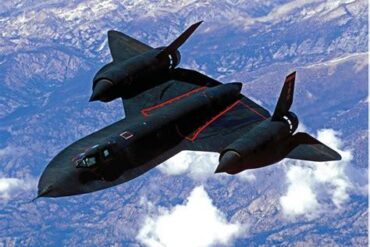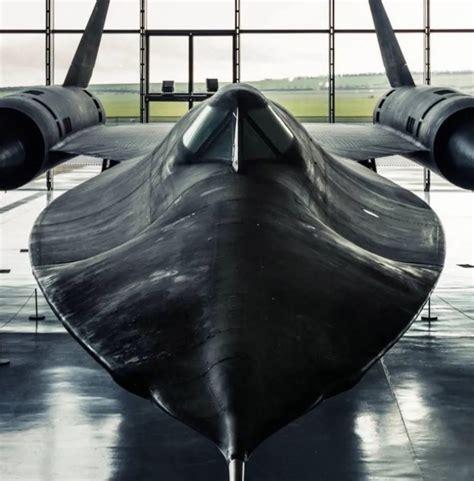
More than two decades after the SR-71 Blackbird made its final flight, one of the most legendary aircraft in aviation history is suddenly at the center of renewed speculation. NASA Administrator Jared Isaacman has expressed interest in rebuilding the agency’s X-plane program around aircraft capable of flying higher, faster, and farther, while NASA has used imagery resembling the Blackbird to promote that effort.
The timing has become particularly intriguing because a historic SR-71 has reportedly disappeared from public display at NASA’s Armstrong Flight Research Center in California. The aircraft is SR-71 tail number 844, the last Blackbird built and the final example of the type to fly. Its relocation has naturally raised questions about whether NASA is preparing the aircraft for restoration or a more ambitious research project.
Why the SR-71 Blackbird Still Matters
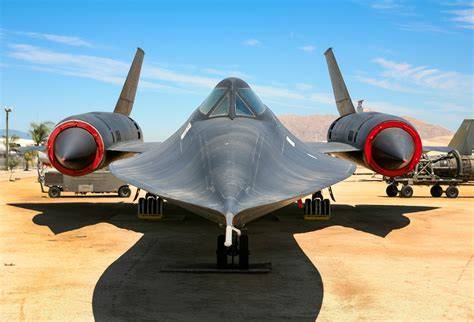
The Lockheed SR-71 Blackbird first flew more than 60 years ago, yet its distinctive black titanium fuselage still looks remarkably futuristic. Only 32 Blackbirds were built, making the aircraft both exceptionally rare and historically significant.
Designed for strategic reconnaissance, the SR-71 relied on extraordinary speed and altitude to reduce the opportunity for interception. Its ability to operate at roughly Mach 3 made it one of the fastest crewed aircraft ever placed into operational service. Even after its retirement, many of its achievements remained benchmarks for high-speed aviation.
The Blackbird also had a close relationship with NASA. Several aircraft were used in the agency’s research programs, allowing engineers and pilots to investigate aerodynamics, propulsion, and flight conditions that ordinary aircraft could not reproduce.
NASA’s X-Plane Program Could Revive Blackbird Technology
NASA’s renewed interest in the X-plane program provides the strongest context for the current speculation. The agency has historically used experimental aircraft to investigate technologies that could eventually influence future aviation, from supersonic flight to advanced propulsion and unconventional aerodynamic designs.
The X-59 is the most prominent recent example, but Isaacman’s vision appears broader. A future generation of experimental aircraft could explore performance envelopes that once belonged primarily to Cold War reconnaissance aircraft.
That makes the SR-71 particularly useful as an engineering reference. NASA could potentially restore tail 844 to its original configuration, modify it for experimental work, or use its structure and systems as a foundation for studying a new aircraft.
The Missing SR-71 Creates More Questions
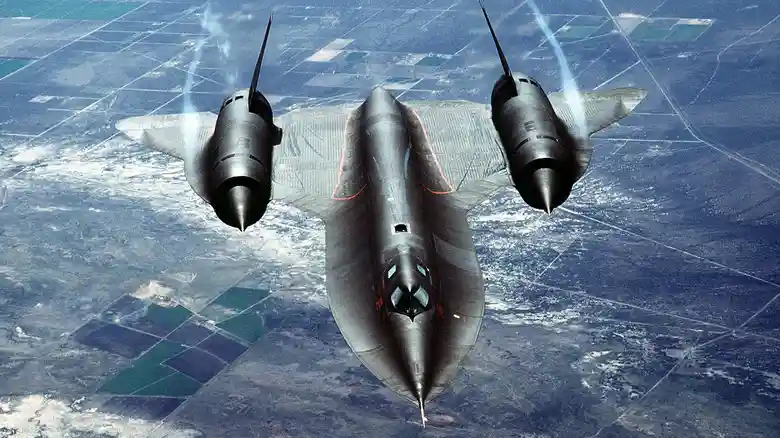
The relocation of SR-71 844 is significant because this is not an ordinary museum example. It was the last SR-71 constructed and the last Blackbird to fly. That history makes the aircraft an obvious candidate for preservation, restoration, or renewed research.
NASA has not publicly confirmed exactly why the aircraft was moved or what its future role might be. Reports that the agency has contacted former SR-71 engineers have added another layer to the story, although the precise scope of their involvement remains unclear.
The possibilities therefore range from a conventional restoration to something much more experimental, including potential unmanned operation or the use of the aircraft as an engineering study for a new high-speed X-plane.
A Blackbird Return Would Mean More Than Nostalgia
A genuine return to flight would be extraordinary, but the more important development could be what NASA learns from the aircraft. The original SR-71 represented an exceptional combination of high-temperature materials, advanced aerodynamics, powerful engines, and extreme-speed flight operations.
Whether tail 844 flies again or simply contributes to the development of a successor, its potential involvement suggests that technologies pioneered during the Blackbird era could once again influence experimental aviation.
For now, NASA has not confirmed a new SR-71 flight program. But with the aircraft relocated, former engineers reportedly being consulted, and a renewed push for advanced X-planes, the world’s fastest spy plane has once again become one of aviation’s most intriguing unfinished stories.