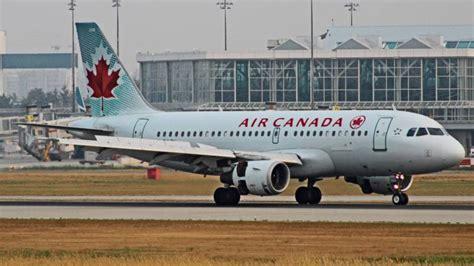
Air Canada is ending its only nonstop route between Canada and Algeria, removing its Montreal–Trudeau International Airport (YUL)–Houari Boumediene Airport (ALG) service from its reservation system for both summer 2026 and summer 2027. The decision means Air Algérie will become the only airline offering a nonstop connection between Montreal and Algiers, giving Algeria’s flag carrier an increasingly important position in a market supported by a large diaspora, tourism, and commercial ties.
The cancellation is part of a wider network adjustment by Air Canada as the airline responds to substantially higher jet fuel prices and weaker profitability on selected routes. The carrier has said that the changes represent roughly 1% of its annual available seat miles. While the Montreal–Algiers route was initially removed from the 2026 schedule with plans for a return in 2027, Air Canada has now extended the suspension, effectively ending the service for the foreseeable future.
The development is particularly notable because Montreal and Algiers have an unusually strong cultural and demographic connection. Montreal is home to a substantial Algerian community, creating a steady base of visiting-friends-and-relatives traffic in addition to leisure and business demand. With Air Canada leaving the market, Air Algérie is positioned to carry a much larger share of this traffic while preparing to expand its long-haul fleet with Airbus A330neos.
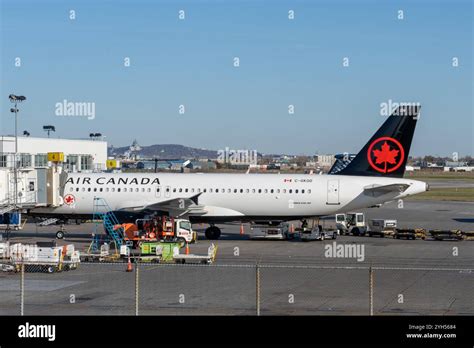
Air Canada Extends Montreal–Algiers Suspension Into 2027
Air Canada’s withdrawal from Algiers has developed in stages rather than through one immediate cancellation. The airline initially removed the Montreal–Algiers route from its summer 2026 schedule, citing the impact of sharply higher fuel prices on routes that were already struggling to meet profitability targets.
At the time, Air Canada intended to restore the service in 2027. The planned restart was scheduled for June 2, 2027, with an Airbus A330-300 operating four flights per week. The latest schedule change eliminates that planned return, meaning customers can no longer book Air Canada’s nonstop service between Montreal and Algiers for either summer season.
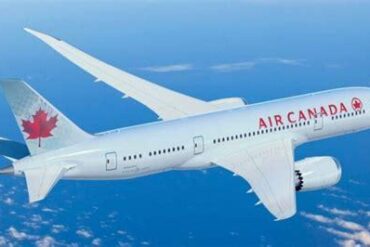
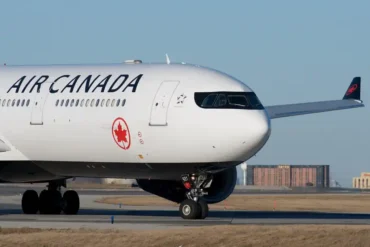
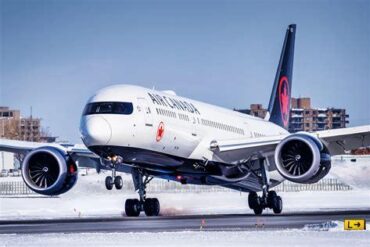
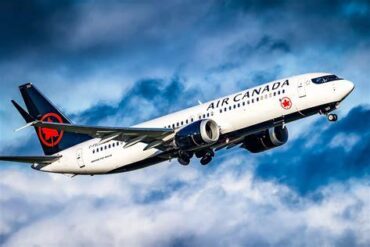
Air Canada had operated the route with its Airbus A330-300, a widebody aircraft well suited to the long transatlantic sector. The aircraft offered substantially more capacity than a narrowbody jet and allowed the airline to combine visiting-friends-and-relatives traffic with tourism and business demand. However, a large aircraft also creates greater exposure to fuel costs when demand or fares are not strong enough to support the operation.
The timing of the decision is closely connected to the airline’s broader response to higher fuel costs. In an April 2026 statement, Air Canada said jet fuel prices had doubled since the beginning of the Iran conflict, forcing the airline to make schedule adjustments, including frequency reductions and suspensions on routes that had become economically difficult to operate.
That explanation provides the immediate reason for the cancellation, although the longer-term economics of Montreal–Algiers are less straightforward. The route serves a highly concentrated market with substantial diaspora traffic, but it also faces competition from connecting carriers, particularly Air France through Paris Charles de Gaulle. Air Canada’s decision therefore removes a direct option from a market where indirect alternatives remain available.
Air Canada Is Cutting Several Routes as Fuel Costs Rise
The Montreal–Algiers cancellation is not an isolated network decision. Air Canada has been reducing or modifying several routes as it attempts to protect its profitability against higher operating costs.
The airline’s announced changes include the suspension of Vancouver–Fort McMurray, Toronto–Yellowknife, and Toronto–Salt Lake City, along with seasonal suspensions involving Toronto and Montreal to New York’s John F. Kennedy International Airport. Air Canada has also scrapped its planned Montreal–Guadalajara service.
Together, these changes account for approximately 1% of Air Canada’s annual available seat miles. The relatively small percentage is important because it indicates that the carrier is not undertaking a wholesale retreat from international flying. Instead, the strategy is focused on individual routes and frequencies where the economics have become less attractive.
For customers, however, a small network reduction can have an outsized impact when the affected route serves a specialized community. Montreal–Algiers falls into that category. There are alternatives for reaching Algeria, but passengers who previously valued the convenience of a nonstop Air Canada flight will now need to use Air Algérie or connect elsewhere.
The loss also reduces the geographic reach of Air Canada’s African network. Once the Algiers service disappears, Montreal–Casablanca will remain Air Canada’s only nonstop connection between Canada and Africa. That route currently operates three times weekly using an Airbus A330-300.
Montreal–Casablanca Remains Air Canada’s African Link
Air Canada’s Montreal–Casablanca service has a considerably longer history within the carrier’s network. The airline announced the route in 2016, making it its first direct service to Africa. It initially operated through Air Canada Rouge using a Boeing 767-300ER before becoming more firmly integrated into Air Canada’s international network.
The route was designed to serve several overlapping markets, including tourism, business travel, and the large Moroccan community in the Montreal region. The historic relationship between Quebec and Morocco also provided a foundation for year-round commercial and personal travel.
The survival of Casablanca while Algiers disappears illustrates how airlines can treat seemingly similar markets very differently. Both cities provide access to large North African populations and have substantial ties with Montreal, but the economics of individual routes depend on factors including fares, connecting opportunities, aircraft utilization, competition, and seasonal demand.
Air Canada’s continued presence in Casablanca also means passengers traveling between Montreal and Algeria can potentially use connecting itineraries through other North African or European hubs. Nevertheless, those options do not replicate the convenience of a direct Montreal–Algiers flight.
For passengers traveling primarily to Algiers, the most significant change is therefore not the disappearance of air connectivity between the two countries. It is the loss of Air Canada’s nonstop option, leaving Air Algérie as the only carrier operating directly between Montreal and Algiers.
Air Algérie Becomes the Sole Nonstop Montreal–Algiers Airline
Air Algérie now occupies an unusually strong position on the route. The Algerian flag carrier is the only airline maintaining a nonstop connection between Montreal and Algiers, with the service operating year-round.
The airline’s Montreal flights are also its only transatlantic operation, making the Canadian route strategically important to its international network. According to the published schedule, Air Algérie operates the service on Tuesday, Wednesday, Thursday, and Friday.
Flights AH2700 depart Algiers at 10:10 and arrive in Montreal at 13:10, while AH2701 returns from Montreal at 15:10 and reaches Algiers at 05:00 the following day. The schedule gives Air Algérie four weekly opportunities to serve a market that will no longer have a direct Canadian competitor.
The airline’s position is particularly interesting because it is simultaneously adjusting other parts of its network. Air Algérie recently moved its London operation from Heathrow to Stansted, with its final Heathrow flight operating on March 28. The carrier previously operated four weekly Heathrow services, with affected passengers transferred to flights at Stansted.
That change demonstrates that Air Algérie is not simply expanding everywhere at once. It is reallocating capacity and reshaping its international network while retaining markets it considers strategically important.
Montreal appears to fall firmly into that latter category.
A Large Algerian Diaspora Supports the Route
One of the strongest reasons for maintaining a direct Montreal–Algiers connection is the size of the Algerian community in the Montreal area. Canada’s 2021 census recorded approximately 73,000 people of Algerian descent in the Montreal region, creating a substantial pool of potential visiting-friends-and-relatives traffic.
This type of demand is particularly valuable to airlines because it can generate travel throughout the year rather than relying exclusively on conventional leisure tourism. Passengers visiting relatives may travel during school holidays and major celebrations, while business travelers and other passengers can provide additional demand outside traditional vacation periods.
The linguistic connection is also significant. Montreal is the largest French-speaking city in Canada, while French remains widely used in Algeria alongside Arabic and Tamazight. That shared linguistic environment makes the route especially relevant to passengers traveling for family, commercial, educational, and cultural reasons.
The economic relationship between Canada and Algeria adds another layer. Bilateral trade has been substantial, creating a flow of corporate travelers in addition to personal travel. For a route linking two markets with established communities and commercial connections, nonstop air service can be more than a leisure convenience.
Air Canada’s withdrawal therefore does not mean that demand has disappeared. Instead, the airline’s decision reflects the economics of serving that demand with its own aircraft at a time when fuel and other operating costs have become more challenging.
Air France Remains a Major Connecting Competitor
Although Air Algérie will be the only nonstop operator, it is not the only airline competing for Montreal–Algiers passengers.
Air France provides an important alternative through its Paris Charles de Gaulle hub. Passengers can travel from Montreal to Paris and then continue to Algeria, giving Air France access to the same broad origin-and-destination market without operating a nonstop Montreal–Algiers flight.
Air France has reportedly reached market shares of as much as 40% on the broader route market at peak periods. Its extensive network between Canada, France, and Algeria gives it a structural advantage in connecting traffic.
The distinction between nonstop and connecting competition is important. Air Algérie now controls the only direct option, but passengers remain able to choose connecting itineraries based on price, schedule, loyalty benefits, baggage arrangements, and onward connections. Air Canada’s withdrawal therefore strengthens Air Algérie’s position without eliminating competition altogether.
For Air Algérie, however, the removal of a major Canadian competitor provides an opportunity to consolidate its role as the primary airline linking Montreal with Algeria.
Air Algérie Is Preparing for More Airbus A330neos
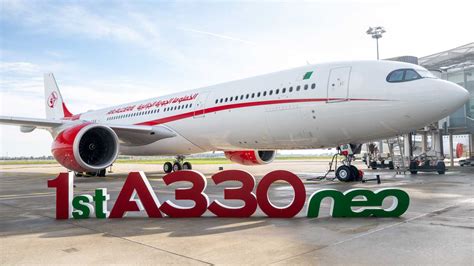
The airline’s decision to retain Montreal comes as it prepares for a significant fleet modernization. Air Algérie has ordered 10 Airbus A330neo aircraft, alongside additional Boeing 737 MAX 9 aircraft and 16 ATR 72-600 turboprops.
The A330neo is particularly relevant to the Montreal market. It is a modern widebody designed for long-haul operations, combining improved fuel efficiency with substantial passenger capacity. For an airline operating a limited number of long-distance international routes, the aircraft can provide a way to expand capacity while replacing or complementing older-generation widebodies.
Air Algérie’s existing widebody fleet is centered on Airbus A330 aircraft, making the A330neo a relatively logical progression. The newer aircraft can also support the airline’s ambitions to strengthen its long-haul network while controlling operating costs.
The arrival of additional A330neos could eventually give Air Algérie more flexibility on routes such as Montreal. Whether that translates into higher frequencies, larger capacity, or the deployment of newer aircraft will depend on the airline’s future network planning and demand.
The broader fleet program also shows that Air Algérie is pursuing a mixed strategy. Its ATR 72-600 order supports domestic and regional flying through its Domestic Airlines subsidiary, while the 737 MAX 9 provides additional narrowbody capacity and the A330neo order supports longer international routes.
What Air Canada’s Withdrawal Means for Montreal and Algiers
The end of Air Canada’s Montreal–Algiers service changes the competitive balance of an important transatlantic market. Air Algérie becomes the sole nonstop operator, while connecting airlines such as Air France remain available to passengers willing to travel through another hub.
For Montreal’s Algerian community, the practical effect will be especially noticeable. A direct flight can save several hours compared with a connection, reduce the risk of missed onward flights, and simplify travel for families carrying substantial baggage or traveling with children.
For Air Canada, meanwhile, the decision fits a broader effort to reduce exposure to routes that do not generate sufficient returns under higher fuel prices. The airline’s continued operation of Montreal–Casablanca suggests that it is not abandoning North Africa altogether, but rather concentrating its limited long-haul capacity where it sees stronger economics.
The most interesting question now is how Air Algérie responds to its new position. With Air Canada no longer returning to Montreal–Algiers in summer 2027 and 10 A330neos on order, the Algerian flag carrier has both a market opportunity and new aircraft with which to pursue it.
The route’s underlying demand has not disappeared. Instead, the competitive landscape has changed. Air Canada has stepped away, Air France continues to compete through Paris, and Air Algérie now holds the only nonstop link between Montreal and Algiers. With newer widebodies entering its fleet, the carrier has an opportunity to make that connection an even more important part of its long-haul network.