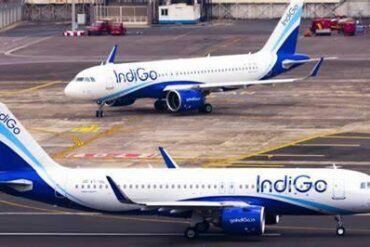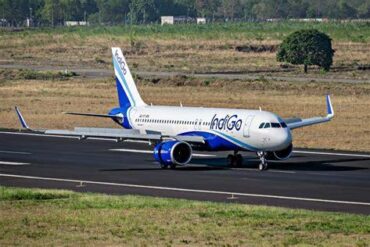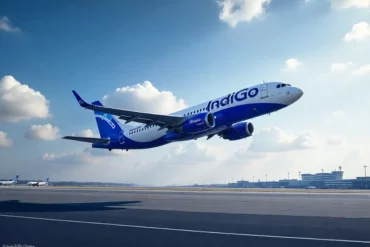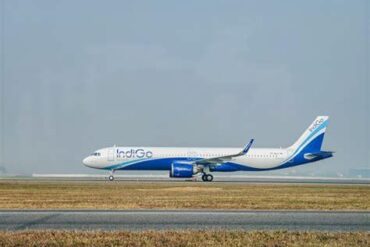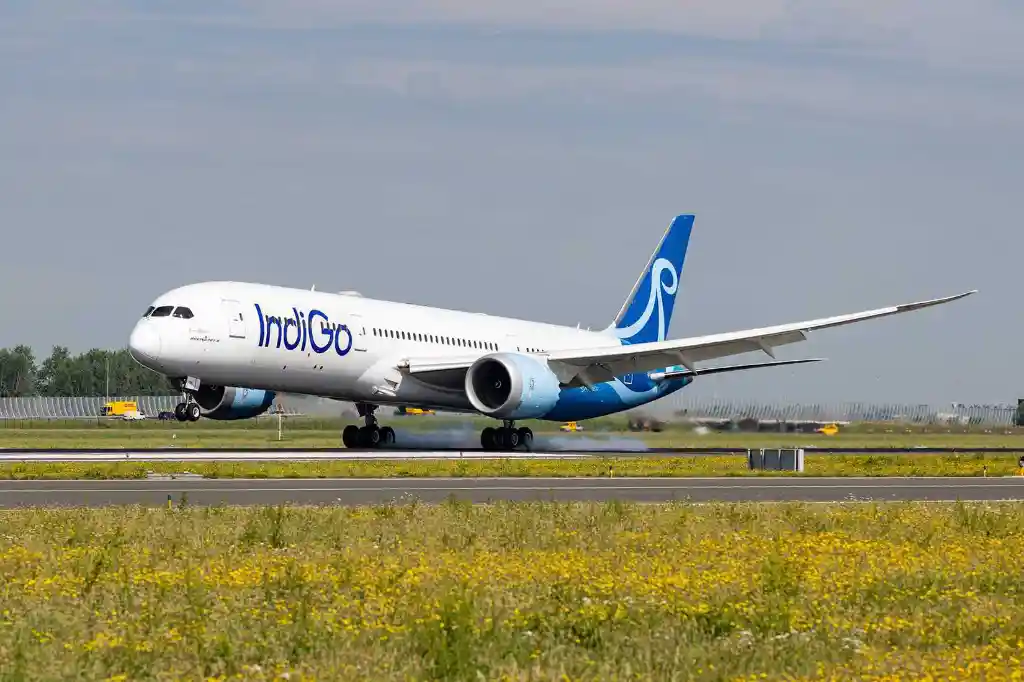
IndiGo is scaling back its ambitious Mumbai–Amsterdam nonstop A321XLR service this winter, reducing the route from a planned daily operation to just three flights per week. The change is significant because the Airbus A321XLR is being asked to cover an exceptionally long sector while IndiGo manages the transition between its leased Boeing 787-9 fleet and the arrival of its own Airbus A350-900 aircraft.
The route connects Chhatrapati Shivaji Maharaj International Airport (BOM) with Amsterdam Schiphol Airport (AMS), one of Europe’s most important and heavily slot-constrained airports. IndiGo originally launched the service in July 2025 using its temporary widebody strategy, but the airline now faces a period in which it will no longer have those Boeing 787-9 aircraft available.
The resulting operation is unusual. Rather than abandoning Amsterdam altogether, IndiGo will use its Airbus A321XLR to preserve the route and, crucially, maintain access to its valuable Schiphol slots. The aircraft will operate with a substantial payload restriction, allowing the airline to continue offering a nonstop service despite the route’s demanding distance and operating conditions.
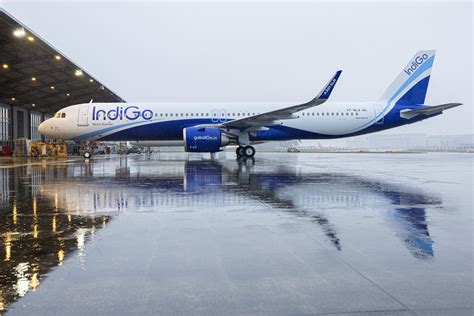
IndiGo Mumbai Amsterdam A321XLR Flights Are Being Cut
IndiGo had planned to operate the Mumbai–Amsterdam A321XLR service daily during the upcoming winter schedule. That plan has now been reduced to three weekly flights, operating on Wednesdays, Fridays and Sundays. The lower frequency means a single A321XLR can cover the operation, while the airline continues to hold its Amsterdam presence during the period before its new widebody aircraft arrive.
The published schedule retains an unusually long 11-hour westbound block time. Flight 6E21 is scheduled to depart Mumbai at 6:30 a.m. and arrive in Amsterdam at 1:00 p.m. local time. The return, flight 6E22, leaves Amsterdam at 2:00 p.m. and reaches Mumbai at 4:10 a.m. the following day, with a scheduled block time of 9 hours and 40 minutes.
The one-hour turnaround at Amsterdam is particularly notable for an aircraft operating such a long sector. The schedule effectively makes careful aircraft utilization essential, because the same A321XLR must cover both directions while maintaining the three-day-per-week pattern.
Why the A321XLR Needs 11 Hours From Mumbai to Amsterdam
The headline block time does not simply reflect the physical distance between India and the Netherlands. The route is affected by restrictions on using certain airspace, with flights avoiding areas associated with Russia, Ukraine and Iran. A routing through Saudi Arabia and Egypt toward Europe can add considerable mileage compared with a more direct great-circle path.
The resulting flight path is estimated at roughly 4,200 nautical miles, or about 7,779 kilometers. That presents a major challenge for an aircraft whose practical operating range depends heavily on its configuration, payload, winds, reserves and routing.
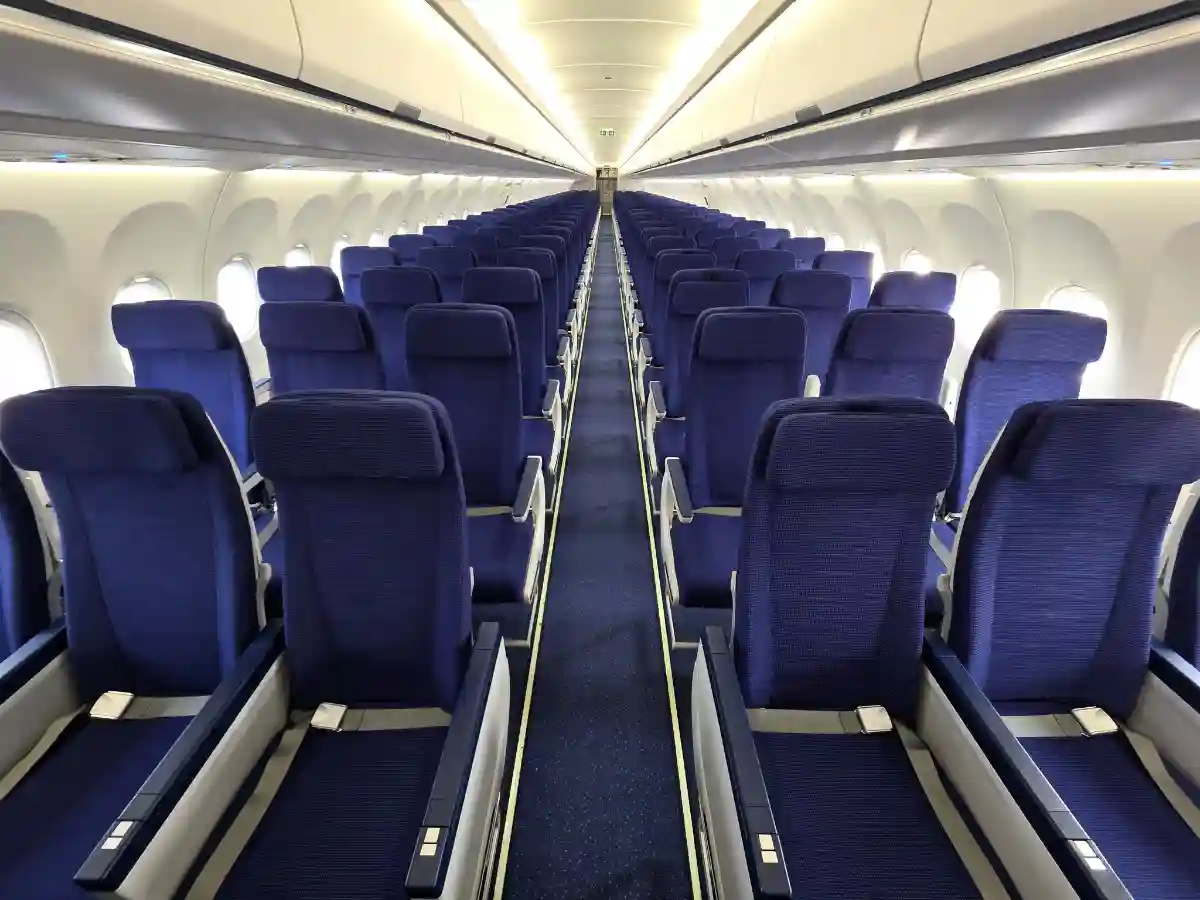
IndiGo’s A321XLR configuration is particularly important. The airline’s aircraft has 195 seats, including 12 Stretch seats with approximately 44 inches of pitch and 183 economy seats with around 31 inches. Unlike some premium-oriented A321XLR operators, IndiGo does not offer lie-flat seating or seat-back entertainment on this aircraft.
The relatively high seat count makes the payload challenge even more interesting. Other airlines operating the A321XLR generally configure the aircraft with fewer seats, leaving more weight available for fuel and other operational requirements. IndiGo therefore has less flexibility when attempting to push the aircraft across an unusually long sector.
IndiGo Will Leave Many Amsterdam Seats Unsold
Rather than adding a technical stop or abandoning the route, IndiGo has chosen a third option: restricting the number of passengers it sells. The airline is expected to make just under 140 seats available for booking on the Mumbai–Amsterdam sector, compared with the aircraft’s maximum capacity of 195 seats.
That means as much as 28% of the available passenger capacity will temporarily remain unsold. The reduction in passengers also reduces baggage and associated payload, allowing the aircraft to carry the fuel needed for the demanding nonstop operation.
This strategy comes with an obvious economic trade-off. Every empty seat represents revenue that could otherwise be generated, but the airline appears willing to accept that sacrifice to maintain the Amsterdam operation. Preserving the airport’s slots is especially important because Schiphol is heavily constrained and airlines must generally use their allocated slots sufficiently to retain them.
Amsterdam Slots Are Central to IndiGo’s Strategy
The decision makes more sense when viewed against IndiGo’s wider international expansion strategy. The airline’s partnership with Norse Atlantic Airways, which enabled IndiGo to lease Boeing 787-9 aircraft for European services, is coming to an end. Those widebody aircraft provided substantially greater capacity and long-haul performance than the A321XLR.
IndiGo is therefore entering a temporary transition period. The airline will lose access to the leased 787-9s before its first Airbus A350-900s arrive in 2027. That creates a gap in widebody capability, making the A321XLR an important bridge for selected long-haul markets.
Amsterdam is particularly valuable because IndiGo has already established its presence there. Keeping the route alive with a smaller aircraft allows the airline to protect its position until the A350-900 fleet can take over longer European services.
IndiGo’s Longest A321XLR Scheduled Service
With the current schedule, the Mumbai–Amsterdam flight is expected to become the world’s longest scheduled A321XLR service by block time. Its 11-hour westbound schedule is considerably longer than what the aircraft typically encounters on many other routes.
Winter conditions add another complication. Strong headwinds on westbound flights can increase flying time and fuel consumption, while the A321XLR also cruises at a lower speed than the Boeing 787-9 that previously operated the route.
The result is a fascinating example of how airlines can stretch a narrowbody aircraft beyond the missions traditionally associated with the type. IndiGo is not simply replacing a 787 with an A321XLR on a like-for-like basis. It is changing the economics of the route, accepting fewer passengers and longer flight times to keep the Mumbai–Amsterdam nonstop connection operating.
For passengers, the reduced frequency means fewer opportunities to fly nonstop between the two cities this winter. For IndiGo, however, the strategy provides a way to bridge a temporary fleet gap while protecting an important European airport position until its A350-900s begin reshaping the airline’s long-haul network.