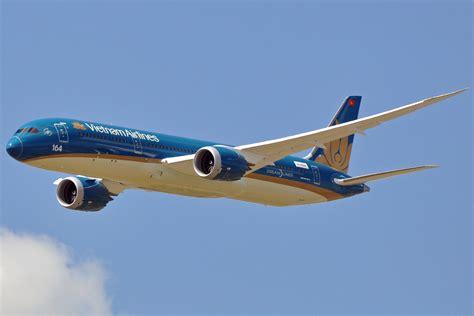
Vietnam Airlines is set to make aviation history this summer with the launch of its first-ever nonstop service between Hanoi and Amsterdam, marking a significant milestone not only for the national carrier but for the entire Vietnam–Netherlands market. Beginning June 16, the SkyTeam member will operate the route three times weekly, becoming the only airline to connect the two capitals directly. The new service positions Hanoi’s Noi Bai International Airport as an increasingly strategic long-haul gateway between Southeast Asia and Western Europe.
The introduction of Amsterdam Schiphol Airport (AMS) into Vietnam Airlines’ long-haul network underscores the airline’s deliberate European expansion strategy. Until now, travelers between Vietnam and the Netherlands have relied on one-stop itineraries through hubs such as Doha, Dubai, Istanbul, Paris, or various Chinese and Southeast Asian gateways. The nonstop Hanoi–Amsterdam link eliminates transit times and visa complications, creating a more seamless experience for both business and leisure passengers. For high-yield corporate travelers in particular, the time savings alone could redefine preferred routing patterns across the region.
Amsterdam is not a random addition. As the primary hub of KLM Royal Dutch Airlines, Schiphol Airport serves as one of Europe’s most powerful connecting gateways. Through the SkyTeam alliance, Vietnam Airlines gains immediate access to an extensive European and transatlantic network, strengthening connectivity beyond the Netherlands to cities across Scandinavia, North America, and Southern Europe. The alliance synergy enhances schedule coordination and frequent flyer reciprocity, making the route commercially attractive from day one.
A Strategic Leap in Vietnam–Europe Aviation
The Hanoi–Amsterdam service represents the first nonstop air link between Vietnam and the Netherlands in aviation history. While Vietnam Airlines already operates direct flights from Hanoi to Frankfurt, London Heathrow, Milan Malpensa, Moscow Sheremetyevo, and Paris Charles de Gaulle, Amsterdam fills a geographic and strategic gap in Northwestern Europe. From Ho Chi Minh City, the airline maintains nonstop service to Frankfurt, London, and Paris, but Amsterdam will be exclusively linked to Hanoi for now.
The Dutch capital’s strong corporate presence, robust tourism appeal, and deep historical trade ties with Southeast Asia make it a logical addition. Vietnam and the Netherlands maintain growing bilateral trade relationships, particularly in sectors such as agriculture, logistics, maritime infrastructure, and renewable energy. Direct air service strengthens not only tourism flows but also commercial diplomacy and cargo opportunities.
Deploying the Airbus A350-900 on Long-Haul Excellence
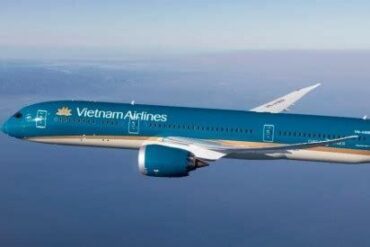
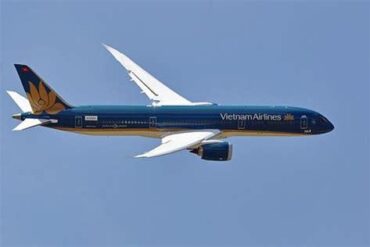
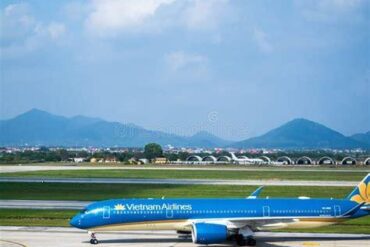
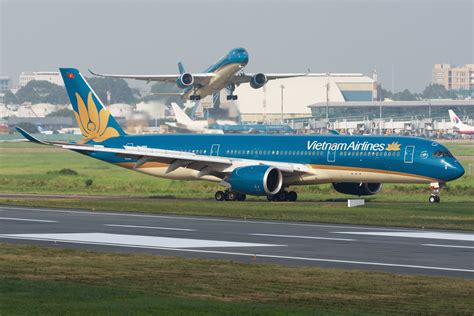
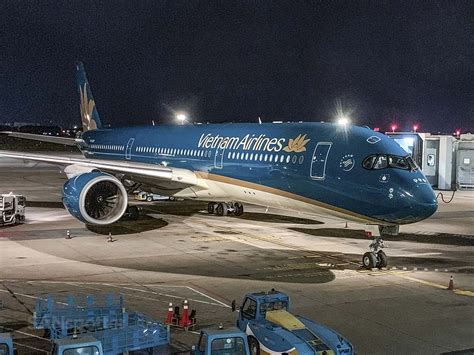
Vietnam Airlines will operate the route using its flagship Airbus A350-900, one of the most advanced widebody aircraft in service today. The airline currently operates 14 A350-900s, having received its first in June 2015, becoming the world’s second operator of the type after Qatar Airways. The aircraft is configured to accommodate 305 passengers, with two layout variations across the fleet.
Passengers in Business Class benefit from fully lie-flat seats with direct aisle access, a 15.4-inch entertainment screen, USB charging ports, premium Vietnamese and Western cuisine selections, and complimentary beverages. Lounge access, priority check-in, and additional baggage allowances further elevate the experience, positioning the product competitively against European and Gulf carriers.
Premium Economy Class provides enhanced comfort with wider seating and additional legroom, bridging the gap between business and standard economy. Meanwhile, Economy Class passengers enjoy a 31–32 inch seat pitch, 19-inch seat width, personal in-flight entertainment screens, and hot meal service. The A350’s advanced aerodynamics, quieter cabin, and improved air pressure systems reduce fatigue on long-haul sectors, making the nearly 11-hour journey between Hanoi and Amsterdam notably more comfortable.
Competitive Landscape: A Select Group of Nonstop Operators
The Vietnam–Europe nonstop market remains relatively limited despite rising demand. Currently, Turkish Airlines connects Hanoi to Istanbul, offering onward European connections through its expansive Star Alliance hub. From Ho Chi Minh City, Aeroflot links Moscow Sheremetyevo, Air France operates to Paris Charles de Gaulle, and Turkish Airlines serves Istanbul. Yet no airline until now has provided a direct Netherlands–Vietnam connection.
Most travelers have traditionally relied on one-stop options via Middle Eastern or Asian hubs. While these routes often provide competitive pricing and flexible schedules, nonstop service carries a distinct advantage for time-sensitive passengers. Vietnam Airlines’ new route therefore occupies a unique position, capturing premium demand while reinforcing Hanoi as a regional gateway.
Amsterdam Schiphol’s reputation as one of Europe’s most efficient airports further enhances the route’s appeal. With a single-terminal design and streamlined transfer process, Schiphol offers minimal connection times compared to other major European hubs. The presence of KLM ensures smooth onward connectivity throughout Europe and across the Atlantic, creating a natural extension of Vietnam Airlines’ network.
Strengthening Domestic Connectivity from Hanoi
Beyond European connections, the route also amplifies Vietnam Airlines’ domestic network strength. Passengers arriving from Amsterdam can seamlessly transfer at Noi Bai International Airport to major Vietnamese cities, including Da Nang, Hue, Nha Trang, Phu Quoc, and Ho Chi Minh City. This domestic feed enhances load factors and broadens tourism opportunities beyond Hanoi itself.
Previous attempts by Vietnamese carriers to establish European footholds have proven challenging. Bamboo Airways briefly operated routes to London Gatwick and Frankfurt before shifting strategic focus back to Asia and domestic operations. Vietnam Airlines’ long-haul experience, alliance partnerships, and established fleet infrastructure provide a more sustainable foundation for European expansion.
The Hanoi–Amsterdam launch is more than a new route announcement. It is a calculated statement of confidence in Vietnam’s growing role within global aviation. As economic ties deepen and tourism rebounds, this direct air bridge between Southeast Asia and the Netherlands symbolizes a broader evolution of connectivity. With advanced aircraft, alliance backing, and an underserved market segment, Vietnam Airlines is not merely adding another European destination—it is reshaping the competitive landscape of Vietnam–Europe travel.