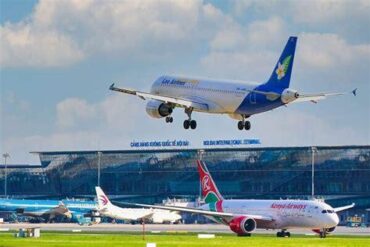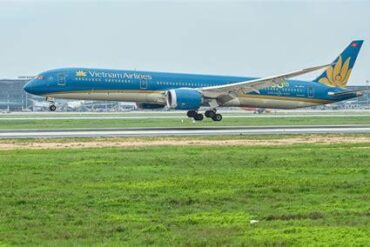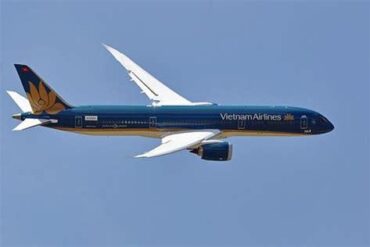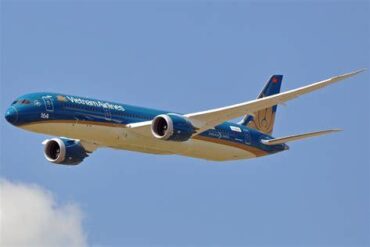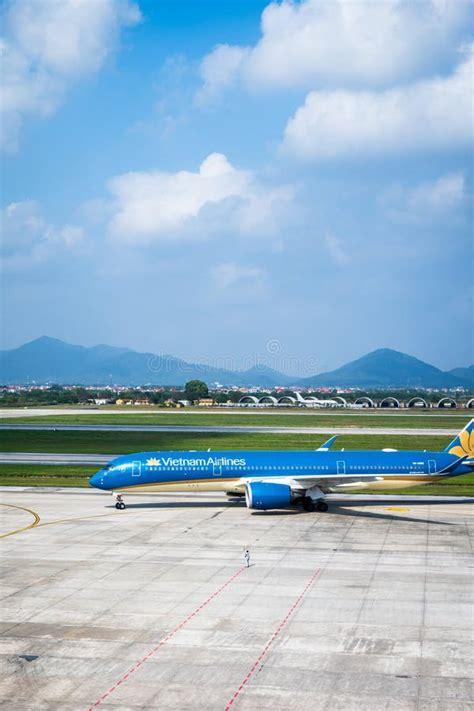
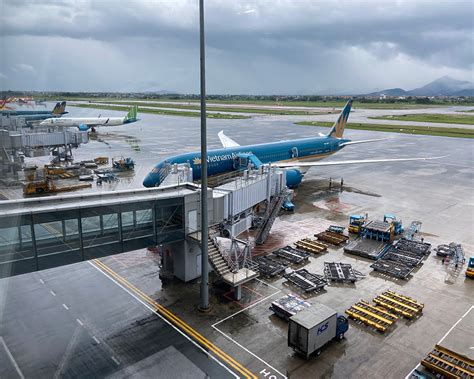
At approximately 2:23 p.m. on June 27, 2025, a serious aviation incident occurred at Noi Bai International Airport in Hanoi, shaking the normally smooth operations of Vietnam’s busiest aviation hub. Two aircraft from Vietnam Airlines—a Boeing 787-9 Dreamliner (registration VN-A863) and an Airbus A321 (registration VN-A338)—were involved in a ground collision during taxiing procedures, triggering a wave of cancellations, delays, and widespread concern over operational protocols at the airport.
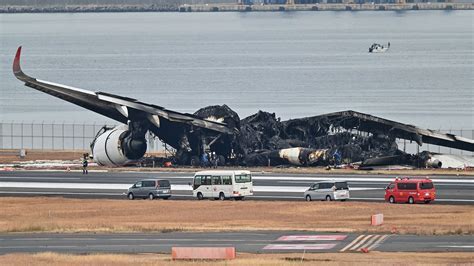
Collision Details: Boeing 787-9 and Airbus A321 Involved in Taxiway Incident
The incident unfolded on a clear afternoon with optimal visibility conditions, eliminating weather as a contributing factor. The Boeing 787-9, bound for Ho Chi Minh City, was taxiing toward the active runway when its right wingtip struck the vertical stabilizer of a stationary Airbus A321, which was preparing for departure to Dien Bien and parked at a designated point on the taxiway.
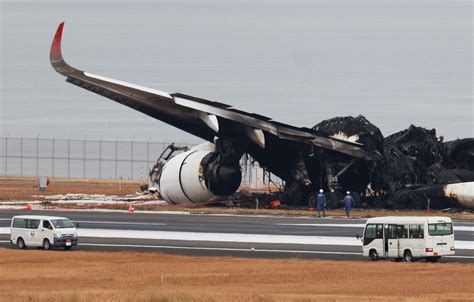
Eyewitnesses and airport personnel reported hearing a loud metallic scrape followed by immediate deployment of emergency protocols. Despite the severity of the impact—visible structural damage, torn components, and debris scattered across the tarmac—there were no injuries among the combined 386 passengers onboard the two aircraft.
Immediate Response and Grounding of Aircraft
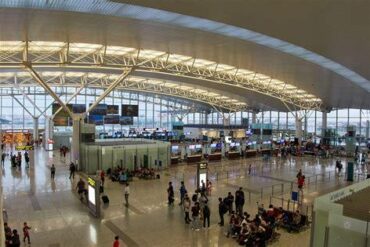
Following the collision, both aircraft were grounded for inspection and removed from service. Passengers were disembarked and escorted back to Terminal T1, where Vietnam Airlines initiated contingency procedures to assist affected travelers.
The airline activated its emergency response protocols, deploying ground staff to manage passenger flows, arrange alternative flights, and handle logistics for hundreds of travelers whose plans had been disrupted. Passengers received updates via announcements, mobile notifications, and were offered meal vouchers and rebooking support. Despite efforts to manage the chaos, many travelers reported lengthy queues, delayed communications, and an overall tense atmosphere within the terminal.
Extent of Damage and Technical Inspection
A technical inspection by aviation safety teams revealed significant damage:
- The right wingtip of the 787-9 was fractured and partially sheared.
- The vertical stabilizer of the A321 was torn, with surface material detached.
Airport personnel quickly cordoned off the area, removed debris, and began collecting data for forensic analysis. The Northern Airports Authority, in cooperation with the Civil Aviation Authority of Vietnam (CAAV), launched a full investigation into the incident.
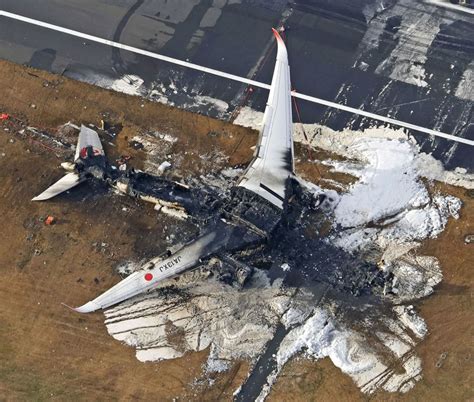
Investigation Focuses on Taxiing Procedures and Human Error
The preliminary investigation focuses on operational procedures at the S3-S taxiway intersection, where the incident occurred. Given the absence of adverse weather and the clarity of communications from air traffic control, the possibility of human error or procedural lapses is being scrutinized. Surveillance footage, ATC logs, and cockpit voice recorders are being analyzed to determine if:
- Miscommunication between pilots and air traffic control occurred.
- The taxiing clearance given to the 787-9 conflicted with the stationary status of the A321.
- Visibility of parked aircraft at that taxiway intersection met ICAO standards.
Impact on Airport Operations and Flight Schedule
The accident triggered a ripple effect across Noi Bai’s operational network. Though the airport remained open, several key routes—both domestic and international—experienced delays and last-minute rescheduling. Flights to Da Nang, Phu Quoc, and regional hubs across Southeast Asia were delayed by up to three hours, while at least six flights were outright canceled due to aircraft unavailability and diverted logistics.
As ground crews cleared the debris and ensured safety compliance, Vietnam Airlines, in coordination with the airport authority, rerouted several arriving aircraft to Tan Son Nhat Airport and Van Don International Airport to reduce tarmac congestion at Noi Bai.
Passenger Frustration and Communication Breakdown
Many passengers expressed frustration over the lack of prompt updates, especially regarding alternate flight arrangements and compensation. Despite visible efforts by Vietnam Airlines staff to maintain order, communication bottlenecks—including overwhelmed service counters and inconsistent updates from mobile apps—heightened anxiety among travelers.
Some passengers turned to social media to voice complaints, tagging Vietnam Airlines and calling for improved crisis management infrastructure. Travel forums and aviation groups lit up with speculation and concern over how such a high-profile incident could occur in a modern, controlled environment.
Vietnam Airlines’ Official Response and Safety Commitment
In a statement issued hours after the incident, Vietnam Airlines reaffirmed its unwavering commitment to passenger safety and transparency. A company spokesperson said:
“We deeply regret the disruption caused by the incident and are fully cooperating with investigators. Our immediate priority is passenger well-being and ensuring that safety standards are upheld across all operations.”
The airline further clarified that affected passengers would be offered free rebookings, accommodation support where applicable, and assistance with ground transportation in cases where flights were diverted or delayed.
Review of Airport Safety Protocols Underway
The collision raised critical questions about Noi Bai International Airport’s ground movement protocols, particularly at high-traffic intersections. The airport operator has since announced a comprehensive review of:
- Taxiing procedures during peak hours.
- Visibility assessments and signage.
- Coordination between tower control and ramp agents.
The Civil Aviation Authority of Vietnam (CAAV) confirmed that it is conducting a full regulatory audit of Noi Bai’s ground operations, with recommendations expected in the coming weeks. This includes a probe into whether taxiway S3-S layout or signage contributed to the accident.
Public and Industry Reactions: A Wake-Up Call for Ground Safety
Aviation experts and analysts are calling the collision a wake-up call for ground safety protocols in Southeast Asia’s expanding aviation hubs. The incident has renewed focus on:
- The importance of strict adherence to ground handling SOPs.
- Integration of better ground radar systems.
- Enhanced training programs for pilots and airside personnel.
Regional carriers and airport operators are also paying close attention, recognizing that such incidents, though rare, have the potential to cause massive financial losses, reputational damage, and regulatory repercussions.
Looking Ahead: Rebuilding Passenger Trust and Operational Integrity
Vietnam Airlines now faces the delicate task of rebuilding passenger trust while the investigation continues. Its rapid deployment of contingency plans, while commendable, highlighted several areas requiring improvement—chiefly real-time communication, passenger information flow, and response coordination between airline and airport staff.
Passengers flying from Noi Bai Airport in the following days are being advised to arrive early, monitor official flight updates, and prepare for possible knock-on effects from the aircraft shortage. Vietnam Airlines is redistributing its fleet, prioritizing high-capacity routes and working with regulators to return the grounded aircraft to service as soon as technical inspections are cleared.
Conclusion: An Avoidable Mishap with Lasting Ramifications
As Vietnam’s aviation industry continues its upward trajectory, incidents like the June 27 aircraft collision serve as potent reminders of the non-negotiable role of safety, particularly in high-density ground operations. While no lives were lost, the impact on passengers, airline operations, and public perception has been considerable.
The results of the investigation will shape future airside protocols, not only at Noi Bai but across Vietnam’s growing network of international airports. Until then, industry watchers, travelers, and aviation stakeholders alike are waiting for answers—and assurances—that such an incident will not happen again.