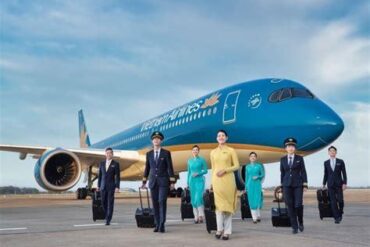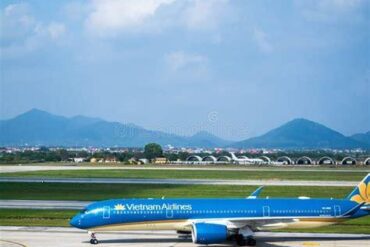
Vietnam Airlines has taken a major stride in its global expansion with the inauguration of a nonstop route between Hanoi and Milan, a move that redefines connectivity between Southeast Asia and Southern Europe. Launched on July 2, 2025, the new service drastically reduces travel time between the Vietnamese capital and Italy’s industrial powerhouse, unlocking extensive opportunities for tourism, commerce, and cultural exchange.
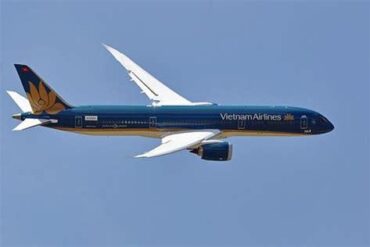
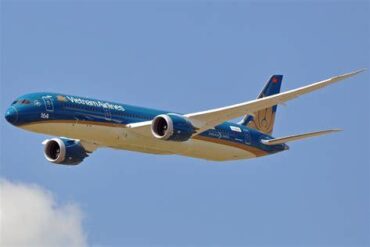
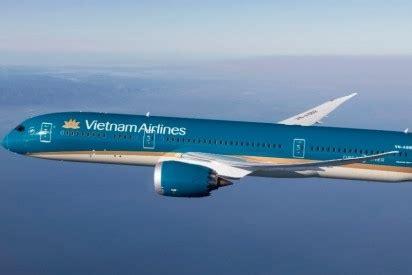
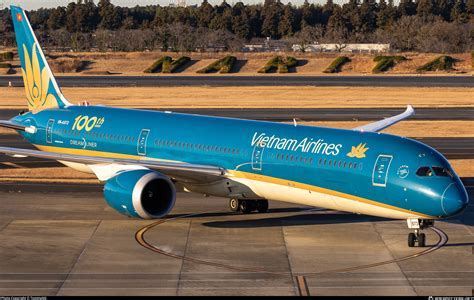
This milestone also marks Vietnam Airlines’ 10th European destination, underlining its ambitions to emerge as a dominant player in the transcontinental aviation market. The service is operated using the Boeing 787-9 Dreamliner, renowned for its fuel efficiency, long-haul comfort, and advanced cabin features, offering premium experiences in both business and economy class.
A Direct Route Bridging Two Dynamic Economies
Prior to this development, travelers commuting between Hanoi and Milan were subject to multi-hour stopovers in cities like Frankfurt, Paris, or Doha, often resulting in total journey times exceeding 17 hours. Vietnam Airlines’ new route slashes that down to approximately 12 hours, with the Boeing 787 Dreamliner flying directly between Noi Bai International Airport (HAN) and Milan Malpensa Airport (MXP). This seamless connection brings with it a host of advantages not only for travelers but also for economic diplomacy.
Milan, the second-largest city in Italy and a global capital of fashion, finance, and industrial design, becomes Vietnam’s direct gateway to Southern Europe. The airline’s decision to target Milan as a destination reflects Milan’s centrality to the European business landscape, and Italy’s increasing engagement with Asia-Pacific markets. As a result, the new route is expected to spur growth in bilateral trade, enhance people-to-people exchanges, and offer better access for Italian tourists eager to explore Vietnam’s heritage cities and coastal beauty.
Flight Schedule and Premium Service Features
Vietnam Airlines has structured the Hanoi-Milan service with business and leisure travelers in mind, offering three weekly flights on Tuesdays, Fridays, and Saturdays. The flight schedule is designed to maximize convenience:
- Flight VN73 departs Hanoi at 00:45 AM, landing in Milan at 07:40 AM local time—ideal for passengers needing a full business day in Europe.
- Flight VN72 returns from Milan at 12:45 PM, arriving in Hanoi at 04:35 AM the next day, providing a night’s rest upon arrival.
Passengers can expect:
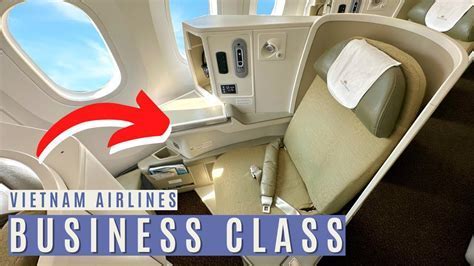
- Flat-bed business class seats, larger overhead bins, and a quieter cabin.
- State-of-the-art air filtration systems, mood lighting, and reduced cabin pressure.
- In-flight cuisine reflecting both Vietnamese and Italian culinary styles.
These offerings are part of Vietnam Airlines’ ongoing effort to standardize long-haul comfort and compete with premium global carriers.
Tourism and Cultural Synergies Between Vietnam and Italy
With its launch, the nonstop Hanoi-Milan route becomes a cultural artery between two UNESCO-rich nations. Italy’s allure—with iconic cities like Rome, Venice, and Florence—has always appealed to Asian travelers. Conversely, Vietnam’s ancient cities such as Hoi An, Hue, and the imperial capital of Hanoi offer rich narratives that fascinate European visitors.
The streamlined connection is particularly beneficial for Italian tourists who can now travel directly to Vietnam without the inconvenience of long-haul layovers. Places like Ha Long Bay, Ninh Binh, and Da Nang are now within far easier reach. Similarly, Milan’s location provides easy rail or air access to top Italian destinations, allowing Vietnamese travelers to combine business with leisure more efficiently.
In 2024, Vietnam welcomed 12.6 million international visitors, a figure poised to rise sharply due to such infrastructure improvements. With the government targeting 22–23 million international visitors by 2025, the Hanoi-Milan route is more than a convenience—it’s a strategic enabler.
Economic and Business Connectivity Gains
Milan is more than a tourism hub. As the financial capital of Italy, the city hosts numerous corporate headquarters, fashion conglomerates, and international trade exhibitions. By connecting Hanoi—Vietnam’s political and growing tech hub—to Milan, the airline enables faster executive travel for professionals involved in automotive components, textiles, electronics, and fashion.
This corridor is particularly important for Vietnam’s export-driven industries looking to access the EU single market through Italy’s robust logistics infrastructure. In 2024, bilateral trade between Vietnam and Italy stood at over $6 billion, and analysts expect that number to grow as Vietnamese SMEs gain better access to European supply chains.
Strategic Expansion in the European Market
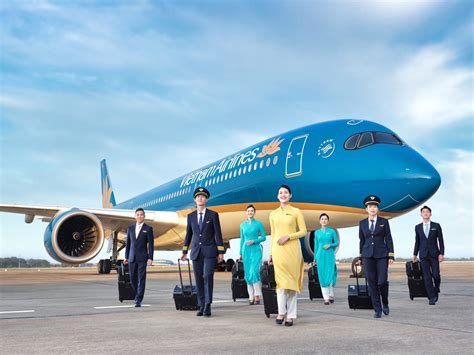
The new Hanoi-Milan route is a critical component of Vietnam Airlines’ long-term European strategy. With established routes to London, Frankfurt, Moscow, and Paris, Milan joins an expanding network designed to cater to rising demand for nonstop, high-comfort long-haul travel.
This expansion is reinforced by Vietnam Airlines’ codeshare agreement with Saudia, allowing for interlined ticketing and smoother transfers across the Middle East. Both carriers are part of the SkyTeam Alliance, ensuring seamless coordination in loyalty programs, lounge access, and global flight connections. The result is a more integrated travel experience that connects Southeast Asia to the Middle East, Europe, and beyond.
The airline is also exploring potential direct routes to Zurich, Amsterdam, and Barcelona, as part of its 2030 roadmap. The focus is clear: consolidate its footprint in Europe’s economic hotspots while strengthening Vietnam’s visibility on the world stage.
Competitive Edge in Post-Pandemic Air Travel
Vietnam Airlines’ decision to launch this route now is both opportune and bold. As the global aviation industry recovers from the COVID-19 pandemic, there is a shift in passenger preferences toward nonstop routes that minimize touchpoints and layovers. This trend aligns with the post-pandemic safety mindset and the desire for time-efficient journeys.
The Boeing 787-9 is pivotal in this context. With a range of 14,010 kilometers and significantly lower fuel burn, it allows the airline to maintain profitability on long-haul routes while delivering premium comfort. Vietnam Airlines also benefits from state-backed incentives, favorable airport slots in Hanoi and Milan, and robust local support from Vietnamese communities across Europe.
Conclusion: A Strategic Leap Toward Global Integration
The launch of the Hanoi-Milan nonstop service is more than a transportation upgrade—it’s a strategic leap in Vietnam Airlines’ globalization campaign. The route not only bridges a geographic gap but also connects cultures, markets, and opportunities. Whether it’s a Vietnamese entrepreneur attending a Milan trade fair or an Italian backpacker exploring the lantern-lit streets of Hội An, this connection makes the journey shorter, smoother, and more accessible.
In the years to come, this direct link is expected to play a crucial role in cementing Vietnam-Italy relations, enhancing Vietnam’s tourism strategy, and reinforcing Vietnam Airlines’ stature as a premium Asian carrier. The sky may no longer be the limit for Vietnam Airlines—it may just be the beginning of a more connected world.