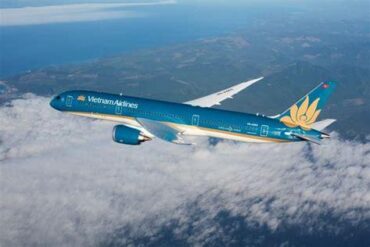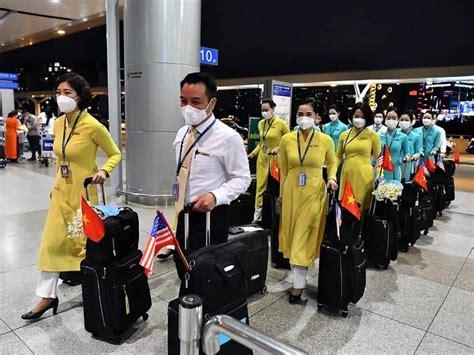
In a landmark move poised to reshape air travel between Southeast Asia and Scandinavia, Vietnam Airlines has officially launched its first-ever direct flight from Ho Chi Minh City (SGN) to Copenhagen (CPH), establishing a critical air bridge between Vietnam and Northern Europe. This non-stop connection, scheduled to commence on December 15, is not only a breakthrough in Vietnam Airlines’ long-haul expansion strategy but also a significant step toward deepening bilateral trade, tourism, and cultural exchange between the two regions.
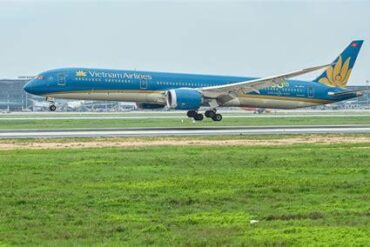
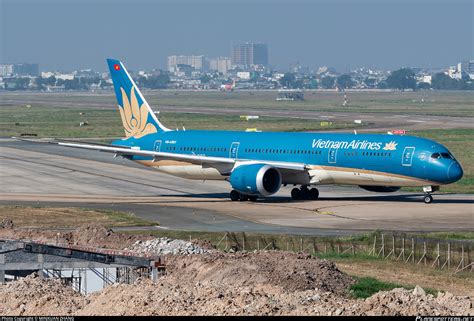
Marking a historical first, this route becomes the only non-stop service between Vietnam and Denmark, positioning Copenhagen as a pivotal Nordic gateway for both leisure and business travelers. Operated with the state-of-the-art Boeing 787-9 Dreamliner, the service will run three round-trip flights weekly — departing Ho Chi Minh City on Mondays, Wednesdays, and Fridays, and returning from Copenhagen on Tuesdays, Thursdays, and Saturdays.
A Strategic Leap Toward Global Connectivity
This new route exemplifies Vietnam Airlines’ broader vision of expanding its international reach in response to the resurgent post-pandemic travel boom. With Đặng Anh Tuấn, Deputy General Director of Vietnam Airlines, emphasizing global integration as a strategic priority, the airline is not only serving growing Vietnamese outbound tourism but also fostering inbound travel from historically underserved Nordic markets.
By introducing a direct link to Copenhagen, Vietnam Airlines taps into a high-value, premium market that has long relied on connecting flights through major European hubs like Frankfurt, Paris, or London. This development streamlines travel for Danish tourists, international businesses, and the Vietnamese diaspora in Denmark, which is estimated to be over 70,000 strong — the largest in the Nordic region.
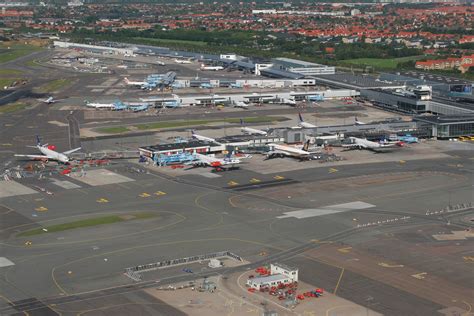
Copenhagen Airport (CPH), as Northern Europe’s busiest aviation hub and a major base for Scandinavian Airlines (SAS), offers extensive onward connectivity across the region. Travelers flying with Vietnam Airlines will now enjoy seamless access to Sweden, Norway, and Finland, making the new route a smartly positioned entry point into the entire Nordic corridor.
Elevating Economic and Cultural Synergies Between Vietnam and Denmark
Vietnam and Denmark have shared a steadily growing relationship marked by strong diplomatic, environmental, and commercial cooperation. This flight not only embodies aviation progress but also becomes a catalyst for strengthening economic diplomacy and bilateral commerce. As reported by Vietnam News, the direct air link is expected to stimulate trade, particularly in high-value sectors such as green energy, seafood, electronics, and textiles.
From the tourism perspective, Vietnam remains an alluring long-haul destination for Scandinavian travelers, offering year-round sunshine, rich cultural heritage, and competitive travel costs. Meanwhile, Denmark’s well-developed infrastructure, focus on sustainability, and vibrant design and innovation sectors offer reciprocal appeal to Vietnamese tourists and business leaders.
With this flight, tour operators in both countries now have unprecedented opportunities to build tailored travel packages, while logistics providers gain an edge in air freight, particularly for time-sensitive or high-value cargo. In the wake of global supply chain disruptions, this kind of direct connectivity enhances reliability, shortens transit times, and reduces costs, giving businesses in both regions a crucial competitive advantage.
A Natural Expansion in Vietnam Airlines’ Post-Pandemic Strategy
The SGN–CPH route launch is a cornerstone in Vietnam Airlines’ ongoing post-COVID international recovery, where recalibrating its network to match evolving demand has taken center stage. The airline has already made bold moves to resume or inaugurate over 15 international routes, including destinations in Japan, South Korea, India, China, and the UAE.
In Europe, the airline is no stranger to long-haul competition, maintaining direct services to London (LHR), Paris (CDG), Frankfurt (FRA), and Moscow (SVO). From July, a new Hà Nội to Milan (MXP) route will further extend its European footprint, with an HCM City–Milan leg in the pipeline for 2025.
This aggressive global push is also evident across Asia. In early June, the carrier launched a nonstop service from Nha Trang (CXR) to Busan (PUS) using Airbus A321s, reinforcing its presence in South Korea — Vietnam’s second-largest inbound tourism source. A new route from HCM City to Bali (DPS) has also been added, expanding Southeast Asian leisure options.
The SGN–CPH service, therefore, is not an isolated move but a carefully engineered part of a multi-pronged expansion strategy aimed at reinforcing Vietnam Airlines’ status as a premier intercontinental carrier in Asia.
Why Copenhagen Makes Strategic Sense for Vietnam Airlines
Choosing Copenhagen as the airline’s Nordic gateway is more than symbolic — it’s a calculated logistical and commercial decision. As the operational hub of Scandinavian Airlines and a regional aviation powerhouse, CPH offers unmatched airside infrastructure, efficient customs and immigration, and direct rail and road links into central Copenhagen and neighboring countries.
Copenhagen’s progressive aviation policies, coupled with Denmark’s aggressive push toward sustainable air travel, make it an attractive partner for Vietnam Airlines, which is actively exploring greener aviation solutions as part of its corporate responsibility mandate.
From a network perspective, the airport’s robust interlining capabilities give passengers flying into Copenhagen one-stop access to cities like Oslo, Helsinki, Bergen, and Gothenburg, opening fresh opportunities for tourism flows in both directions. Scandinavian travelers, long accustomed to long transits via Western Europe or the Middle East, now benefit from a direct, more comfortable 12-hour flight to one of Asia’s most dynamic economies.
High Demand, Operational Resilience, and the Dreamliner Edge
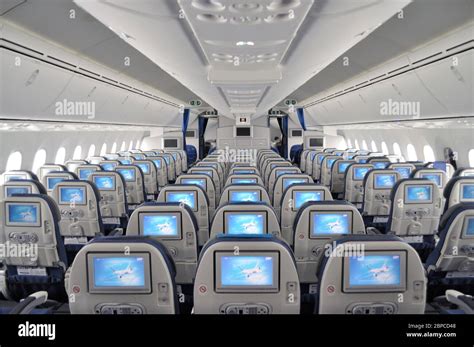
Vietnam Airlines has chosen the Boeing 787-9 Dreamliner for the SGN–CPH route, a long-range widebody aircraft renowned for fuel efficiency, passenger comfort, and low noise emissions. With a configuration supporting over 300 passengers in multiple service classes, the 787-9 enables optimum economics for long-haul routes with fluctuating seasonal demand.
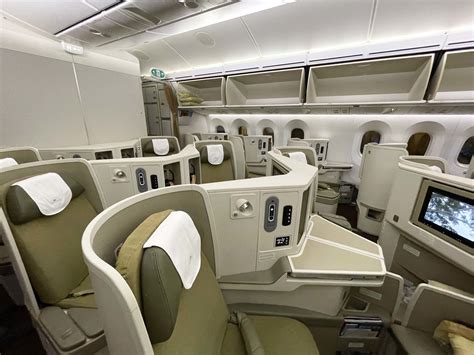
Equipped with modern in-flight entertainment, lie-flat business seats, and enhanced cabin pressurization, the aircraft aligns with premium expectations of European travelers while maintaining strong appeal to Vietnam’s growing affluent demographic. The long range of the 787-9 (up to 14,010 km) makes it ideally suited for nonstop Asia–Europe sectors, balancing payload and performance even under weather or fuel constraints.
Despite the momentum, Vietnam Airlines, like many global carriers, continues to navigate headwinds such as aircraft shortages, particularly from the ongoing Pratt & Whitney engine recall, and volatile fuel costs driven by geopolitical tension. Nonetheless, its leadership has prioritized resilience and adaptability, investing in route optimization and fleet maintenance to secure growth trajectories.
For instance, the airline is currently enhancing frequencies on popular regional routes like HCM City–Singapore and HCM City–Bangkok, which saw a 10% year-on-year growth in air traffic in the first five months of this year alone. Such robust performance underlines the strength of Vietnam’s aviation rebound and the wisdom of unlocking underutilized international corridors, such as Northern Europe.
Looking Ahead: A Milestone for Vietnam’s Aviation Industry
Vietnam Airlines’ foray into Northern Europe via Copenhagen signals more than just route expansion — it represents a maturing national aviation strategy that aligns commercial ambition with national branding. Vietnam’s aviation industry is increasingly being recognized for its high safety standards, competitive pricing, and modern fleet, placing it in a favorable position amid the intensifying regional competition.
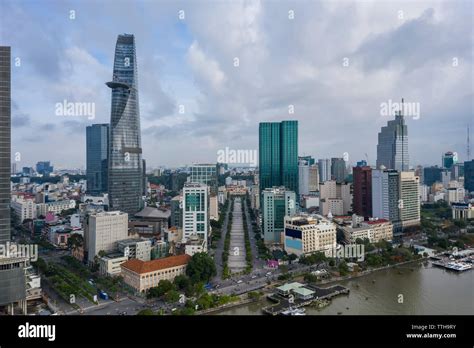
By connecting Ho Chi Minh City — Vietnam’s economic engine and gateway to the Mekong Delta — directly with Copenhagen, the airline is not only facilitating travel but also shaping the future of transcontinental commerce and diplomacy. This aligns with Vietnam’s broader push for free trade agreements, foreign direct investment, and green infrastructure partnerships, many of which involve Danish firms and Nordic stakeholders.
Moreover, for Denmark, this route enhances its international standing as a forward-looking hub open to new markets. The SGN–CPH connection has the potential to serve as a template for other Southeast Asian carriers considering expansion into the Nordic market, a region rich in outbound tourism demand and high-income consumers.
Conclusion: A Transformative Connection Built for the Future
The launch of Vietnam Airlines’ direct flight from Ho Chi Minh City to Copenhagen is a transformative milestone that reshapes connectivity between Southeast Asia and Northern Europe. It encapsulates Vietnam’s emergence as a global aviation player, Denmark’s openness to new bilateral opportunities, and the evolving demands of international travelers in a post-pandemic world.
As the skies between Asia and Europe grow busier, the new SGN–CPH route emerges not just as a symbol of progress, but as a powerful bridge linking cultures, economies, and people. With this bold move, Vietnam Airlines not only enriches its route network — it helps rewrite the narrative of what global aviation can achieve when ambition, vision, and timing align.