Vietnam’s bold transformation into a luxury tourism powerhouse is no longer a projection—it’s a reality confirmed by accolades and international recognition. At the Travel + Leisure Luxury Awards Asia Pacific 2025, Ho Chi Minh City and Phu Quoc Island have emerged as standout destinations, celebrated for their unique fusion of cultural authenticity, elevated service standards, and immersive experiences. Their inclusion among Asia-Pacific’s top travel hotspots signifies not just a victory for Vietnam’s tourism ambitions, but a major shift in how global travelers perceive the Southeast Asian nation.
Ho Chi Minh City: A City Where Heritage Dances with Innovation
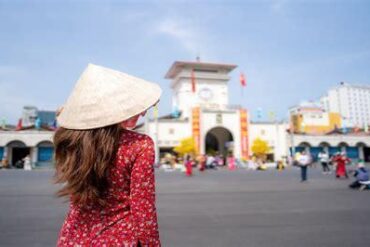
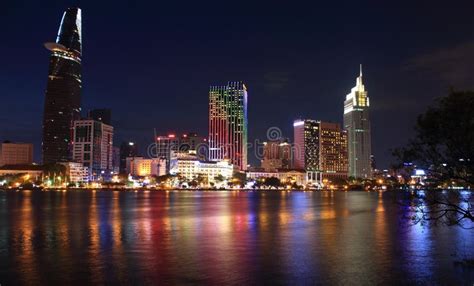
Ranked seventh among Asia Pacific’s top cities, Ho Chi Minh City (HCMC) has grown beyond its post-colonial identity to become a dynamic epicenter for high-end urban tourism. The city’s electric contrast of old and new, from French colonial architecture to futuristic skyscrapers, captivates visitors seeking substance beyond surface-level glamor. Anchoring the city’s historical heart are iconic structures such as the Notre Dame Cathedral, Central Post Office, and Reunification Palace—reminders of Vietnam’s complex past woven seamlessly into its vibrant present.
The urban landscape bustles with modernity, especially along Nguyen Hue Walking Street, where light shows, street performances, and cultural parades merge into a nightly spectacle. Saigon River cruises, edgy art districts like Thu Duc Creative City, and a kaleidoscope of cafes and concept bars turn the city into a destination of continuous sensory engagement.
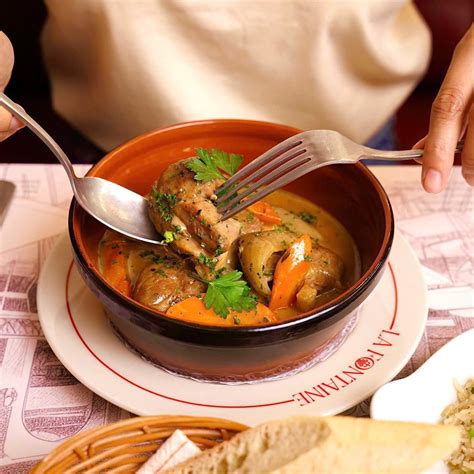
The soul of Ho Chi Minh City, however, lies in its gastronomic tapestry. Famed for its street food, the city is now an international culinary beacon with restaurants featured in the Michelin Guide. Whether it’s savoring a humble bánh mì on a plastic stool or indulging in a 12-course tasting menu at a luxury rooftop venue, the culinary scene offers a journey through Vietnam’s regional palettes fused with global finesse.
Infrastructure has been pivotal to HCMC’s luxury repositioning. The completion of its first metro line in late 2024 revolutionized urban mobility, linking key districts and tourist sites with speed and efficiency. Complementing this is the new T3 terminal at Tan Son Nhat International Airport, streamlining international arrivals and reducing congestion. The hospitality sector has also surged, with luxury accommodations from Park Hyatt Saigon to Vinpearl Landmark 81 setting new benchmarks in urban indulgence.
Tourism data underscores this momentum. In Q1 2025, HCMC welcomed over 1.63 million international visitors, an 18.2% increase from the previous year. Revenue climbed to VND 56,600 billion, up 26.7%, driven by extended stays linked to MICE tourism, culinary experiences, heritage tours, and a rapidly expanding wellness sector.
Phu Quoc: Vietnam’s Crown Jewel of Island Luxury
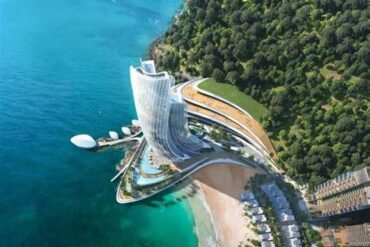
While Ho Chi Minh City represents urban sophistication, Phu Quoc Island embodies secluded luxury and natural allure. Positioned third among Asia-Pacific’s top islands, Phu Quoc is earning global acclaim for its unspoiled landscapes, eco-conscious development, and high-end resort culture.
Nestled in the Gulf of Thailand, the island’s coastline glistens with attractions like Sao Beach, Khem Beach, and Ganh Dau—each offering crystalline waters, powdery sand, and postcard tranquility. Beyond the beaches, the island invites explorers to dive into coral gardens, kayak through mangroves, and trek in Phu Quoc National Park. The marine biodiversity has turned the island into a sanctuary for snorkelers and marine ecotourists alike.
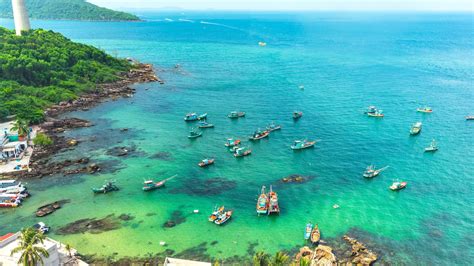
The island’s transformation has been strategic and sustainable. Luxury hotel brands such as JW Marriott, Regent, InterContinental, and Pullman have invested in properties that blend into the environment while delivering exceptional service. The design language emphasizes local culture, sustainability, and personalized luxury—with spa retreats, fine dining, and private villas attracting high-net-worth travelers.
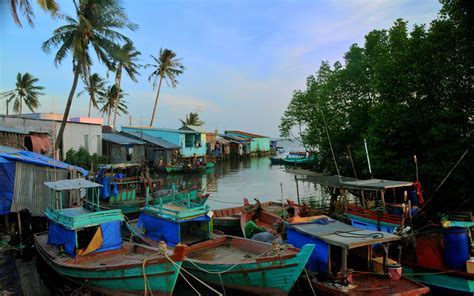
Despite this rapid growth, Phu Quoc has preserved its cultural soul. In Ham Ninh fishing village, time slows down. Wooden stilt houses perch over tidal flats, offering a glimpse into traditional island life. Visitors tour pepper farms, sample artisan-crafted fish sauce, and navigate vibrant seafood markets that retain their rustic charm. The coexistence of authentic heritage and modern opulence is what distinguishes Phu Quoc from more homogenized island resorts across the globe.
Strategic infrastructure has bolstered this rise. Phu Quoc International Airport continues to expand its reach, linking the island with cities across Asia and Europe. Plans to host the APEC Forum in 2027 have further accelerated development of high-capacity event venues and integrated resort complexes, ensuring readiness for global attention.
Performance metrics tell the story. In the first six months of 2025, Phu Quoc welcomed over 4.4 million visitors, a 33.3% rise year-on-year. International arrivals surged by more than 76%, totaling nearly 882,000. Tourism revenue skyrocketed to VND 21,588 billion, marking a 92.6% increase—a testament to the island’s appeal as a top-tier luxury destination.
Vietnam’s Luxury Tourism Renaissance: Strategy, Authenticity, and Scale
Vietnam’s double triumph at the 2025 Travel + Leisure Luxury Awards Asia Pacific is not coincidental. It is the result of a multi-tiered national tourism strategy focused on premium service delivery, infrastructure investment, and cultural preservation. By spotlighting both Ho Chi Minh City and Phu Quoc, the awards reinforce Vietnam’s multi-dimensional tourism strength—urban energy and coastal serenity, global class and local essence.
The country’s tourism renaissance began with reforms to attract foreign direct investment into hospitality, relaxation of visa policies, and aggressive promotion of lesser-known destinations. Investments in airport modernization, digital tourism platforms, and environmentally responsible development have paid off, creating a tourism ecosystem primed for sustained upscale growth.
Vietnam is not simply adding luxury hotels; it is redefining what luxury tourism means—placing authenticity, environment, and engagement at the heart of the experience. Travelers to Vietnam today are not just consumers of beauty and comfort, but participants in a story that honors tradition while embracing the future.
Looking Ahead: Vietnam’s Unstoppable Momentum in Global Travel
As the Asia-Pacific travel landscape evolves, the demand for destinations that offer both depth and decadence will grow stronger. Vietnam is already answering that call. With the ongoing expansion of high-speed rail, upgrades to UNESCO World Heritage Sites, and strategic hosting of regional forums and cultural festivals, the country is setting itself up as a benchmark for sustainable luxury in Southeast Asia.
The parallel success stories of Ho Chi Minh City and Phu Quoc serve as proof of concept—and as a blueprint for other destinations within Vietnam’s diverse geography. Whether it’s the ancient imperial capital of Hue, the karst landscapes of Ha Long Bay, or the coffee highlands of Da Lat, Vietnam’s capacity to deliver high-quality tourism experiences is expanding beyond imagination.
As travelers grow more discerning and demand more than luxury for luxury’s sake, Vietnam offers something enduring: a luxury rooted in place, culture, and purpose. With Ho Chi Minh City and Phu Quoc leading the charge, Vietnam is not merely on the map—it is rewriting the map of luxury tourism in the Asia-Pacific.