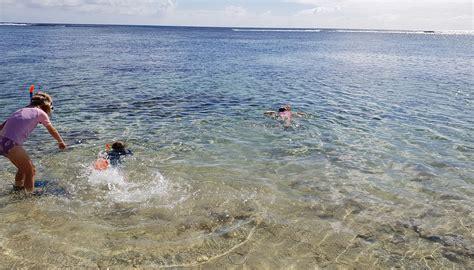
The Kingdom of Tonga has launched a bold and visionary initiative under the Clean-Up Tonga Campaign 2025, positioning its most iconic coastal and urban landscapes—Ha’atafu Beach, Halaika Beach, and the Nuku’alofa Waterfront—at the forefront of environmental reform. With a renewed emphasis on sustainable tourism and national pride, the initiative not only tackles pollution but redefines the role of the environment in Tonga’s cultural and economic future.
Led by the Ministry of Tourism, this campaign reflects an evolving national consciousness that environmental stewardship is a collective responsibility. The initiative was launched on January 7, 2025, and immediately began mobilizing communities, government agencies, and private partners in a nationwide clean-up operation focused initially on Tongatapu, the kingdom’s main island.
A Nation United Under One Green Vision
From the sun-drenched sands of Ha’atafu to the culturally vibrant capital waterfront of Nuku’alofa, the campaign is targeting locations that symbolize Tonga’s deep connection to land and sea. Viliami Takau, the Chief Executive Officer of the Ministry of Tourism, has led from the front lines, personally overseeing cleanup efforts across regions such as the Hihifo District, Tongatapu 10 Constituency, and the bustling Vuna Road.
These areas are not merely sites of litter removal—they are canvases for transformation. By clearing debris, enhancing waste management, and installing eco-friendly infrastructure, these spaces are being reimagined as showcases of sustainable development.
Ha’atafu Beach: Paradise Protected by the People
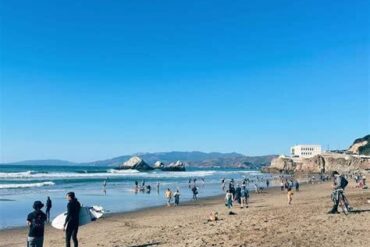
Ha’atafu Beach, long considered one of the South Pacific’s most pristine stretches of sand, now stands as a benchmark for environmental commitment. Once challenged by tourist litter and storm-washed plastics, Ha’atafu is experiencing a resurgence, with local communities and students forming regular volunteer patrols to maintain its cleanliness.
Under the guidance of the Ministry of Tourism’s Beautification and Tourism Sites Development Division, new trash segregation stations and awareness signage have been erected to inform visitors about the importance of conservation. Moreover, traditional leaders and elders are playing an active role, reminding the younger generation of their custodial duties to nature.
Halaika Beach: From Neglect to Natural Showcase
Halaika Beach, previously overlooked in many tourism circuits, has emerged as one of the most successful examples of the campaign’s impact. What was once a quiet shoreline with pockets of illegal dumping is now a clean and rejuvenated coastline, frequented by families and eco-conscious tourists.
The site has also become a local hub for NO PLASTIC awareness initiatives. As part of the National Single-Use Plastics Roadmap, local NGOs and school programs organize education workshops, where youth learn to replace plastic bottles and bags with traditional alternatives like woven baskets and coconut-shell containers.
The Nuku’alofa Waterfront: The Capital’s Green Transformation
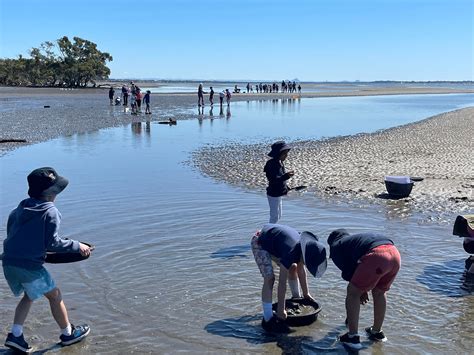
No location embodies Tonga’s ambition more than the Nuku’alofa Waterfront. Situated along the historic Vuna Road, this urban seaside stretch is central to Tonga’s identity and visitor experience. Now, it is undergoing a major beautification and environmental cleanup, with weekly volunteer waves sweeping debris from its promenade and foreshore.
This high-visibility location has been chosen as the symbolic heart of the campaign, reflecting both the government’s and citizens’ shared responsibility. Tourist boards, hotels, food vendors, and maritime authorities have united under a single motto: “Clean Shores, Clean Future.” The public’s growing participation is further fueled by pride, as this stretch often serves as the royal arrival point and event hub.
National Village Competition Reignited: Cleanliness as Culture
To deepen grassroots engagement, the Ministry has relaunched the Tonga Annual National Village Clean-Up Competition, reinvigorating a sense of friendly rivalry among the kingdom’s villages, including remote locations such as Niuatoputapu and Niuafo’ou.
Inspections are conducted quarterly, with scores given based on waste reduction, beautification, and innovation. Winners receive honors at the Annual Royal Agriculture, Fisheries, Tourism & Trade Show, turning environmental excellence into a matter of cultural prestige.
Inter-Ministry Collaboration: A Government-Wide Approach
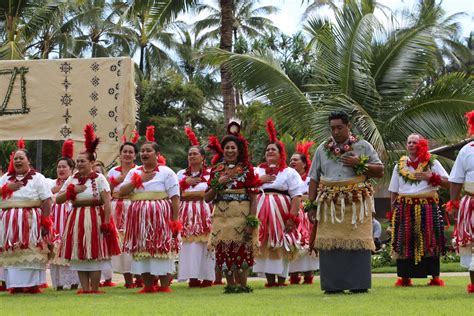
Tonga’s Cabinet further institutionalized the movement by approving a Monthly Inter-Government Ministries Clean-Up Campaign on March 28, 2025. Every ministry is now required to clean designated areas on the last Friday of each month, encouraging ownership and accountability across all sectors.
This novel approach does more than just keep government properties clean. It establishes a replicable model of inter-agency collaboration that other Pacific nations may look to as a blueprint. The initiative also integrates metrics for compliance and progress, offering the public real-time updates and transparency.
Aligning Environmental Health with Economic Prosperity
Tourism represents a vital economic pillar for Tonga, contributing significantly to GDP and employment. The Clean-Up Tonga Campaign 2025 is strategically designed to align with eco-tourism development, ensuring the nation attracts responsible travelers who value culture, nature, and conservation.
Rather than relying solely on glossy advertising, Tonga is investing in authenticity—inviting travelers to experience the raw, unfiltered beauty of its coasts and villages. With input from stakeholders such as the Ports Authority, Tonga Waste Authority, MEIDECC, and various churches and NGOs, the campaign is embedding sustainability into every link of the tourism value chain.
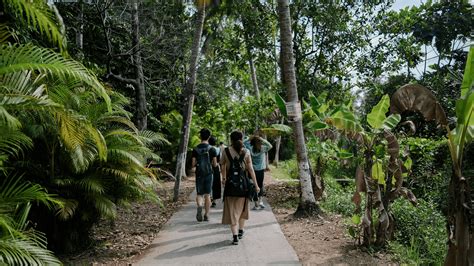
Educational Outreach and Cultural Integration
At the campaign’s core is a commitment to education and cultural continuity. Workshops, art competitions, traditional storytelling sessions, and community radio broadcasts all aim to reinforce environmental values rooted in Tongan heritage.
By blending modern science with ancestral knowledge, Tonga is cultivating an environmental ethic that resonates across generations. School programs emphasize marine conservation, composting, and climate adaptation. Churches are hosting green sermons, and local artists are incorporating recycled materials into traditional crafts.
Long-Term Vision: Tonga as a Pacific Leader in Sustainability
As the campaign enters its midyear phase, the Ministry of Tourism is already planning for legacy impacts beyond 2025. The goal is to transform temporary clean-up efforts into permanent environmental systems, supported by legislation, funding, and civic participation.
There is a broader ambition at play: to position Tonga as a regional leader in sustainability. This campaign is a declaration that small island states, despite limited resources, can achieve world-class environmental outcomes through unity, purpose, and cultural resilience.
Tonga’s Clean-Up Campaign 2025 is not just removing plastic and debris—it’s redefining what it means to be a steward of paradise. In a world grappling with climate crises and ecological decline, this South Pacific kingdom offers a powerful narrative of hope, rooted in action.
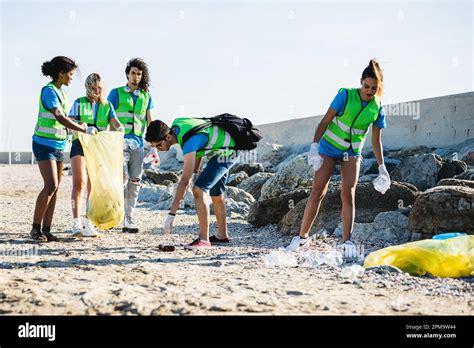
Conclusion: A Cleaner Tonga for Future Generations
Through strategic planning, grassroots involvement, and cross-sector coordination, the Clean-Up Tonga Campaign 2025 is setting a powerful precedent. It demonstrates that even the most remote island nations can rise as beacons of sustainable development, given the right blend of leadership, tradition, and public spirit.
As Ha’atafu, Halaika, and the Nuku’alofa Waterfront continue to sparkle under the South Pacific sun, they stand as testaments to what can be achieved when a nation commits not just to cleaning up—but to standing up for its future.