Thailand has set a remarkable precedent in the realm of sustainable travel by successfully hosting the Travel Mart Plus 2025 in Chiang Mai, an event that has earned the prestigious Carbon Neutral Event Self Declaration status. This milestone represents not just a victory for Thailand, but a substantial step forward for global standards in eco-tourism and sustainable travel practices. Conducted from June 4 to 6, 2025, at the scenic Royal Park Rajapruek, the event showcased Thailand’s unwavering commitment to environmental stewardship and responsible tourism.
With sustainability firmly embedded in its tourism development strategy, TTM+ 2025 demonstrated how international travel industry gatherings can have a meaningful impact on both the environment and society while simultaneously creating business opportunities. The achievement of carbon neutrality during this event exemplifies Thailand’s ambition and sets an inspiring model for future tourism events around the world.
A Firm Commitment to Environmental Responsibility
The meticulous planning and execution of TTM+ 2025 were underscored by a deep commitment to environmental responsibility. The event organizers collaborated closely with the Provincial Electricity Authority (PEA) to monitor and assess the carbon footprint generated throughout the event. This partnership ensured that every aspect—from venue operations to waste management—was thoroughly evaluated for its environmental impact.
Every single carbon emission produced at the Royal Park Rajapruek was fully offset through the Carbon Knox Declaration platform, emphasizing Thailand’s capability to host large-scale tourism events while maintaining a minimal environmental footprint. This initiative aligns seamlessly with global climate action goals and the increasing demand for sustainable tourism solutions. The carbon neutrality achieved at TTM+ 2025 serves as a powerful example of how the tourism sector can balance economic pursuits with ecological preservation, providing valuable insights for other nations eager to develop responsible tourism infrastructures.
Impressive Emissions Reduction and Waste Diversion
A standout feature of TTM+ 2025 was its significant reduction in greenhouse gas emissions. Over the course of the three-day event, an impressive total of 669.84 kilograms of carbon dioxide equivalent (kgCO₂eq) emissions were mitigated. To put this into perspective, this reduction mirrors the carbon absorption capabilities of 47 mature trees, providing a clear illustration of the event’s positive environmental impact.
Additionally, the comprehensive waste management system implemented during TTM+ 2025 diverted an astounding 1,080.63 kilograms of waste from landfill disposal. The waste generated was meticulously sorted into distinct categories: 555 kilograms of general waste, 425 kilograms of food waste, and 100.63 kilograms of recyclable materials. This systematic approach maximized the amount of materials processed through environmentally friendly methods, thereby minimizing the overall ecological footprint of the event.
Collaborative Efforts for Circular Waste Management
A pivotal aspect of the event’s sustainability success was the proactive collaboration with organizations such as Central Tham and Recycle Day, both dedicated to advancing responsible waste management solutions in Thailand. These partnerships facilitated the responsible collection, processing, and repurposing of waste produced during the event.
Organic waste, including food scraps, was transported to Chiang Mai University, where it was utilized for biogas production. This innovative waste-to-energy process not only reduced dependency on landfills but also generated renewable energy, reinforcing Thailand’s commitment to circular economy principles. Concurrently, recyclable materials, such as PET plastics and other reusable items, were processed through certified recycling facilities, ensuring that valuable materials reentered the production cycle instead of contributing to environmental degradation.
Zero Food Waste Strategy Supports Local Communities
Beyond its environmental initiatives, TTM+ 2025 placed a strong emphasis on social responsibility through its zero food waste initiative. Any excess prepared food that remained unconsumed during the event was carefully collected, packaged, and redistributed to vulnerable communities in the Chiang Mai area. In total, 300 food and water packages were delivered to local orphanages and schools, directly benefiting disadvantaged children and further embedding the event’s positive legacy within the host community. This initiative reflects Thailand’s holistic approach to sustainable tourism—recognizing the importance of social equity alongside environmental preservation.
Strengthening Thailand’s Global Tourism Business Platform
While sustainability was undoubtedly the hallmark of TTM+ 2025, the event also succeeded as a prominent global tourism business forum. More than 13,000 scheduled business appointments were conducted over the three days, significantly surpassing expectations and demonstrating Thailand’s enduring appeal as a premier international travel destination. The event welcomed 406 buyers from 51 countries, showcasing the diverse range of Thailand’s tourism partnerships across global markets.
These buyers engaged with 450 sellers, who presented a wide spectrum of travel products, ranging from luxury accommodations and adventure experiences to wellness retreats and cultural tours. Furthermore, 117 media representatives from around the world attended the event, amplifying Thailand’s message of sustainable growth and responsible tourism to a global audience. The extensive media coverage generated by TTM+ 2025 further elevated Thailand’s profile as a forward-thinking and environmentally conscious travel hub.
Chiang Mai: A Model Destination for Eco-Friendly Events
The selection of Chiang Mai as the host city for TTM+ 2025 was a strategic decision that underscores its growing prominence as a leader in sustainable urban tourism development. Nestled in Northern Thailand, Chiang Mai offers a unique blend of rich cultural heritage, vibrant natural landscapes, and progressive environmental policies, making it an ideal location for eco-friendly events.
The Royal Park Rajapruek, the official venue for TTM+ 2025, provided an exceptional setting, with its botanical gardens and sustainable design elements. The park’s commitment to environmental best practices aligned perfectly with the event’s carbon neutral objectives, establishing it as a showcase location for future green events in the region. Chiang Mai is actively advancing its sustainable tourism growth by implementing conservation efforts, supporting community-driven travel experiences, and encouraging responsible wildlife interactions. The city’s focus on preserving its natural and cultural assets while fostering economic development offers valuable lessons for other destinations seeking to balance tourism growth with sustainability.
Advancing Thailand’s Role in Global Sustainable Tourism Leadership
The successful execution of TTM+ 2025 as a Carbon Neutral Event positions Thailand as a global pioneer in sustainable tourism innovation. As international travelers become increasingly aware of their environmental impact, the demand for eco-friendly travel experiences is skyrocketing. Thailand’s proactive leadership in this arena ensures its continued relevance and competitiveness in the global tourism sector. Sustainability has now become a non-negotiable pillar of Thailand’s national tourism agenda. By setting rigorous standards and demonstrating achievable results, Thailand encourages the global tourism industry to adopt similar practices, driving systemic change across borders.
A Holistic Vision for the Future of Travel
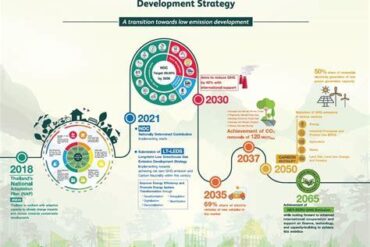
TTM+ 2025 is reflective of a broader transformation occurring within Thailand’s tourism ecosystem. Authorities are actively fostering a tourism model that prioritizes community involvement, resource conservation, and cultural preservation. This vision encompasses responsible business practices, inclusive growth for local populations, and the integration of green technologies into tourism operations. From deploying smart infrastructure and clean energy solutions to promoting lesser-known travel destinations that help disperse tourist traffic, Thailand’s multi-faceted sustainability roadmap seeks to ensure that tourism remains a source of long-term prosperity without compromising environmental integrity.
The lessons learned and successes achieved at TTM+ 2025 will serve as a blueprint for upcoming events throughout Thailand. With growing international attention, Thailand’s model may soon influence tourism policies far beyond Southeast Asia, inspiring similar efforts in regions across the globe.
Setting Global Benchmarks for Low-Impact Tourism
By successfully hosting TTM+ 2025 as a carbon neutral event, Thailand has communicated a powerful message to the global travel industry: it is indeed possible to conduct high-profile tourism events that balance economic growth with environmental and social responsibility. This accomplishment positions Thailand not only as a premier travel destination but also as a global thought leader in the evolving field of sustainable tourism. It illustrates the country’s ability to adapt, innovate, and lead at a time when environmental challenges demand urgent collective action.
As Thailand continues to expand its influence in global tourism dialogues, events like TTM+ 2025 will serve as key reference points for how the industry can evolve to meet the demands of the twenty-first century. Thailand’s holistic approach—combining carbon management, waste reduction, community engagement, and global partnerships—provides a comprehensive model that others can replicate and scale.
Thailand’s Bold Path to Sustainable Tourism Excellence
The Thailand Travel Mart Plus 2025 in Chiang Mai stands as a landmark achievement, offering a clear vision of how the tourism industry can operate responsibly, inclusively, and sustainably. By achieving Carbon Neutral Event Self Declaration status, Thailand has not only demonstrated operational excellence but also reinforced its long-term commitment to environmental stewardship, global leadership, and community well-being. Through its successful organization of Travel Mart Plus 2025, Thailand has redefined global eco-tourism, showcasing world-class sustainability through high-tech carbon offset, zero-waste management, and innovative environmental leadership. As the world grapples with the dual challenges of climate change and over-tourism, Thailand’s pioneering example offers hope and guidance for a more balanced, equitable, and sustainable future for global travel.