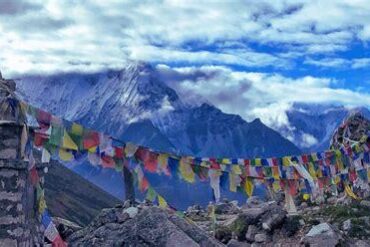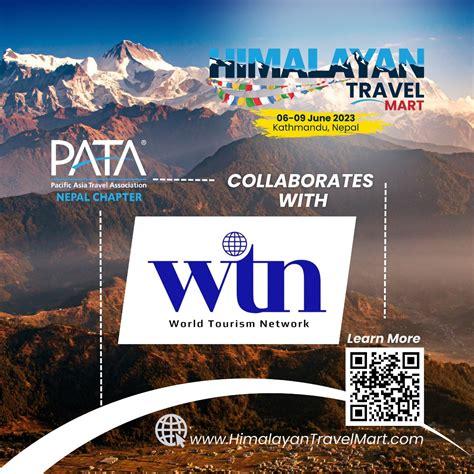
Nestled in the heart of the Himalayas, where ancient traditions meet raw natural beauty, Nepal is quietly orchestrating a tourism revolution. At the center of this transformation is the Himalayan Travel Mart (HTM) 2025, an annual gathering that has evolved into one of South Asia’s most significant travel forums. This year, the event not only brought together stakeholders from across the globe but also amplified a profound message: Nepal is ready to redefine how the world experiences mountain tourism.
In an exclusive conversation with Travel and Tour World, Mr. Khem Lakai, Chairman of the Pacific Asia Travel Association (PATA), Nepal Chapter, offered an insider’s view on Nepal’s aspirations, challenges, and roadmap toward becoming a sustainable international tourism hub.
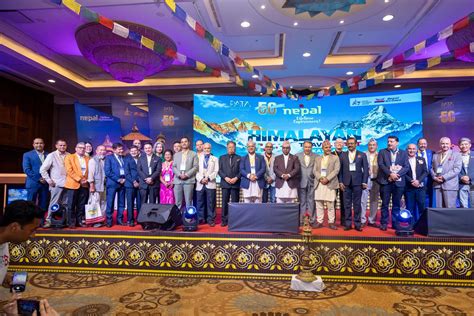
Mr. Lakai perceives HTM as more than just a trade show; he describes it as “a festival” where buyers and sellers of Himalayan tourism gather not merely to network, but to celebrate a shared love for travel. The fifth edition of HTM, hosted in Kathmandu, saw buyers from over 30 countries and sellers from six. Despite space limitations, the event managed to maintain high quality in terms of attendees and experiences. What makes this event unique is its dual nature—it’s equal parts business and cultural immersion. “Travel and tourism are about joy, about discovery. This mart creates an environment where we talk business during the day and celebrate diversity in the evening,” Lakai adds.
The Himalayan Identity: A Region Without Borders
The Himalayas are often romanticized in travel literature, but Lakai offers a grounded, interconnected perspective. He emphasizes that “the Himalayas aren’t just Nepal; they stretch from India through Bhutan to Tibet.” When discussing Himalayan tourism, it refers to a region without borders—a unified ecological and cultural system. This borderless approach transforms HTM into a platform for collaboration rather than competition. It underscores the shared responsibility of Himalayan nations in combating climate change and preserving the ecosystem.
Post-Pandemic Reawakening: Moving from Volume to Value
After the pandemic decimated the global travel industry, Nepal has experienced a strong comeback, welcoming over 1 million tourists in 2024. However, Lakai is not fixated on numbers; he stresses the need to shift from volume to value. “We don’t need just more tourists; we need the right kind of tourists—mindful travelers who desire authentic experiences and are willing to invest in them.” He asserts that Nepal is well-positioned to cater to this emerging demographic. With new resorts, trekking routes, wellness retreats, and a growing digital infrastructure, the country is rapidly adapting to post-pandemic expectations.
Exploring New Frontiers: Beyond Everest
Despite having 1,310 peaks over 6,000 meters, Nepal’s tourism still predominantly revolves around iconic names like Mount Everest and Annapurna. Lakai argues that this over-concentration needs to change. “We have dozens of untapped routes, pristine villages, and less-trodden trails,” he notes. “These locations offer the same Himalayan magic, minus the crowd.” Diversification is essential, not only for tourist satisfaction but also for sustainability. The overwhelming consensus is that travelers today seek solitude, nature, and genuine interactions with locals, all of which Nepal can abundantly provide.
Community and Well-being: The Future Pillars of Tourism
One of the most heartening trends observed by Lakai is the rise of community tourism. He states, “Travelers today want to experience real culture—not a curated, five-star version of it.” This trend includes opportunities for visitors to enjoy local meals, stay in traditional homestays, or learn to weave handicrafts. Concurrently, well-being tourism is surging. Given its serene landscapes, yoga traditions, and holistic healing retreats, Nepal stands out as an ideal destination for such experiences. Lakai reflects, “Walking in the Himalayas is not just physical exercise; it’s therapy for the soul.”
Addressing the Challenge of Readiness
Yet, the road ahead is fraught with challenges. Lakai acknowledges that the primary issue is infrastructure in lesser-known areas. “Tourists may reach a stunning village, but if there’s no clean place to stay or local food to enjoy, it becomes a problem.” Most facilities are concentrated in traditional tourist hubs, making it crucial to expand basic infrastructure like mountain lodges, sanitation, and roads to remote regions. However, Lakai sees this as a golden opportunity. “This is where business potential lies—creating experiences in untouched places with basic comforts and authentic hospitality.”
Embracing Digital Innovation & Visa Simplification
Lakai highlights the significance of digitization and ease of access in attracting modern tourists. “Convenience is paramount. A cumbersome visa process or lack of online booking options can deter potential visitors,” he warns. He commends Nepal’s recent initiatives to simplify its visa-on-arrival policy and advocates for further advancements in e-visas, drawing inspiration from countries like Singapore and Turkey. During a recent trip to Turkey, he experienced the efficiency of seamless digital processes, noting, “I filled out the form, paid online, and had my visa in my inbox within minutes. That’s how it should be.”
Local Wisdom, Global Appeal
What lends weight to Lakai’s perspective is his deep-rooted connection to the region. He views tourism not merely as an industry but as a conduit for human connection. One of his cherished travel memories involved persuading a Bhutanese driver to take him to a local eatery instead of a luxury hotel. “That local meal was the most memorable part of my trip,” he reminisces. “It reminded me that travel is about people, not places.” He echoes the sentiment of Dr. Taleb Rifai, former UNWTO Secretary-General: “A country best enjoyed by its own people is the country tourists will love.” Lakai firmly believes that if local citizens cherish their culture, food, and festivals, that joy will resonate with visitors.
Looking Ahead: Shaping the Future of Travel
As HTM 2025 draws to a close, one thing is unmistakable: Nepal is not just riding a tourism wave; it’s shaping it. With thoughtful planning, profound cultural awareness, and a steadfast commitment to sustainability, the country is constructing a model for the future of travel. Lakai concludes, “Tourism is not about luxury anymore; it’s about meaning. People travel to find something deeper—connection, healing, joy. Nepal has all of that. Now it’s up to us to offer it the right way.” With visionary leaders like Khem Lakai at the helm, the future of Nepal’s tourism appears not only promising but profoundly inspiring.