In 2025, America’s most celebrated urban destinations—San Francisco, Las Vegas, New York City, Chicago, Miami, and Boston—are witnessing an unprecedented slump in international leisure travel. Political tensions, visa complications, rising costs, and shifting global preferences have converged into a perfect storm, undermining billions in tourism revenue and unsettling workforces that depend on the steady stream of foreign visitors.
Once synonymous with bustling streets, world‑class dining, and sold‑out landmarks, these cities now face quieter sidewalks, softer hotel bookings, and boardwalks less crowded with cameras and guidebooks. The drop is not a seasonal wobble: industry data show international visitor spending in the U.S. sliding from $181 billion in 2024 to an estimated $169 billion in 2025. Domestic tourism remains stable, but without the lifeblood of overseas guests, many local economies teeter on the brink of serious contraction.
The reasons for the downturn are complex yet interlinked. Geopolitical friction—often dubbed the “Trump effect”—has stoked travel anxiety in Europe, Canada, and parts of Asia. Stricter visa protocols and border checks slow entry, while stories of immigration crackdowns reinforce negative perceptions. Meanwhile, a strong U.S. dollar and surging accommodation and dining prices mean that destinations once viewed as must‑see bargains now feel exorbitant compared to competitive offerings in Europe and Asia.
San Francisco at a Crossroads
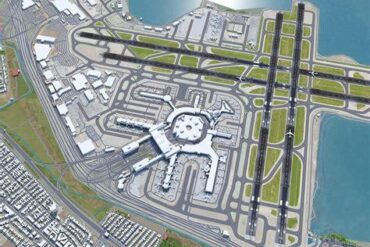
San Francisco International Airport (SFO) has rebounded remarkably, handling 93% of its pre‑pandemic passenger volume and boasting international arrivals roughly 10% above 2019 levels. Yet, paradoxically, international leisure stays in the city proper have fallen by about 5%. Many travelers disembark at SFO only to transfer onward—into Silicon Valley for tech events, onto connecting flights, or straight to conferences—without sampling the iconic Golden Gate vistas or historic districts.
Local hoteliers and restaurateurs report near‑full runways but quiet rooms and tables. “We see the planes, but we don’t see the guests,” laments Joe D’Alessandro of the San Francisco Travel Association. With international tourists staying fewer nights or bypassing the city altogether, businesses that once relied on long‑haul visitors now scramble to fill capacity through domestic promotions and digital marketing blitzes.
Convention Business Pulling Heavy Weight
San Francisco’s one indisputable tourism anchor in 2025 is the convention circuit. The Moscone Center’s calendar is nearly sold out, hosting marquee gatherings such as the RSA Cybersecurity Conference and Microsoft Ignite. These events are projected to drive roughly 667,000 room nights—up 70% from the previous year—pushing downtown hotel occupancy to around 64.4% and lifting average daily rates to approximately $233. Revenue per available room (RevPAR) is on course for a 5% boost, underscoring how business travel has become the city’s primary lifeline.
During major conferences, the downtown corridor transforms: taxis shuttle delegates nonstop, restaurants see early‑bird lunches and late‑night dinners, and local bars hum with networking chatter. Yet this surge comes at a cost: without broad leisure foot traffic, neighborhoods beyond the financial district remain subdued, and revenue spikes evaporate once convention doors close.
Tourism Headwinds: Politics, Prices, and Perception
Multiple headwinds have dampened leisure appeal. Geopolitical anxieties—fueled by rhetoric around immigration and visa policy—have driven Canadian visits down by up to 30%, with cross‑border land traffic plunging by nearly a third. European and Asian tourists report apprehension about entry procedures and general uncertainty about U.S. welcome policies.
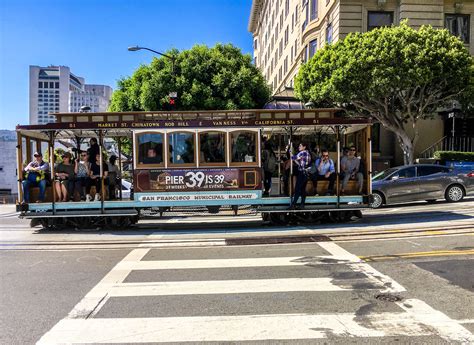
Simultaneously, San Francisco’s status as a premium‑priced destination poses another barrier. Average hotel rates now exceed $230 per night, while a typical dinner can run hundreds of dollars, making the city feel less accessible compared to discounted circuits in Lisbon, Bangkok, or Barcelona. Even iconic attractions like Alcatraz tours or cable‑car rides carry premium fees that add up for budget‑minded travelers.
Beyond cost, narrative plays a role. Media coverage highlighting homelessness, public‑space safety incidents, and visible urban blight has shaped overseas perceptions. While neighborhoods like North Beach and Chinatown continue to exude charm, travel forums frequently warn newcomers to avoid certain blocks after dusk.
The Silver Lining: Infrastructure and Investment
Despite these challenges, San Francisco is investing in a tourism renaissance. SFO’s terminals have undergone a striking transformation—modern art installations, interactive cultural showcases, and local culinary pop‑ups now greet arrivals, encouraging layover explorations and diversions into the city rather than immediate connections.
Citywide, developers are renovating historic hotels and opening new boutique properties, betting on a return of global leisure. Marketing campaigns in key feeder markets—Tokyo, London, Toronto—spotlight curated itineraries that combine tech heritage tours with food‑centric neighborhoods and green‑space adventures. High‑impact events like FIFA World Cup matches in 2026 and the February 2026 Super Bowl have already prompted group bookings and partnership deals with tour operators worldwide.
A Path Forward: Measured Recovery
Projections for 2025 estimate total visitors rising modestly from 23.06 million in 2024 to 23.33 million, with spending inching from $9.26 billion to $9.41 billion. Yet this uptick depends heavily on conventions, domestic travelers, and a slight improvement in overseas sentiment. Full restoration of pre‑pandemic international leisure levels may not occur until 2028 or 2029, contingent on eased visa protocols, a softer dollar, and renewed storytelling that balances reality with aspiration.
Why San Francisco Still Matters
Even amid a downturn, San Francisco’s allure endures. The Golden Gate Bridge remains an architectural marvel at sunset. North Beach’s Italian cafés still serve espresso under vintage neon signs. Chinatown’s Dragon Gate opens onto winding alleys filled with dim sum carts and herbal medicine shops. The Mission’s murals pulsate with color; SoMa’s galleries buzz with experimental art and tech‑driven exhibits.
For the intrepid traveler, the city offers a blend of nature and culture: morning hikes above the fog at Lands End, acoustic performances at the Wave Organ, and hidden staircases like the 16th Avenue Mosaic Steps leading to panoramic city views. Culinary adventurers can chase sourdough at artisanal bakeries, savor dumplings at Good Mong Kok, tackle oversized burritos at La Taqueria, and sample sustainable seafood at Swan Oyster Depot, all within a single afternoon.
America’s Tourism Dip in 2025: A National Snapshot
San Francisco’s experience is mirrored in peer cities across the country. Collectively, international visitor spending in the U.S. is projected to drop by over $12 billion year‑over‑year. Key highlights include:
- New York City: Facing a 17% decline in foreign arrivals—equivalent to 800,000 fewer tourists—Broadway houses and landmarks like the Empire State Building report softer attendance. The Metropolitan Opera’s overseas audience has fallen from 20% to 11%, translating to an estimated $4 billion in lost economic activity.
- California Coastal Hubs: Statewide international entries are off more than 9%, amplified by wildfire concerns in Los Angeles and visa backlogs that deter festival and beachgoers alike.
- Florida: With Canadian tourism down, Orlando and Miami both underperform projected holiday season figures, driving a near‑9% year‑over‑year tourism decline.
- Hawaii: Island arrivals dipped ~4% in summer 2025, costing an estimated $1.6 billion in visitor spending as long‑haul travelers seek closer, more affordable escapes.
Policy friction, high costs amplified by a strong dollar, and negative media narratives have collectively reshaped traveler decision‑making. Recovery to 2019 inbound levels may extend to 2029 according to Oxford Economics, prompting cities to intensify marketing, rethink pricing strategies, and develop new attractions to reclaim their global edge.
Las Vegas Deep Dive
Las Vegas epitomizes the boom‑and‑bust cycle of American tourism. In May 2025 alone, visitor attendance fell by 6.5%, following a 5.1% drop in April. Gaming revenue slid by roughly 11%, while Harry Reid International Airport saw a 3.9% dip in passenger traffic. Reports of a $33 bagel, $26 bottled water, and excessive resort fees have surfaced in global publications, reinforcing visitors’ perception that Sin City’s glamour comes with an ever‑higher price tag.
Compounding these economic factors are political currents. The so‑called “Trump slump” in travel sentiment has prompted Canadian visits to Vegas to tumble 21.7% in May, with policymakers like Senator Jacky Rosen warning that international tourism is “in trouble.” Meanwhile, convention attendance has softened—Q1 2025 numbers show a 1.6% year‑over‑year decline, throttling a revenue stream that contributed $10.1 billion and supported 70,000 jobs in 2024.
This downturn stands in stark relief against 2024’s record: $55.1 billion in visitor spending, an $87.7 billion total economic impact, and employment for 385,000. Small operators report business down as much as 40%, and downtown crowds that once filled casinos and shows have thinned substantially.
Yet Las Vegas is pivoting. Major investments in sports—from NFL and NHL franchises to Formula 1 and prospective MLB and NBA bids—aim to diversify appeal. New attractions like Universal Horror Unleashed (opening August 2025) and direct Qantas flights from Sydney target family and international markets. Immersive complexes like Area15 continue expanding, drawing younger demographics with experiential entertainment.
At the same time, the Strip has shifted upscale: the median visitor income now tops $93,000, and luxury hotels, VIP clubs, and fine‑dining establishments proliferate. While this strategy safeguards profit margins, it risks alienating the middle‑income crowds that once defined Vegas as America’s democratic wonderland.
The Crossroads: Navigating Uncertainty
For both San Francisco and Las Vegas—and indeed the broader tapestry of U.S. tourism—the stakes could not be higher. Cities must balance the allure of high‑yield segments with the mass‑market appeal that built their brands. They must lobby for streamlined visa processes and invest in narratives that accurately reflect urban vibrancy alongside honest acknowledgment of challenges.
In 2025, American destinations are at a pivotal juncture. The world remains fascinated by U.S. culture, cuisine, and spectacle, but perceptions of cost and welcome have shifted. The next chapters will be written by those jurisdictions that adapt fastest—rethinking pricing, deploying targeted marketing, and delivering fresh, authentic experiences that remind travelers why they fell in love with American cities in the first place.