The European tourism sector is on the brink of a historic surge, with Spain, France, Italy, Germany, Greece, Portugal, Croatia, and Hungary poised to contribute a staggering €1.9 trillion to the economy in 2025, according to the World Travel & Tourism Council (WTTC). This figure represents an unprecedented 10.5% of the EU’s entire GDP, underlining the significance of travel and tourism as a cornerstone of the continent’s post-pandemic recovery and long-term growth.
In a post-COVID landscape where many industries struggled to regain stability, tourism has not only bounced back but accelerated past pre-pandemic levels. The WTTC report outlines that this resurgence is being driven by massive tourism recoveries in some of the EU’s most iconic and economically pivotal nations. From the sun-drenched beaches of Spain to the Renaissance allure of Italy, and the cultural treasures of Greece and France, Europe’s tourism magnetism is undeniable.
Spain Leads Southern Europe’s Tourism Revival
Spain is forecast to maintain its status as one of Europe’s premier travel destinations, with millions of tourists set to arrive throughout 2025. The country’s tourism revenues have already surpassed 2019 figures, thanks to investments in hospitality infrastructure, aggressive global marketing campaigns, and a commitment to sustainable tourism. Spanish cities like Barcelona, Seville, and Madrid are thriving once again, with their combination of world-class cuisine, vibrant nightlife, and rich heritage drawing visitors from across the globe.
The Balearic and Canary Islands are also seeing record-breaking bookings, underscoring Spain’s multidimensional appeal—offering both cultural immersion and natural beauty. Air connectivity improvements, streamlined visa processing, and increased digital travel platforms have further contributed to this unprecedented growth.
France, Italy, Germany, and Greece: Heritage, Luxury, and Resilience
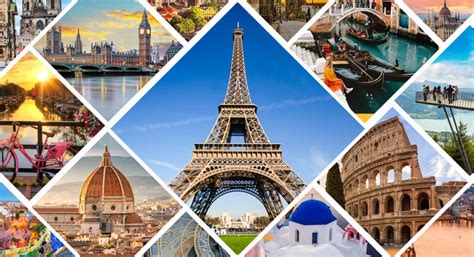
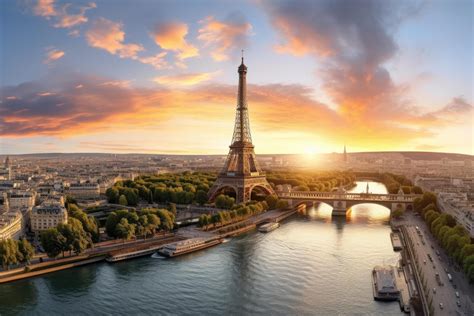
France, the world’s most visited country before the pandemic, is rebounding strongly. With the Eiffel Tower, Versailles, and the charming countryside villages pulling visitors year-round, France’s tourism economy is projected to contribute significantly to the EU’s overall gains. Paris, buoyed by preparations for major international events and luxury tourism trends, continues to serve as a global benchmark for city tourism.
Meanwhile, Italy is capitalizing on its deep cultural reservoirs and gastronomy tourism. Cities like Rome, Venice, and Florence are enjoying full bookings months in advance. The country’s renewed emphasis on slow tourism, particularly in less-visited regions such as Puglia and Umbria, is also helping redistribute visitor spending across the country and reduce overtourism in key urban centers.
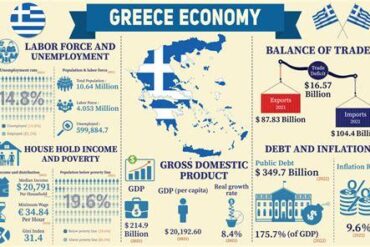
Germany, with its vast offering of festivals, historical sites, and cultural institutions, remains a powerhouse in tourism contributions. The Oktoberfest and Berlin’s cultural scene are strong tourist magnets, supported by efficient transportation networks and sustainable travel models. Greece, after years of economic strain, is now thriving in the tourism space. From Santorini to Athens, its islands and cities are reporting all-time-high accommodation occupancy rates.
Eastern and Southern Europe Joining the Tourism Boom
Countries often viewed as secondary destinations are stepping into the spotlight. Portugal, with its wine valleys, historic Lisbon, and picturesque coastline, has become a top choice for North American and European travelers. The country’s tourism revenue is growing at a compound annual rate that surpasses several Western counterparts.
Croatia has transformed from a niche travel destination to a mainstream hotspot, thanks to its Adriatic coast, medieval towns, and island-hopping routes. Dubrovnik, in particular, continues to benefit from its global fame, while inland tourism is being boosted by eco-travelers.

Hungary, centered around Budapest, is leveraging its thermal spas, architectural grandeur, and affordable luxury travel offerings. Coupled with a rise in cultural festivals and culinary tourism, Hungary’s tourism sector is now a major economic pillar. These trends reflect not just pent-up travel demand but strategic national tourism planning and investment.
Job Creation and Economic Multipliers
Beyond the macroeconomic output, tourism is directly supporting 25.7 million jobs across the European Union—approximately 12% of the workforce. These jobs extend far beyond traditional roles in airlines and hotels. They include positions in local artisan industries, tour operations, event management, digital marketing, and sustainable travel startups.
Rural and urban areas alike are benefiting. In Portugal and Hungary, tourism is bolstering small business ecosystems. In Croatia, tourism has revitalized coastal communities and preserved cultural heritage. Meanwhile, in Germany and the Netherlands, tech-savvy tourism models are creating employment opportunities in AI-based travel services and data-driven marketing.
Digital Innovation and the Rise of the Modern Traveler
The role of digital transformation in powering this tourism boom cannot be overstated. Online platforms now dominate the booking landscape, with AI-driven personalization becoming the norm. Mobile travel apps, virtual concierge services, and real-time translation tools are enhancing the traveler experience while increasing operational efficiency for service providers.
Countries like Estonia, Netherlands, and Sweden are leading this digital shift. Estonia, in particular, has seen strong tourism interest thanks to its e-residency program and digitized tourism services that cater to digital nomads and remote workers.
Sustainability: The Pillar of Long-Term Tourism Growth
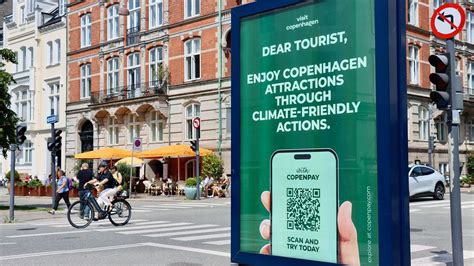
Sustainability is shaping the future of European tourism in a profound way. The EU’s Green Deal and various national environmental mandates are ensuring that tourism does not come at the cost of ecological degradation. In Denmark and Finland, carbon-neutral travel packages and green-certified lodgings are not just available—they are increasingly popular.
In the Mediterranean, Spain, Italy, and Greece are pushing sustainable tourism policies through low-emission zones, promotion of off-season travel, and development of nature-focused itineraries. For instance, Spain’s Camino de Santiago is being redeveloped with eco-hostels and waste-reduction measures. Italy’s rail network now includes luxury eco-trains that offer immersive experiences with minimal carbon footprints.
Investment, Infrastructure, and International Collaboration
The growth of tourism is also attracting massive foreign direct investment (FDI). Hospitality giants are expanding footprints across Europe, particularly in secondary cities and emerging rural destinations. Public-private partnerships are flourishing, financing airport expansions, digital upgrades, and green infrastructure.
Meanwhile, cross-border collaboration within the EU is enhancing regional travel efficiency. Unified visa protocols, high-speed rail networks like those connecting Madrid, Paris, and Rome, and integrated health and safety standards are making it easier for travelers to move freely and safely throughout the continent.
Challenges Ahead: Managing Overtourism and Regional Imbalances
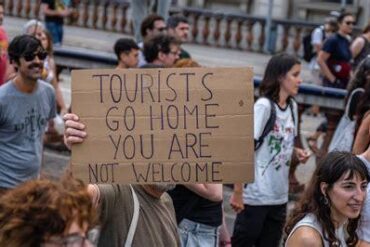
Despite the optimism, European tourism must navigate significant challenges. Overtourism in cities like Barcelona, Venice, and Amsterdam threatens cultural and environmental sustainability. Local communities have raised concerns about cost of living increases and cultural commodification.
The solution lies in redistribution strategies—channeling tourists to lesser-known regions, developing thematic travel corridors, and incentivizing long-stay and off-season travel. Technologies like AI-based crowd management and predictive analytics can also help city planners balance tourist inflows.
Moreover, not all countries benefit equally. While Western Europe thrives, some Eastern and Baltic states still lag behind in infrastructure and marketing. More cohesive EU funding frameworks and knowledge sharing can address these gaps and unlock untapped potential.
The Road to 2025: A Defining Moment for EU Tourism
The €1.9 trillion economic contribution forecast for 2025 is more than just a number. It represents the culmination of recovery, resilience, and reinvention. European tourism is entering a new era—driven by sustainability, powered by innovation, and inclusive in opportunity.
Each member state plays a crucial role in this collective achievement. Whether through Greece’s cultural revival, Hungary’s thermal tourism renaissance, or Portugal’s global gastronomic appeal, the fabric of Europe’s identity is once again being stitched together by the shared experience of travel.
Looking forward, as the EU embraces new travel trends, fosters green policies, and invests in future-forward tourism, it is clear that tourism will not just support economic stability—it will be a primary engine of prosperity, unity, and global leadership.
The numbers tell a story of revival. But the real narrative lies in the streets of Seville, the fjords of Norway, the vineyards of Bordeaux, and the hidden gems of the Balkans—where travelers, businesses, and communities are together shaping the future of European tourism.