As international travel rebounds spectacularly in the wake of the pandemic, projections for the tourism industry are setting new records. By 2025, the United States is poised to stand alongside China, France, Spain, Italy, and several other countries as part of the top ten largest tourism economies globally. According to the latest reports from the World Travel & Tourism Council (WTTC), international travel generated a staggering $10.9 trillion in 2023, with estimates suggesting it could escalate to an impressive $16 trillion by 2034. This remarkable growth underscores the travel and tourism sector’s critical role in driving global economic advancement, contributing over 11% to the world’s GDP.
In the post-pandemic era, nations are intensely competing for prominence within the tourism economy rankings, and many are making significant strides. Notably, India has ascended to the eighth position globally, contributing $231.6 billion to the world’s tourism economy in 2024. However, the landscape of global tourism extends far beyond any single country. This article delves into the top ten tourism economies worldwide, analyzing how each nation is contributing to the recovery and growth of the global tourism industry.
1. United States: The Global Tourism Leader
The United States continues to assert its dominance as the world’s foremost tourism economy. Its diverse landscapes, iconic landmarks, and robust tourism infrastructure collectively contribute to its unparalleled appeal. In 2024, the U.S. is expected to maintain its status as the largest tourism economy globally, with the sector significantly boosting the country’s GDP. Major cities such as New York, Los Angeles, and Orlando draw millions of international visitors each year, solidifying the U.S. as the preferred destination for tourists across the globe.
The attractions range from the stunning natural wonders of the Grand Canyon to the vibrant cultural tapestry of cities like Chicago and Miami. Additionally, America’s theme parks, historical sites, and national parks offer unique experiences that cater to a wide array of interests. As international travel resumes, the U.S. is expected to further enhance its offerings, focusing on sustainable practices and improved visitor experiences to maintain its leading position.
2. China: A Resilient Tourism Powerhouse
Despite facing significant challenges during the pandemic, China has demonstrated remarkable resilience in its tourism sector. Now firmly positioned as the second-largest tourism economy in the world, China is experiencing a resurgence in both domestic and international travel. The nation’s vast cultural heritage, cutting-edge urban centers, and breathtaking natural landscapes continue to attract tourists from around the globe.
In 2024, China is anticipated to witness a substantial uptick in inbound tourism, largely due to relaxed visa policies and the introduction of new international flight routes. Cities like Beijing, Shanghai, and Xi’an remain top destinations, drawing millions with their rich history and modern attractions. The Chinese government’s strategic initiatives to promote tourism, including investments in infrastructure and marketing campaigns, aim to further bolster the sector and enhance the overall visitor experience.
3. France: The Icon of European Tourism
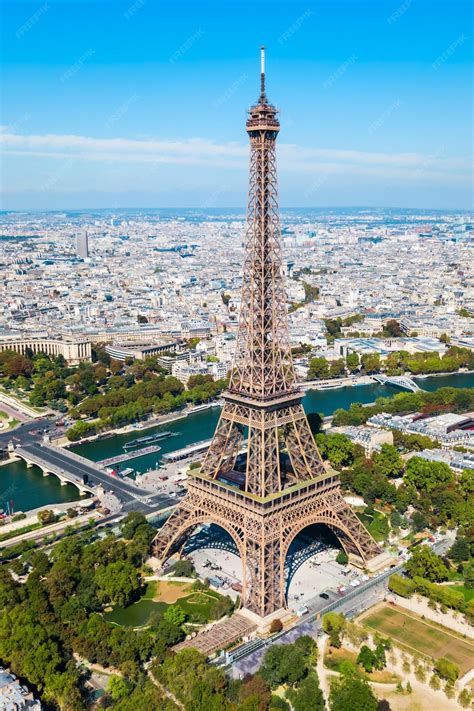
France has long held its reputation as the most-visited country in the world, and its tourism economy is bouncing back robustly following the pandemic. With iconic destinations such as Paris, the French Riviera, and the scenic Loire Valley, France attracts millions of visitors annually. The French government is actively investing in sustainable tourism initiatives and infrastructure development to accommodate the increasing influx of travelers.
Visitors flock to France not only for its stunning landscapes and historical sites but also for its culinary delights and cultural experiences. The emphasis on promoting eco-friendly tourism options has resonated well with travelers seeking sustainable experiences, ensuring that France remains a top contender in the global tourism landscape.
4. Spain: A Mediterranean Powerhouse
Spain is experiencing a significant resurgence in tourism, particularly in vibrant regions such as Barcelona, Madrid, and the Balearic Islands. As one of Europe’s most sought-after destinations, Spain’s tourism economy is projected to grow dramatically in 2024-2025. The Spanish government has been proactive in promoting sustainable travel options, providing tax incentives for eco-friendly businesses, and enhancing transportation infrastructure to improve visitor experiences.
The allure of Spain lies in its rich cultural heritage, stunning architecture, and vibrant nightlife, drawing tourists who seek both relaxation and adventure. As the country continues to innovate and adapt to changing travel trends, its tourism sector is set for a promising future.
5. Italy: A Hub of Culture and History
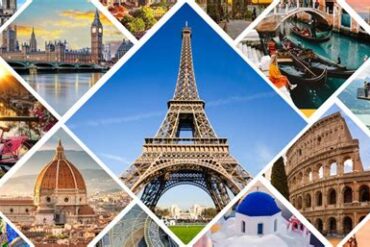
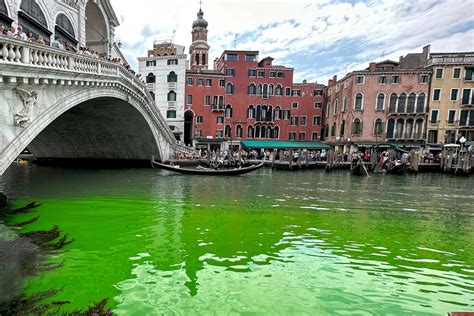
With its deep-rooted cultural heritage, exquisite cuisine, and breathtaking landscapes, Italy stands out as a top global tourism economy. The charm of ancient ruins in Rome, the romantic canals of Venice, and the stunning art in Florence make Italy an enduring favorite among travelers. The rise of luxury tourism and the increasing demand for personalized, off-the-beaten-path experiences have further enhanced Italy’s appeal.
In response to this growing interest, the Italian government is investing in improving transportation networks and hospitality services, aiming to make the country more accessible and attractive to tourists. Italy’s commitment to preserving its cultural heritage while promoting sustainable tourism practices is vital for its continued success in the global tourism arena.
6. United Kingdom: A Blend of Tradition and Modernity
The United Kingdom remains a major player in the global tourism sector, with London recognized as a premier tourism hub. The UK’s rich history, combined with contemporary attractions, continues to entice millions of international visitors each year. Additionally, the growing trend of “staycations” has bolstered domestic tourism, with many exploring the beauty of the countryside and charming villages.
To adapt to evolving tourist preferences, the British government is focused on developing sustainable travel options and enhancing the overall visitor experience, especially in rural areas. With a focus on preserving cultural heritage while embracing modernity, the UK is set to retain its status as one of the world’s top tourism economies.
7. Japan: Tourism Reimagined Post-Pandemic
Japan is witnessing a swift recovery in its tourism sector, buoyed by a steady increase in international arrivals alongside thriving domestic travel. Cities like Tokyo, Kyoto, and Osaka remain top destinations for international tourists, offering a unique blend of tradition and cutting-edge innovation. Japan’s renowned cultural events, technological advancements, and stunning natural scenery continue to captivate travelers year-round.
The Japanese government is committed to promoting sustainable and cultural tourism, ensuring long-term growth in the sector. Initiatives aimed at enhancing accessibility and promoting lesser-known destinations are also in place, encouraging travelers to explore the rich diversity that Japan has to offer.

8. India: A Rising Tourism Giant
India’s ascension in the global tourism rankings is one of the most remarkable narratives of post-pandemic recovery. Contributing $231.6 billion to the world’s tourism economy in 2024, India has secured its place as the eighth-largest tourism economy globally. The country’s rich tapestry of culture, vibrant festivals, and historical landmarks are attracting both international and domestic travelers in unprecedented numbers.
The Indian government is making significant investments to enhance its tourism infrastructure, including new airports, high-speed trains, and luxury hotels, to accommodate the growing influx of visitors. India’s commitment to showcasing its diverse heritage while promoting sustainable tourism practices positions it as a formidable contender in the global tourism landscape.
9. Germany: A Leading European Economic Power
Germany’s tourism sector continues to thrive in 2024, driven by its wealth of cultural landmarks, historical sites, and a burgeoning business tourism industry. Major cities such as Berlin, Munich, and Frankfurt are well-known for their diverse tourism offerings, from art and history to modern attractions.
The German government is focused on promoting sustainable tourism practices and improving accessibility, catering to the needs of international visitors. With a strong emphasis on cultural exchange and sustainability, Germany is poised to solidify its position as a leader in the global tourism economy.
10. Australia: A Growing Tourism Economy
Australia has seen a solid recovery in its tourism industry in 2024, driven by the allure of its breathtaking natural landscapes, vibrant cities, and unique wildlife. The Australian government has heavily invested in promoting regional tourism and diversifying experiences, ranging from eco-tourism to adventure travel.
The focus on sustainable tourism practices is expected to enhance Australia’s reputation as a top global destination. With its rich natural heritage and commitment to providing memorable experiences, Australia is well-positioned to attract travelers from around the world.
Conclusion: A Future-Ready Global Tourism Economy
As the global tourism economy rebounds in 2024-2025, the sector is on track for significant growth in the coming years. With nations like the U.S., China, France, and Spain leading the charge, and emerging destinations like India strengthening their position, the global tourism landscape is evolving rapidly. The tourism industry not only serves as a major economic driver but also plays a crucial role in fostering cultural exchange and promoting international understanding.
Governments worldwide are adopting innovative approaches to encourage long-term sustainability, enhance infrastructure, and create tourist-friendly environments. The future of tourism is brighter than ever as destinations adapt to new trends and the increasing desire to explore the world.