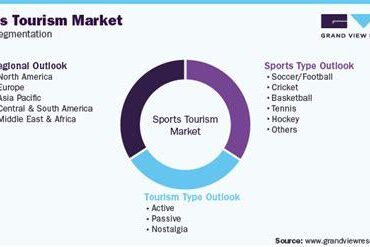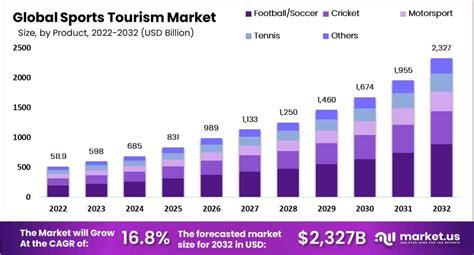
In 2025, the landscape of global sports tourism is poised for a transformation as the United States, Spain, Australia, and South Africa ramp up their efforts to attract sports enthusiasts from around the world. As the industry already accounts for 10% of global tourism spending, it is set to grow by an impressive 17.5% by 2030, according to the UN Tourism Organization. This growth is fueled by the rising trend of sports fans seeking international travel opportunities centered around major sporting events. With iconic tournaments like the FIFA World Cup, the Olympics, and Formula 1 races on the horizon, these countries are making strategic moves to capture the attention of a loyal and high-spending demographic.
Sports fans are among the most dedicated travelers, with nearly 44% of them venturing abroad for events. On average, these enthusiasts spend over $1,500 per person, making them a lucrative target for countries looking to boost their economies through tourism. As the world gears up for a series of international sports spectacles, destinations are strategically positioning themselves to harness the economic impact and growing global interest.
The United States is at the forefront of this competition, preparing to host two monumental sporting events—the 2026 FIFA World Cup and the 2028 Los Angeles Olympics. These prestigious events are expected to draw millions of international visitors eager to experience the thrill of elite sports. Las Vegas, known for its vibrant entertainment and sports scene, hosted its inaugural Formula 1 Grand Prix in 2023, attracting nearly 175,000 out-of-town visitors and contributing an estimated $934 million to the local economy. The city continues to enhance its appeal as a year-round sports destination with major league teams in the NHL, NFL, and soon, MLB.
Meanwhile, Los Angeles is transforming its infrastructure to accommodate the influx of visitors. The newly opened LAX/Metro Transit Center connects the airport to key Metro lines, streamlining transportation for those attending multiple sporting events, including the 2025 US Women’s Open golf tournament, the 2027 Super Bowl, and eight matches during the 2026 FIFA World Cup. Miami is also bolstering its sports tourism offerings, especially following the signing of soccer superstar Lionel Messi in 2023. With plans for the 25,000-seat Miami Freedom Park set to open in 2026 and hosting seven matches during the World Cup, including the much-anticipated Bronze Final, the city expects to attract up to one million visitors and generate $1 billion in economic impact.

Across the Atlantic, Spain has long been recognized as a premier destination for sports fans, particularly those passionate about football. With more than 60% of Spaniards identifying as sports enthusiasts, the country’s sports tourism market is projected to grow significantly. Spending in this sector is expected to see a 13% increase by 2024, reaching approximately $64 million. Cities such as Madrid and Barcelona have embraced this trend, offering stadium tours, club museums, and fan zones that immerse visitors in the local football culture. Many fans now plan entire vacations around attending an El Clásico, the storied rivalry between FC Barcelona and Real Madrid.
The Valencia region is gaining momentum as a sports tourism hub, having launched a dedicated sports tourism program in 2019 with an investment of over €1.4 million in marketing and local business training. In addition to major football events, Valencia will host the 2025 Moto Grand Prix and the 2026 Gay Games, attracting diverse sports fans from all corners of the globe. New stadiums are also under construction, including the Roig Arena, which will become Spain’s largest basketball arena upon completion in late 2025, and the Nou Mestalla, a new 70,000-seat stadium for Valencia CF. These developments highlight Spain’s ongoing commitment to expanding its sports tourism sector.
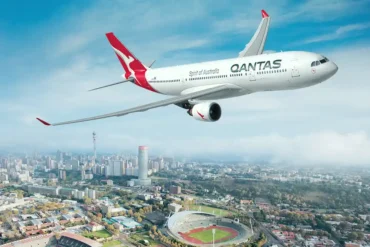
Shifting focus to the Southern Hemisphere, Australia is leveraging its “Decade of Green & Gold” campaign in anticipation of the 2032 Brisbane Olympics to solidify its reputation as a prime sports tourism destination. The country already hosts major sporting events such as the Ashes cricket series, the Rugby World Cup (2027 and 2029), and the Australian Open. Melbourne’s Formula 1 Grand Prix attracts thousands of international sports tourists each year, while the city prepares for its first NFL international series match in 2025, featuring the Los Angeles Rams as the home team—a spectacle expected to break attendance records.
Furthermore, Sydney is making significant strides in sports tourism. The city’s annual marathon recently achieved the prestigious Abbott World Marathon Major status, joining the ranks of global icons like New York and Tokyo. With more than 35,000 runners anticipated in August 2025, this event further cements Sydney’s position as a top destination for sports tourism.

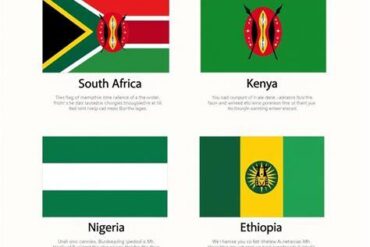
Lastly, South Africa is emerging as a rising star in global sports tourism, thanks to its favorable climate, stunning coastline, and rich sporting heritage. The sector generated nearly $4 billion in 2024 and is projected to reach $10 billion by 2034. Known for its thriving cricket culture, South Africa is gearing up for the 2027 Cricket World Cup, while also being a sought-after destination for golf enthusiasts, boasting over 400 golf courses nationwide. Sports tourism in South Africa transcends mere economic opportunity; it plays a crucial role in promoting social transformation and international unity. Nomasonto Ndlovu, acting CEO of South African Tourism, emphasizes that major events like the Nedbank Golf Challenge, dubbed “Africa’s Major,” along with the success of the Proteas cricket team, will continue to attract fans eager to experience the nation’s vibrant sporting culture firsthand.
As the global sports tourism industry approaches 2025, it is evident that the United States, Spain, Australia, and South Africa are leading the charge in this dynamic arena. By investing heavily in infrastructure, promoting local sports culture, and catering to the evolving needs of sports tourists, these nations are not only enhancing their international appeal but also positioning themselves as the top destinations for fans seeking unforgettable experiences. The future of sports tourism looks bright, with these four countries poised to attract millions of passionate fans, contributing significantly to the global tourism economy.