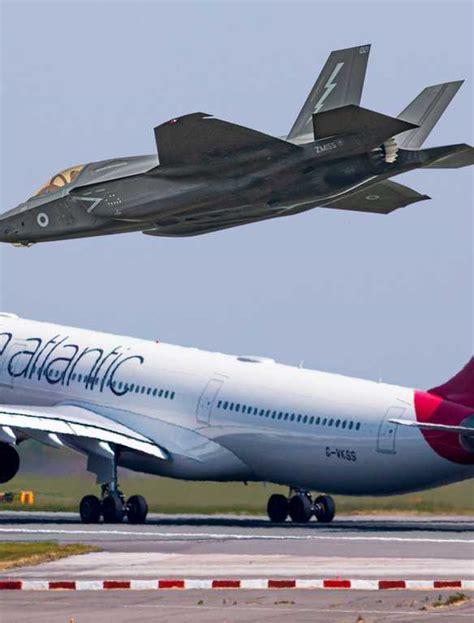
The Royal Air Force (RAF) has spent decades building some of the world’s most capable military aviators. These pilots are trained to operate advanced combat aircraft, make split-second decisions under extreme pressure, and lead missions where mistakes can cost lives. Yet today, some of Britain’s most valuable aviation talent is being pulled toward commercial airlines, with carriers such as Virgin Atlantic offering opportunities that are difficult to ignore.
For the airline industry, an experienced military pilot represents a rare combination of technical ability, leadership, and operational maturity. For the RAF, however, every departure represents the loss of millions of pounds in training investment and years of experience that cannot be quickly replaced.
The figure often cited for training a modern fighter pilot is around £10 million per aviator, particularly for pilots qualified to operate aircraft such as the Lockheed Martin F-35B Lightning II. This enormous investment explains why airlines are aggressively recruiting former military aviators and why the RAF is facing one of its most serious retention challenges in decades.
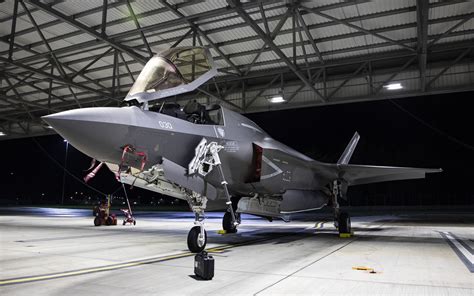
Why Virgin Atlantic Wants Britain’s Rarest Pilots
Virgin Atlantic’s interest in RAF fighter pilots is not simply about filling cockpit seats. These aviators represent a highly experienced workforce that commercial airlines cannot easily create through traditional training programs.
A newly trained airline pilot requires significant financial investment and years of development before reaching senior positions. By contrast, an RAF fast-jet pilot may already have thousands of hours operating complex aircraft, managing high-pressure missions, and making decisions in environments far more demanding than normal airline operations.
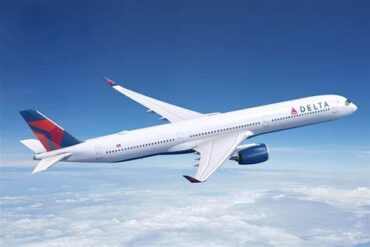
A former Eurofighter Typhoon or F-35B Lightning II pilot already understands advanced avionics, navigation systems, emergency procedures, and disciplined crew coordination. These skills transfer naturally into the commercial aviation world, particularly for long-haul aircraft such as the Airbus A350 and Boeing 787 Dreamliner.
For airlines dealing with a global pilot shortage, recruiting military pilots is a shortcut to obtaining highly qualified professionals. Instead of spending years developing a cadet into a captain, airlines can hire experienced aviators who already possess the judgment and leadership qualities needed for command positions.
Virgin Atlantic and other major carriers are effectively competing for a very limited pool of talent. Britain does not have hundreds of spare fighter pilots waiting for opportunities. The RAF’s fast-jet community is extremely small, making every experienced departure significant.
Britain’s Shrinking Fighter Pilot Community
The challenge facing the RAF is partly the result of decades of defense reductions. Since the end of the Cold War, successive UK governments have reduced military spending and downsized air force capabilities.
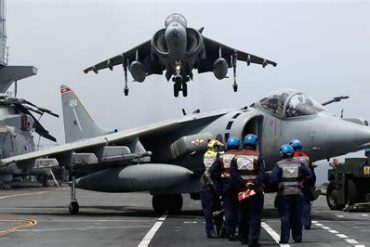
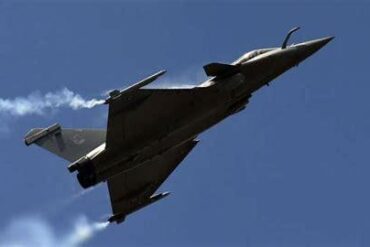
The RAF once operated a much larger fleet of combat aircraft and maintained numerous front-line squadrons. Today, the service operates a much smaller fast-jet force centered around the F-35B Lightning II and Eurofighter Typhoon.
There are only around 48 F-35B-qualified RAF pilots and approximately 150 Typhoon pilots. Within such a limited community, losing even a small number of aviators creates operational pressure.
Unlike commercial airlines, the RAF cannot simply hire replacements from another company. Producing a qualified fighter pilot requires years of training, expensive aircraft, experienced instructors, and constant flying opportunities.
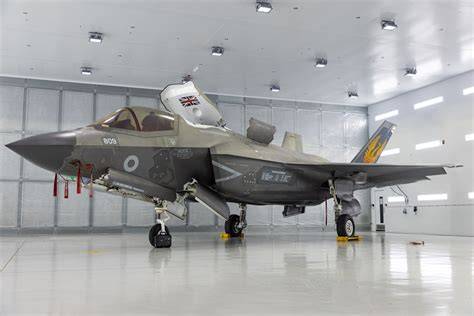
The training process begins with basic flying instruction before progressing through advanced aircraft systems, tactical training, weapons employment, and operational conversion. By the time a pilot becomes combat-ready, the RAF has invested a significant amount of money and resources.
The problem becomes even more severe because experienced pilots are often the same people needed to train the next generation. When senior instructors leave for commercial airlines, the entire training pipeline suffers.
The RAF Training System Struggling Under Pressure
One of the biggest challenges behind the pilot shortage is the UK’s complicated military flying training system.
The UK Military Flying Training System (UKMFTS) was designed to provide a modern pipeline for future military aviators. However, technical problems, limited aircraft availability, and delays have created significant bottlenecks.
The BAE Systems Hawk T2, the RAF’s advanced jet trainer, has experienced reliability problems that reduced available flying hours. When aircraft are unavailable, trainee pilots cannot progress normally.
Some students have spent months or even years waiting between training stages. Instead of building flight experience, they may find themselves performing administrative duties while waiting for aircraft availability.
This creates a serious retention problem. Young pilots join the RAF because they want to fly advanced aircraft and participate in challenging missions. Spending extended periods away from flying can damage motivation and encourage them to consider commercial alternatives.
A military career becomes harder to justify when an airline can offer a significantly higher salary, better lifestyle stability, and predictable schedules.
The £100,000 Salary Difference That Changes Everything
Financial incentives are one of the strongest reasons airlines attract RAF pilots.
A typical RAF pilot salary is significantly lower than what experienced commercial pilots can earn. While military service provides unique benefits and career experiences, airline salaries can quickly become more attractive.
Virgin Atlantic and similar carriers can offer experienced pilots packages exceeding £100,000 per year, with senior captains potentially earning considerably more.
For a pilot who has already invested years into military service, the decision is understandable. Commercial aviation provides the chance to continue flying sophisticated aircraft while spending more time with family and enjoying greater financial security.
From the airline’s perspective, paying a six-figure salary is still economically attractive. Training a civilian pilot from zero experience can cost an airline well over £100,000, while also carrying the risk that the trainee may fail examinations, leave the program, or never reach operational status.
A former RAF fighter pilot eliminates many of those risks.
With more than 1,000 hours of fast-jet experience, military aviators can transition to commercial aircraft through type-rating programs and airline-specific training. Instead of waiting years for a new recruit to mature, airlines gain an experienced professional almost immediately.
Why Losing One Fighter Pilot Costs £10 Million
The £10 million figure associated with fighter pilots reflects the enormous complexity of modern military aviation training.
Training an F-35 pilot requires advanced flight instruction, simulator time, weapons training, tactical exercises, and years of operational development. The aircraft itself costs tens of millions of pounds, while maintaining the supporting infrastructure requires a huge investment.
When a trained pilot leaves the RAF, the service loses much more than an employee. It loses accumulated knowledge, operational experience, and leadership capability.
The replacement process cannot happen quickly. A new recruit may take close to a decade before becoming a fully experienced front-line fighter pilot.
This creates a difficult situation for military planners. The RAF must maintain enough experienced pilots to operate its aircraft today while also training the pilots needed for tomorrow.
How the RAF Is Fighting Back Against Airline Recruitment
The RAF is not ignoring the problem. Instead, it is attempting to improve retention through financial incentives, better living conditions, and a complete overhaul of training.
One approach has been offering retention bonuses of up to £30,000 to encourage experienced pilots to remain in military service.
However, the RAF understands that money alone cannot solve the issue. Many pilots leave because of quality-of-life concerns, outdated facilities, and frustration with slow training progression.
The Ministry of Defence has invested heavily in improving military housing, including refurbishing thousands of service homes. Better accommodation and improved family support are considered essential tools for keeping experienced personnel.
The RAF is also attempting to modernize its training structure by increasing aircraft availability and reducing delays between training phases.
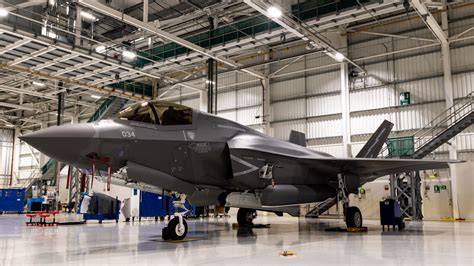
The Future: Human Pilots Working With AI Aircraft
Another major part of the RAF’s long-term strategy is reducing dependence on large numbers of human fighter pilots through autonomous technology.
Instead of relying entirely on traditional fighter formations, future combat operations may involve a human pilot commanding multiple unmanned aircraft.
The concept of loyal wingman drones allows a single F-35 or Typhoon pilot to control autonomous aircraft that perform missions such as electronic warfare, reconnaissance, and precision strikes.
Projects involving collaborative combat aircraft are designed to increase combat capability while reducing the number of human pilots required.
Rather than replacing fighter pilots, the RAF sees these systems as allowing experienced aviators to become battlefield commanders who manage larger networks of aircraft.
This approach could reduce pressure on pilot numbers while maintaining military effectiveness.
A Battle Between Airlines and the RAF for Aviation Talent
Virgin Atlantic’s recruitment of RAF fighter pilots highlights a much larger issue affecting military aviation worldwide.
Commercial airlines need experienced pilots, while air forces need to retain the highly trained personnel they have spent years developing. Both sectors depend on the same limited pool of aviation talent.
For the RAF, the solution requires more than preventing pilots from leaving. It requires rebuilding a system where military aviators feel valued, challenged, and supported throughout their careers.
For airlines like Virgin Atlantic, former fighter pilots represent some of the best aviation professionals available. Their training, discipline, and decision-making skills make them ideal candidates for commercial flight operations.
The competition for Britain’s rarest pilots is unlikely to disappear. As airlines continue searching for experienced aviators and military forces face rising training costs, the value of a single fighter pilot will remain extraordinarily high.
A £10 million investment walks through the cockpit door every time one of these pilots takes control of a modern aircraft. Keeping that expertise inside the RAF may become one of Britain’s most important aviation challenges of the coming decade.