What is JHMCS?
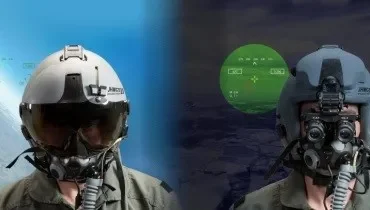
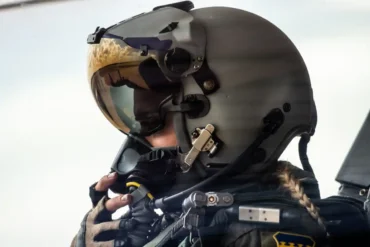
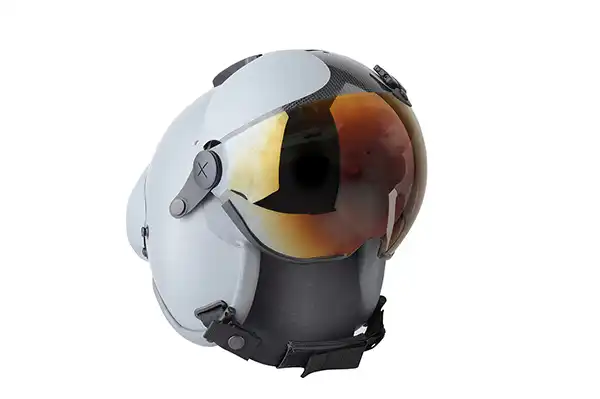
The Joint Helmet-Mounted Cueing System (JHMCS) is a crucial component of the modernization of the F-16 fighter jet. This system grants pilots off-boresight attack capability, allowing them to quickly lock onto and fire at targets without needing to maneuver the aircraft into position. By integrating advanced optical, inertial tracking, and data projection technologies, JHMCS significantly enhances situational awareness and combat efficiency.
Core Functions and Tactical Advantages of JHMCS
1. Off-Boresight Targeting and Engagement
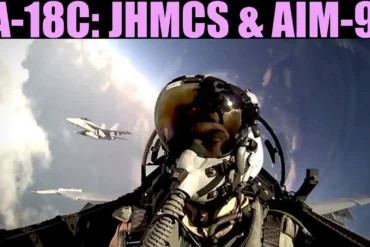
Traditional fighter jets require the target to be within the Head-Up Display (HUD) for aiming. In contrast, JHMCS enables pilots to lock onto targets simply by looking at them. On the F-16, when combined with the AIM-9X missile, JHMCS supports the “look-and-shoot” combat mode, significantly improving Within Visual Range (WVR) air combat effectiveness.
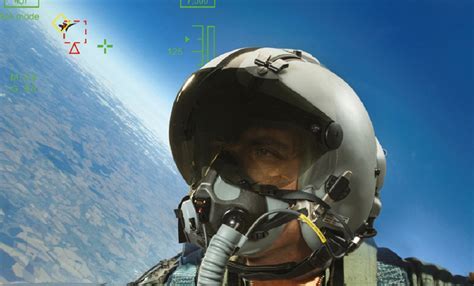
- Expanded target acquisition range: Pilots can lock onto and fire at targets within a 120° field of view, without repositioning the aircraft.
- Reduced enemy evasion opportunities: Unlike traditional HUD-based targeting, JHMCS poses a greater threat to highly maneuverable enemy aircraft.
- Improved multi-target engagement: When integrated with the AN/APG-83 AESA radar, JHMCS allows pilots to track and engage multiple air or ground targets simultaneously.
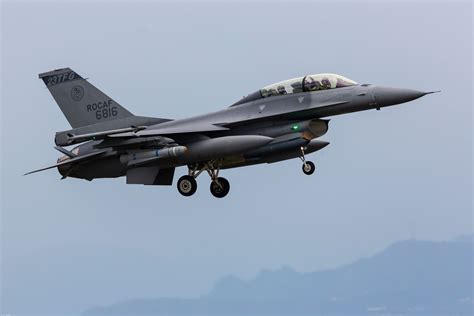
2. Enhanced Situational Awareness
JHMCS projects critical battlefield data, including flight status, weapon status, and target information, onto the Helmet-Mounted Display (HMD), eliminating the need for pilots to glance down at cockpit instruments.
- HUD data projection: Displays airspeed, altitude, heading, radar target data, and more directly on the helmet visor.
- Integration with radar and electronic warfare systems: Includes Radar Warning Receiver (RWR) signals, enemy missile alerts, and tactical situation data.
- Night vision and low-visibility combat: The upgraded JHMCS II incorporates digital night vision sensors, eliminating the need for external night vision goggles.
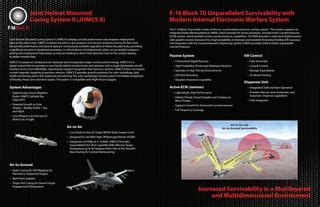
F-16 Variants Equipped with JHMCS
1. F-16 Block 70/72
The latest F-16 Block 70/72 models (such as those used by the Bahraini Air Force) come standard with JHMCS, in combination with the AIM-9X Block II missile and the AN/APG-83 AESA radar, offering superior air-to-air and air-to-ground capabilities.
2. Upgraded F-16V (Viper)
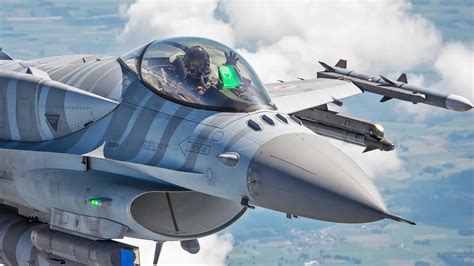
Countries like Poland and Ukraine have upgraded older F-16s to the F-16V standard through Mid-Life Upgrade (MLU) programs, integrating JHMCS and AESA radar. Examples include:
- Polish F-16C/D Block 52+: Upgraded with JHMCS II, improving electronic warfare capabilities.
- European MLU F-16AM/BM variants: Countries like the Netherlands and Denmark have supplied Ukraine with F-16s that support JHMCS and AIM-120C missiles.
Combat Applications of JHMCS
1. Battlefield Experience in Ukraine
With JHMCS-equipped F-16s, the Ukrainian Air Force has significantly improved its dogfighting and missile interception capabilities. Examples include:
- Intercepting cruise missiles and drones: Ukrainian pilots can swiftly lock onto threats, enhancing air defense.
- Engaging Russian fighter jets: JHMCS, when combined with the AIM-9X missile, enables the F-16 to counter Su-30SM, MiG-35, and other Russian aircraft more effectively.
- Increased tactical flexibility: Less reliance on maneuvering tactics, leading to more efficient mission execution.
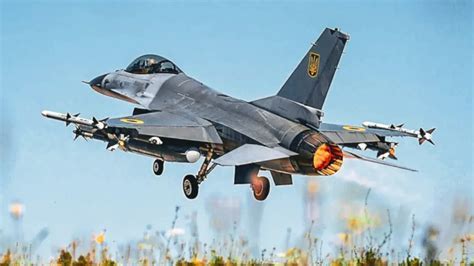
2. Pakistan’s F-16 Performance (2019 India-Pakistan Conflict)
During the 2019 aerial skirmish between India and Pakistan, the Pakistan Air Force (PAF) F-16s used JHMCS in conjunction with AIM-120C-5 missiles to shoot down an Indian Su-30MKI fighter jet. This event demonstrated the combat effectiveness of JHMCS in real-world engagements.
Technical Challenges and Limitations
1. System Integration and Compatibility Issues
Some older F-16 models (MLU configurations) require flight control system modifications to fully support JHMCS functionality. For example:
- Terrain-following systems may require manual adjustments, increasing pilot workload.
- Outdated avionics in certain F-16s may not fully support JHMCS II’s advanced features.
2. Logistics and Training
JHMCS introduces a completely new combat approach, requiring extensive pilot training and technical support. For countries like Ukraine, accelerated training programs are necessary to ensure operational effectiveness.
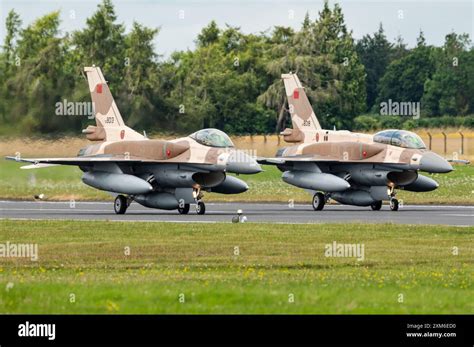
Future Development Trends
1. JHMCS II Upgrades
Future Polish F-16V upgrades will feature JHMCS II, which boasts higher tracking accuracy and improved electronic countermeasure resistance compared to the first-generation JHMCS.
2. Integration with Fifth-Generation Fighters
JHMCS can network with F-35 and E-7A “Wedgetail” AWACS aircraft via data links, enhancing real-time information-sharing and coordinated operations.
Frequently Asked Questions (FAQ)
1. How does JHMCS improve the F-16’s combat effectiveness?
JHMCS enables pilots to target enemies within a wider field of view, allowing rapid missile deployment in dogfights. It also enhances situational awareness and multi-target engagement efficiency.
2. How does JHMCS compare to the F-35’s Helmet-Mounted Display System (HMDS)?
The F-35 employs the third-generation HMDS, featuring advanced Augmented Reality (AR) capabilities, whereas JHMCS is a lighter, cost-effective solution optimized for fourth-generation fighters like the F-16.
3. Can JHMCS be used for ground attacks?
Yes, JHMCS can guide JDAM precision bombs and AGM-65 “Maverick” missiles, enhancing the F-16’s ground strike capabilities.
The integration of JHMCS into the F-16 has revitalized its role in modern air combat. By enhancing target acquisition, situational awareness, and precision strike capabilities, JHMCS remains a critical component of the F-16’s ongoing modernization efforts.