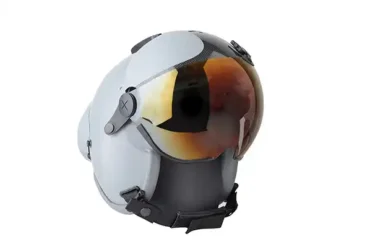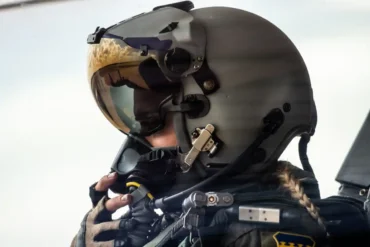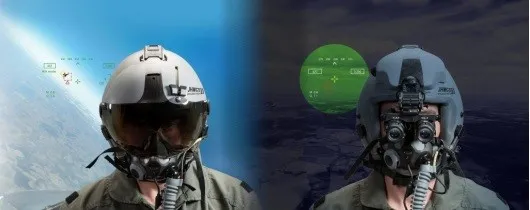
The Joint Helmet-Mounted Cueing System (JHMCS) is a revolutionary avionics technology that significantly enhances the situational awareness and combat effectiveness of F/A-18 Hornet pilots. By integrating head-tracking and information-overlay capabilities, this system allows pilots to lock onto targets simply by looking at them, reducing reaction time and increasing mission efficiency. The JHMCS is a vital component in modern aerial warfare, enabling both air-to-air engagements and precision ground strikes with unparalleled ease.
Core Features of JHMCS
Head Tracking and Target Locking
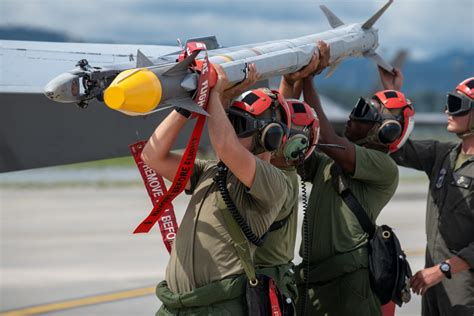
The JHMCS employs a magnetic head-tracking sensor to detect the pilot’s head movements. This allows the pilot to designate and track targets simply by turning their head towards the enemy aircraft or ground objective. The system then feeds this data into the fire control system, enabling rapid engagement with weapons such as the AIM-9X Sidewinder missile. This capability is particularly crucial in dogfighting scenarios, where milliseconds can determine the outcome of an engagement.
Information Overlay and Pilot Awareness
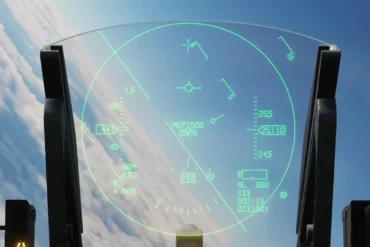
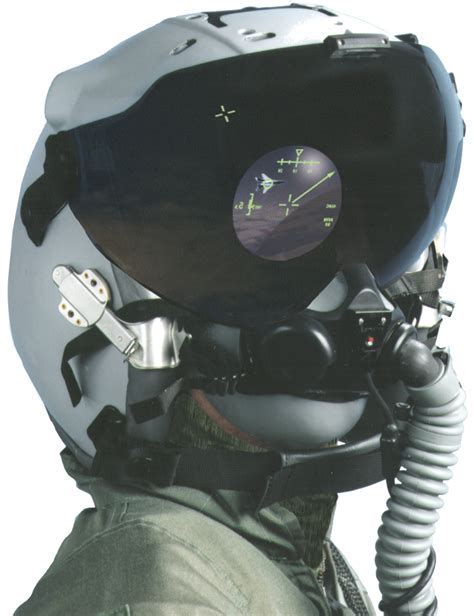
JHMCS projects critical flight data, including airspeed, altitude, weapon status, and threat alerts, directly onto the helmet visor. This eliminates the need for pilots to glance down at their instrument panels, allowing them to remain focused on the battlefield. The seamless integration of visual cues helps reduce pilot workload and improves decision-making in high-pressure situations.
Night Combat Capabilities
Enhanced Night Vision Integration
The JHMCS is compatible with the AN/AVS-9 night vision goggles, allowing pilots to operate effectively in low-light environments. It utilizes white phosphor technology, which enhances contrast and minimizes halo effects. Additionally, the helmet display seamlessly integrates with the F/A-18’s color multifunction displays, ensuring vital mission data remains visible even in complete darkness.
Optimized Night Strike Operations
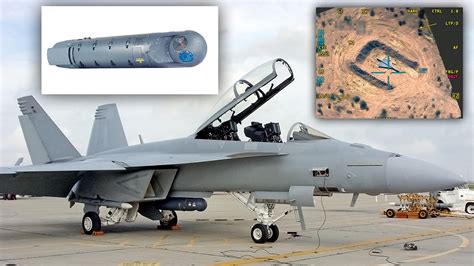
For night attack operations, the F/A-18C/D models equipped with the AN/AAS-38 targeting pod can work in conjunction with the JHMCS to autonomously deploy laser-guided munitions. This capability enables pinpoint accuracy for precision strikes on enemy infrastructure, convoys, or fortified positions, even under adverse visibility conditions.
Multi-Mission Adaptability
Air-to-Air Combat Superiority
JHMCS provides a significant advantage in close-range aerial combat, particularly when combined with the AIM-9X missile’s high off-boresight capability. Pilots can engage enemy aircraft even if they are outside the traditional forward-facing firing envelope, increasing lethality and maneuvering options.
Precision Ground Targeting
In air-to-ground missions, JHMCS integrates with forward-looking infrared (FLIR) pods such as Sniper or LITENING targeting pods, allowing pilots to identify and designate ground targets by simply looking at them. This capability streamlines attack procedures and enhances the accuracy of laser-guided bombs and GPS-guided munitions.
Technological Advancements and Operational Performance
Seamless Avionics Integration
JHMCS is designed to interface with the F/A-18’s radar and weapons systems, including the AN/APG-73 radar and AIM-120 AMRAAM missiles. This compatibility extends the aircraft’s beyond-visual-range (BVR) engagement capabilities, allowing pilots to launch missiles at targets that they cannot see with the naked eye.
Proven Combat Effectiveness
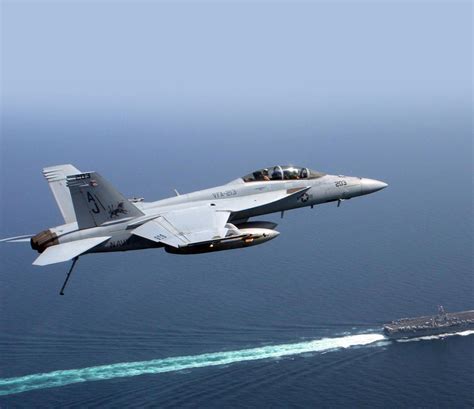
Operational reports indicate that F/A-18 squadrons equipped with JHMCS experience a higher mission success rate. During naval deployments on carriers such as the USS Nimitz, F/A-18 missions achieved a sortie rate of 4.4 per day, significantly outperforming older aircraft like the F-14 Tomcat. The system’s ability to reduce pilot workload and improve targeting efficiency has been a key factor in these performance gains.
Future Developments and Comparisons with F-35 Technology
Evolution of JHMCS Capabilities
Although newer aircraft, such as the F-35 Lightning II, utilize an even more advanced Helmet-Mounted Display System (HMDS) with 360-degree vision and sensor fusion, the JHMCS continues to receive upgrades. Enhancements such as expanded avionics integration and improved software overlays ensure that the F/A-18 remains a formidable combat platform, particularly in cooperative engagements with allied forces.
AI Integration and Smart Combat Systems
Future iterations of JHMCS may incorporate artificial intelligence (AI) assistance to further refine target prioritization and threat response automation. AI-powered analysis could help pilots make even faster decisions in high-intensity engagements, marking the next step in human-machine collaboration on the battlefield.
Conclusion
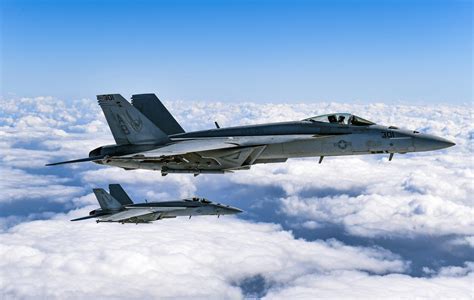
The JHMCS has fundamentally transformed F/A-18 pilot operations, providing unmatched situational awareness, enhanced targeting capabilities, and seamless mission adaptability. From air-to-air combat superiority to precision ground strikes, this technology ensures that the Hornet remains a dominant force in modern warfare. As future advancements continue to refine helmet-mounted display systems, JHMCS will remain a crucial asset in maintaining combat effectiveness for naval and air force operations worldwide.
FAQ
1. How does the JHMCS improve dogfighting capabilities?
JHMCS enhances dogfighting by allowing pilots to lock onto targets simply by looking at them. This feature, combined with AIM-9X Sidewinder missiles, enables pilots to fire at enemy aircraft even outside their traditional forward-facing view.
2. Is JHMCS only used for air-to-air combat?
No, JHMCS is also extensively used for air-to-ground missions. It integrates with targeting pods like Sniper and LITENING to assist in laser-guided bomb deployment, enabling precise strikes on ground targets.
3. How does JHMCS compare to the F-35’s helmet display system?
While the F-35 HMDS offers more advanced features like 360-degree vision and distributed aperture sensors, JHMCS remains a highly effective system for the F/A-18, providing critical situational awareness and target acquisition enhancements.