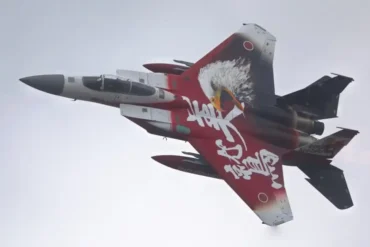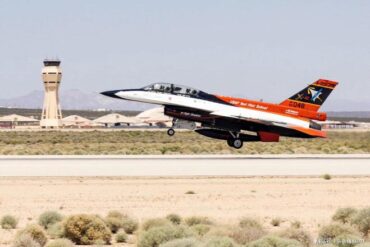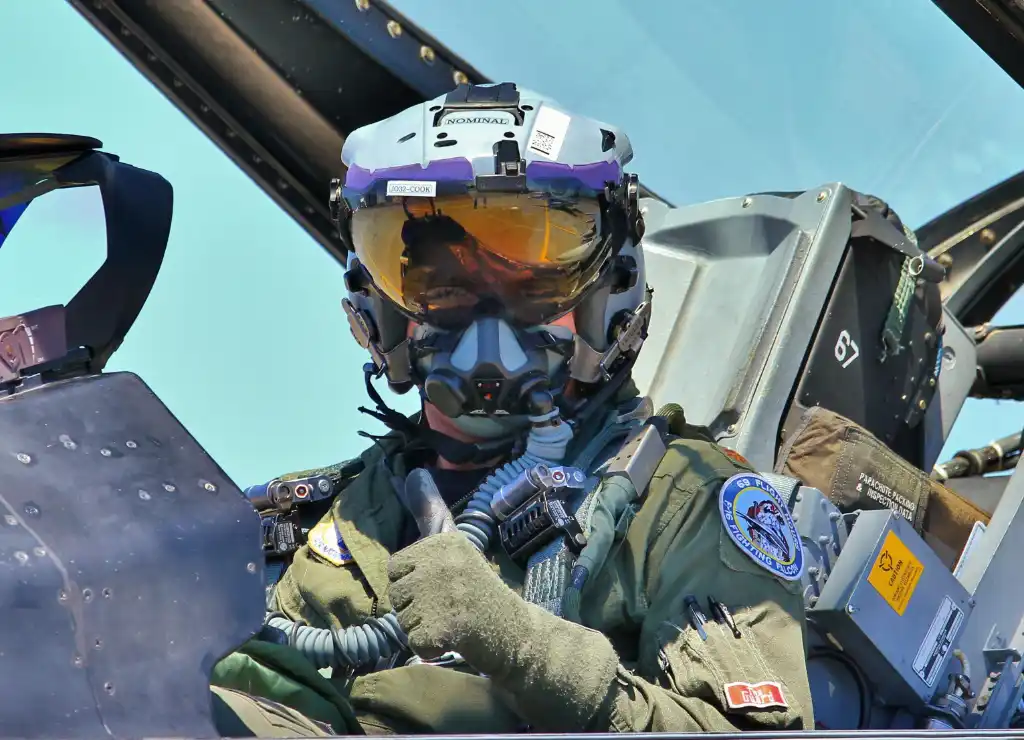
The F-16 Fighting Falcon is one of the most versatile fighter jets in modern aerial warfare, known for its agility and combat effectiveness. A key component of this aircraft’s advanced avionics system is the Joint Helmet-Mounted Cueing System (JHMCS), which significantly enhances the pilot’s situational awareness and targeting capabilities. This cutting-edge helmet system allows pilots to engage targets with unprecedented speed and accuracy, making it an essential tool in modern combat scenarios.
Overview of the JHMCS
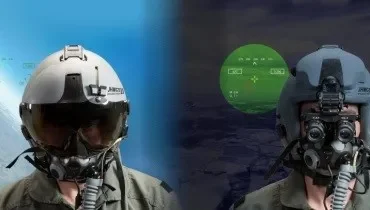
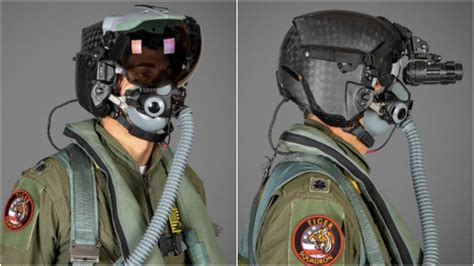
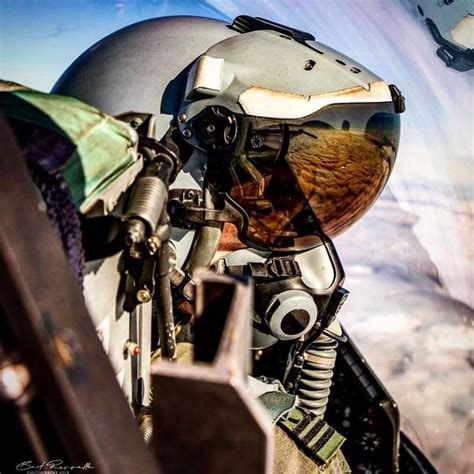
The JHMCS is a sophisticated helmet system that integrates essential flight and targeting data directly into the pilot’s visor. This allows for a “look-and-shoot” capability, where weapons can be directed simply by turning the pilot’s head towards a target. The system combines optical and inertial tracking to ensure real-time synchronization between the pilot’s vision, the aircraft’s sensors, and onboard weapons.
Key Features and Functions
- Heads-Up Display (HUD) on Visor – Displays critical flight information, including speed, altitude, and targeting reticles, eliminating the need to glance down at cockpit instruments.
- Weapon Cueing System – Enables rapid weapon deployment by directing missiles and radar to the pilot’s line of sight.
- Integrated Sensor Data – Merges inputs from the radar, electro-optical targeting systems, and onboard computers for a comprehensive battlefield picture.
- Off-Boresight Targeting – Pilots can lock onto and engage targets even if they are outside the aircraft’s direct flight path.
JHMCS II: The Next Generation of Helmet-Mounted Displays
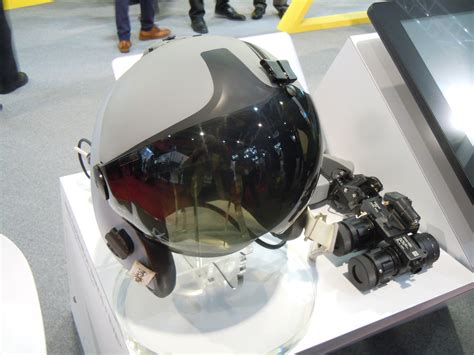
The JHMCS II is an upgraded version of the original helmet system, featuring improved display clarity, reduced weight, and expanded targeting capabilities. Among its notable enhancements:
- Enhanced Sunlight Readability – The incorporation of an advanced sunshade projection symbology system improves visibility in extreme lighting conditions.
- High-Angle Target Lock-On – The new upward-looking reticle function allows pilots to lock onto high-elevation targets without adjusting the aircraft’s attitude.
- Improved Weapon Integration – The system is optimized for use with advanced weapons like the AIM-120C AMRAAM and GBU-31 JDAM.
- Standard Equipment in Modern F-16 Upgrades – Nations like South Korea have included the JHMCS II in the KF-16V upgrade program, strengthening their multi-role combat capabilities.
Combat Applications of the F-16 Helmet System
The JHMCS is not just a technological marvel—it plays a critical role in real-world combat situations. The system has been extensively used in both air-to-air and air-to-ground missions, providing pilots with an unmatched edge in high-intensity scenarios.
Air-to-Air Combat
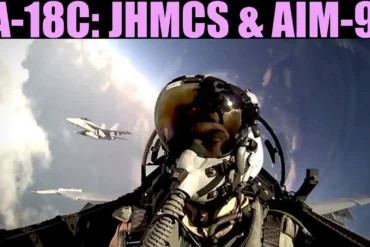
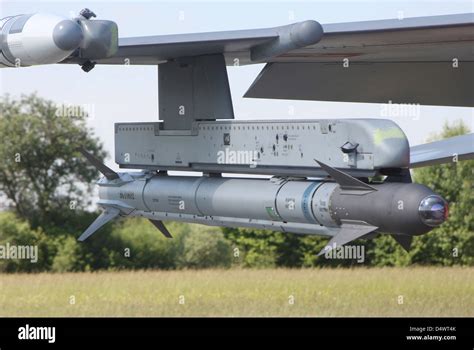
One of the most significant advantages of the JHMCS is its integration with the AIM-9X Sidewinder missile. This combination allows for high off-boresight missile engagements, meaning a pilot can fire a missile at a target even when it is not directly in front of the aircraft.
- Ukraine’s F-16 Fleet – In modern conflicts, Ukrainian pilots have utilized the JHMCS alongside AIM-9X missiles to counter aerial threats such as drones and cruise missiles.
- Middle Eastern Engagements – U.S. Air Force F-16C pilots in the Middle East have leveraged the JHMCS to quickly acquire and eliminate airborne threats in contested airspace.
Air-to-Ground Missions
For ground-attack roles, the JHMCS enhances the effectiveness of precision-guided munitions by allowing pilots to rapidly designate targets.
- Integration with LITENING Pod – U.S. F-16s use the JHMCS in conjunction with the LITENING targeting pod, improving close air support and precision strike capabilities.
- Expedited Targeting in High-Tempo Missions – In fast-moving battles, pilots can quickly acquire ground targets without manually adjusting targeting sensors.
Ergonomic and Design Improvements
To ensure optimal performance, the JHMCS has undergone significant human factors engineering improvements.
- Weight Distribution Optimization – The helmet’s design balances weight more effectively, reducing pilot fatigue during long missions.
- Seat Angle Adjustments – The F-16 cockpit seat angle has been increased from 13° to 30°, improving neck and spinal support.
- Custom Fit for Each Pilot – The helmet is tailored to each individual pilot’s head shape to enhance comfort and stability during high-G maneuvers.
Future of Helmet-Mounted Displays in Air Combat
As fighter aircraft continue to evolve, so too will their helmet-mounted display systems. Future enhancements may include:
- Augmented Reality Integration – Advanced overlays providing additional tactical information in real time.
- AI-Enhanced Targeting Assistance – Machine learning algorithms assisting pilots in target identification and prioritization.
- Full-Color Display Technology – Improving readability and enhancing pilot decision-making speed.
- Interoperability with 5th-Generation Aircraft – Ensuring seamless integration with platforms like the F-35 Lightning II and upcoming 6th-generation fighters.
FAQ: Common Questions About the F-16 Helmet System
1. How does the JHMCS improve F-16 combat capabilities?
The JHMCS significantly enhances combat effectiveness by allowing pilots to lock onto and engage targets simply by looking at them. This reduces engagement time and improves weapon accuracy, especially in off-boresight engagements with missiles like the AIM-9X.
2. What makes JHMCS II different from the original system?
The JHMCS II features enhanced display brightness, improved high-angle targeting, and better integration with modern weapons. It also includes better ergonomics to reduce pilot fatigue during long missions.
3. Which countries are currently using the JHMCS in their F-16 fleets?
The United States, South Korea, Ukraine, Israel, and several NATO members utilize the JHMCS in their F-16 fleets. The system is also being retrofitted into upgraded versions of the aircraft, such as the KF-16V and F-16V Block 70/72.
The JHMCS remains a cornerstone of F-16 combat operations, ensuring pilots have the technological edge needed for modern air combat missions. With continued advancements, this helmet-mounted display system will play an even greater role in future conflicts, solidifying the F-16’s position as a formidable multi-role fighter.