In the intricate world of aviation, visibility and safety are paramount. Among the many innovations that have safeguarded aircraft operations, the anti-collision light system stands out as a vital component. Designed to enhance an aircraft’s visibility to others, these specialized lights help prevent mid-air and ground-based accidents. Originally relying on incandescent bulbs, the industry has since transitioned through xenon flash lamps to the modern, energy-efficient LED lamps.
The Evolution of Aircraft Anti-Collision Lighting
The history of anti-collision lighting reflects aviation’s broader technological progression. Early systems were rudimentary, employing incandescent bulbs whose illumination capabilities, while groundbreaking at the time, were limited in range and reliability. The introduction of xenon flash lamps marked a significant leap forward, offering brighter and more consistent flashes that enhanced aircraft visibility even under challenging conditions. However, it is with the advent of LED technology that the aviation industry witnessed a revolution—offering superior brightness, reduced maintenance, and increased lifespan, LEDs are now the standard for new aircraft models and retrofit upgrades.
Beacon Lights: Red Warnings from Above and Below
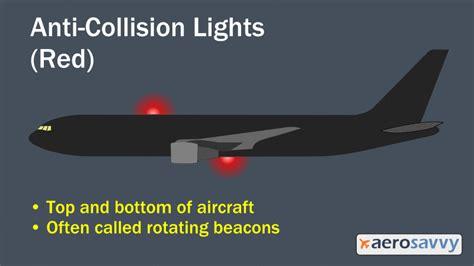
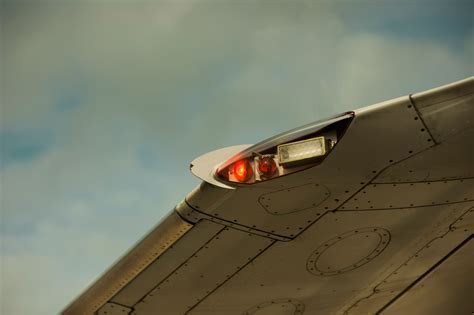
Beacon lights are a cornerstone of the anti-collision light system. Installed prominently on the top and bottom fuselage of most aircraft—particularly larger commercial jets—these flashing red lights serve as unmistakable signals. Their primary function is to alert ground crew and nearby aircraft that engines are starting, running, or shutting down, and that the aircraft may soon begin taxiing.
The design philosophy behind beacon lights emphasizes maximum visibility. In earlier designs, mechanical spinning mechanisms created the flashing effect, a method still admired for its simplicity and effectiveness. Modern beacons, however, use electronic pulsing through LEDs to achieve the same result with greater reliability and lower power consumption. These lights are powerful enough to be visible from considerable distances, providing crucial information during night operations or in overcast conditions when the aircraft’s structure may be obscured from view.
Strobe Lights: Defining Aircraft Movement and Presence
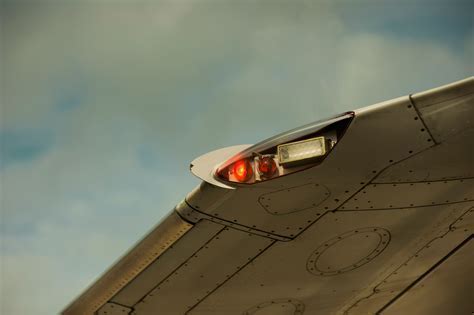
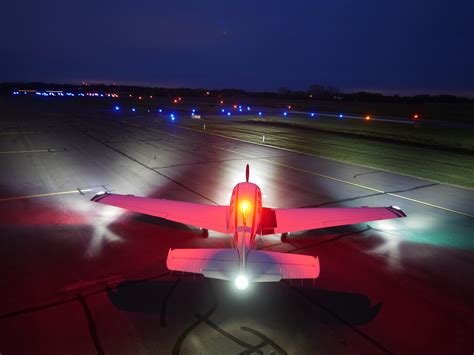
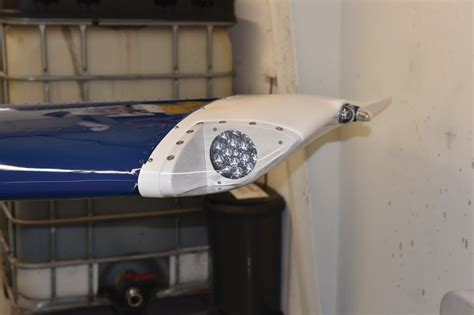
Strobe lights constitute the brightest components of an aircraft’s external lighting suite. Installed at the wings’ tips and often at the tail section of the aircraft, strobe lights emit intense flashing white lights. Their purpose is primarily twofold: firstly, to indicate that an aircraft is entering or crossing an active runway, and secondly, to maintain high visibility to other pilots, particularly in clear skies and during nighttime flights.
In many operational settings, pilots may choose to deactivate strobe lights during taxiing through dense cloud or fog. This is to prevent light reflection from water droplets or ice crystals, which can impair cockpit visibility and create dangerous optical illusions. Nevertheless, under clear conditions, strobes remain an essential alerting mechanism, allowing pilots and ground controllers alike to monitor aircraft movement accurately.
Technological Advancements and Future Trends in Anti-Collision Lighting
The constant drive for enhanced safety and efficiency continues to push the boundaries of anti-collision light technology. Modern systems increasingly integrate smart sensors that automatically adjust light intensity based on ambient conditions, helping to balance visibility with energy efficiency. Furthermore, multi-spectrum lighting—which uses light frequencies optimized for both human and machine vision—is under active development, offering better detection rates not just for human observers but also for future autonomous aircraft systems.
The transition to LED-based systems has also enabled improvements in aerodynamics and maintenance. Slimmer and lighter LED assemblies reduce drag slightly, contributing to fuel savings. Moreover, the solid-state nature of LEDs makes them far more resistant to vibrations and mechanical stresses, significantly extending operational life cycles and reducing the likelihood of in-flight failures.
Regulatory Standards Governing Anti-Collision Lights
The Federal Aviation Administration (FAA) and international bodies like the International Civil Aviation Organization (ICAO) strictly regulate the design, intensity, and placement of anti-collision lights. According to FAA Advisory Circular 20-30B, all aircraft must be equipped with operational position and anti-collision lighting during nighttime operations and under certain visual meteorological conditions.
Key regulatory requirements include:
- Light Intensity: Must be sufficient to be seen from prescribed distances without blinding other pilots.
- Flash Rate: Typically between 40 and 100 flashes per minute for beacon lights.
- Color Coding: Red for beacons, white for strobes.
- Redundancy: Critical systems must have backup capabilities to prevent total loss of functionality.
These standards ensure a harmonized approach to aviation safety worldwide, facilitating seamless international operations.
Practical Considerations for Pilots and Operators
While the installation of anti-collision lights is mandated, their effective use still demands good operational judgment. Pilots must know when to activate or deactivate specific lights to maximize safety without causing visual disturbances. For instance, while taxiing at night, strobes should generally remain off until the aircraft is about to enter a runway to avoid blinding ground personnel or other pilots.
Maintenance personnel must also perform regular inspections of these critical systems. Given the essential nature of anti-collision lights, any failure can result in operational delays, regulatory non-compliance, or worse, increased accident risk. Inspection protocols typically involve checking for:
- Proper flash rate and intensity
- Physical integrity of lenses and fixtures
- Electrical connection soundness
- Controller unit functionality
Such vigilance ensures that aircraft remain airworthy and that all light systems function as designed.

Conclusion: A Beacon for Safer Skies
Anti-collision lights embody the aviation industry’s commitment to proactive safety measures. From the early days of incandescent bulbs to today’s smart, high-efficiency LED systems, these lights have been instrumental in reducing accidents and enhancing operational awareness across every phase of flight. As air traffic continues to increase and skies become more crowded, the importance of these systems will only grow. By integrating the latest technologies and adhering to rigorous operational standards, we collectively illuminate a safer path for aviation’s future.