The pilot light in a gas appliance, such as a water heater, serves as a crucial ignition source, maintaining a steady flame that lights the main burner when needed. When this light extinguishes unexpectedly, it can raise immediate concerns, especially regarding household safety. Many homeowners, uncertain of the risks, wonder if remaining inside their homes could pose a lethal danger.
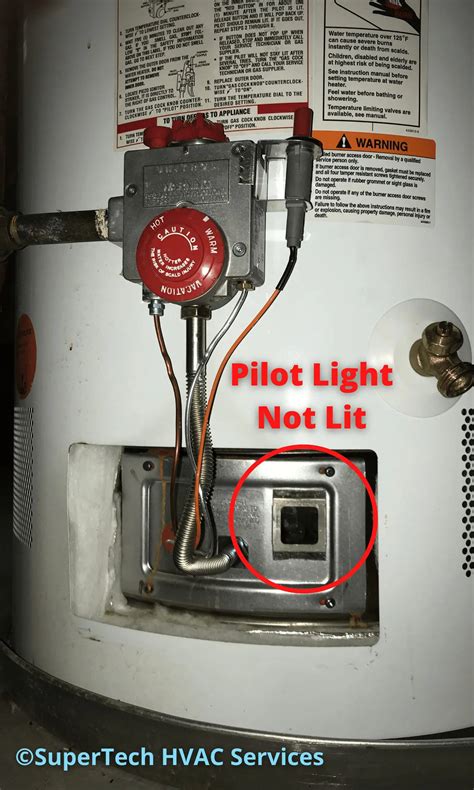
Modern water heaters manufactured after the 1960s are typically designed with safety mechanisms to prevent gas leaks when the pilot light goes out. Thermocouples are the primary component responsible for this security. A thermocouple senses the heat from the pilot flame and generates a small voltage that keeps the gas valve open. When the flame extinguishes, the thermocouple cools down, causing the gas valve to close automatically, stopping the gas flow. This engineered safety dramatically minimizes the chances of a gas leak.
How Dangerous Is It if the Pilot Light Goes Out?
In most modern systems, there is minimal immediate danger if the pilot light goes out. Without the heat needed to activate the thermocouple, the gas valve shuts, cutting off the gas supply completely. In these circumstances, if there is no smell of gas in the vicinity, it is generally safe to remain in the home until repairs are made.
However, older appliances built before modern safety regulations—particularly those from the 1950s or earlier—may not have automatic shut-off mechanisms. In such cases, unburned gas could continue to leak into the home, posing a serious risk of asphyxiation or explosion.
Common Reasons Why a Pilot Light Might Go Out
The extinguishing of a pilot light can result from several factors:
- Faulty Thermocouple: One of the most frequent causes is a failing thermocouple. Over time, this part can degrade, lose calibration, or suffer damage.
- Drafts or Airflow Changes: Strong air currents can blow out the flame, especially if the water heater is located near doors, windows, or ventilation systems.
- Dirty Pilot Orifice: Dust and debris can clog the small opening through which the gas flows, weakening the flame until it eventually extinguishes.
- Gas Supply Issues: Inconsistent or low gas pressure can cause the pilot to flicker and go out.
Immediate Steps to Take if the Pilot Light Goes Out
The first step after noticing the pilot light has gone out is to check for the smell of gas. Natural gas is treated with a chemical called mercaptan, which emits a sulfur or rotten egg smell. If this odor is present, evacuate the home immediately and call emergency services. Do not use electrical devices, phones, or anything that could create a spark.
If there is no gas smell, follow these precautions:
- Turn the Water Heater Temperature Knob to Off: This ensures the system is not attempting to reignite itself.
- Locate and Turn Off the Gas Shutoff Valve: This valve is usually on the gas line near the heater. Turn the valve so it is perpendicular (90 degrees) to the gas line.
- Ventilate the Area: Open windows and doors to disperse any minor gas accumulation that might have occurred.
Many water heaters have specific lighting instructions printed on the side or back of the unit. These typically involve setting the control to “Pilot,” pressing an igniter button, and holding the control down until the thermocouple heats up enough to maintain the gas flow.
When to Seek Professional Help
While relighting a pilot light is often a straightforward task for someone familiar with gas appliances, those inexperienced should seek professional assistance. Some signs that professional intervention is necessary include:
- Repeated Extinguishing: If the pilot light repeatedly goes out even after relighting, it may indicate a deeper mechanical issue.
- Difficulty Finding Shutoff Valve: As noted in many user experiences, it is common for people unfamiliar with plumbing layouts to struggle locating the gas shutoff.
- Uncertain Appliance Type: There is sometimes confusion over whether the water heater is electric or gas, making it risky to proceed without certainty.
Why Modern Water Heaters Are Safer Than Ever
Technological advancements over recent decades have significantly improved the safety of gas appliances. Modern units incorporate features such as:
- Flame Failure Devices (FFD): Instantly shut off gas if the flame extinguishes.
- Sealed Combustion Chambers: Reduce the risk of flammable vapor ignition and prevent drafts from reaching the pilot light.
- Electronic Ignition Systems: Many newer heaters eliminate the need for a constantly burning pilot, reducing gas usage and potential risks.
As regulatory bodies such as the Consumer Product Safety Commission (CPSC) continue to enforce safety standards, newly manufactured water heaters are even more robust against failure modes that could endanger homeowners.
Understanding the Importance of a Thermocouple
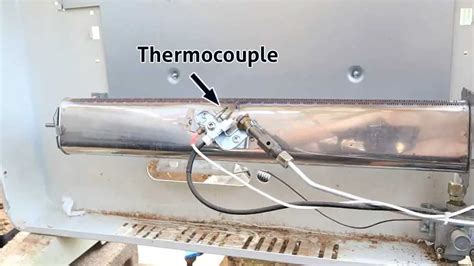
The thermocouple is often the unsung hero of gas appliance safety. As a sensor, it generates a minute electrical current when exposed to the pilot light’s heat. This current keeps an electromagnet within the gas valve energized, allowing gas to flow. Once the flame goes out, the thermocouple cools, the current stops, the electromagnet disengages, and the gas valve closes.
When the thermocouple itself fails, either due to metal fatigue, corrosion, or simple age, the pilot light will not stay lit. Replacing a faulty thermocouple is typically inexpensive and can restore normal operation to the water heater.
Potential Dangers if Issues Are Ignored
Although a single pilot light outage in a modern appliance is typically not dangerous, ignoring related problems can escalate risks over time. Continuous exposure to minor gas leaks, even at undetectable levels, could lead to:
- Carbon Monoxide Buildup: Faulty combustion can release this deadly gas.
- Fire Hazards: Accumulated gas in an enclosed space can ignite explosively.
- Water Damage: Without hot water, pipe freezing becomes a risk in colder climates.
Thus, addressing the root cause promptly is essential not only for convenience but also for long-term household safety.
Conclusion: Mitigating the Risk and Acting Responsibly
In conclusion, for water heaters built in the past few decades, a pilot light going out is not inherently dangerous provided there is no gas smell and proper safety mechanisms are intact. However, understanding the basic layout of your appliance, knowing how to shut off the gas supply, and recognizing the symptoms of component failures are critical steps toward maintaining a safe home environment.
When in doubt, or when faced with repeated pilot outages, consulting a licensed professional ensures that not only is the immediate issue addressed, but the entire system is evaluated for hidden vulnerabilities. Timely maintenance, thorough inspection, and responsible management of gas appliances remain the best defenses against the rare but serious risks posed by extinguished pilot lights.