In global logistics and transport, the classification of dangerous goods is a critical component of ensuring safety, compliance, and operational integrity. These materials—ranging from flammable liquids to radioactive substances—pose unique risks during handling and transit. The international system for classifying hazardous substances is divided into nine main classes, each with distinctive hazard labels and subdivision criteria that reflect their chemical and physical properties.
Understanding these classifications is not optional—it is mandatory for compliance with international regulations such as the IATA Dangerous Goods Regulations, IMDG Code, and UN Recommendations on the Transport of Dangerous Goods. Every stakeholder, from manufacturers and freight forwarders to carriers and handlers, must be fully conversant with these classes to ensure safety and legal conformity.
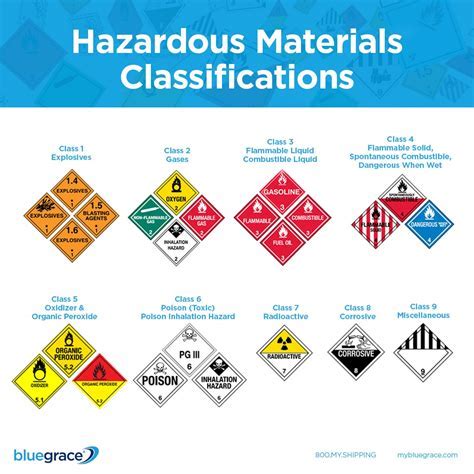
Class 1: Explosives
Class 1 encompasses substances and articles capable of producing explosive or pyrotechnic effects. These include detonators, ammunition, fireworks, and blasting agents. Due to the immense energy release involved, they are further subdivided based on their sensitivity, mass explosion potential, and projection hazard.
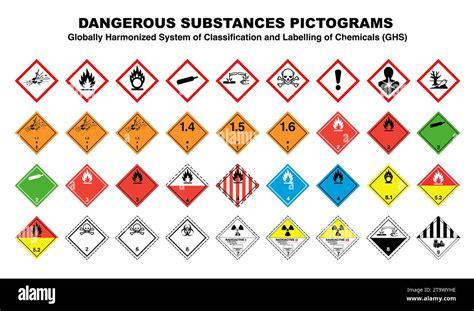
- Division 1.1 to 1.6 range from high mass explosion hazards (1.1) to extremely insensitive articles (1.6), each denoted by a specific orange diamond-shaped label with an exploding bomb symbol and class number.
Transportation of Class 1 substances requires extensive regulatory documentation, route planning, and specially trained personnel.
Class 2: Gases
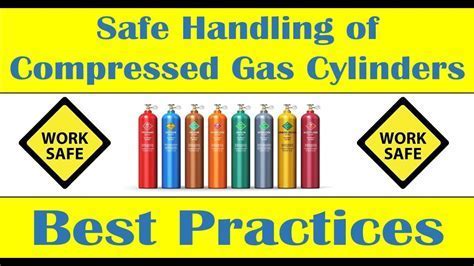
Class 2 dangerous goods consist of gases transported under pressure. These include compressed, liquefied, cryogenic, and dissolved gases, often contained in steel cylinders or pressure-rated containers. Subdivided into three divisions, they represent varying hazards:
-
Division 2.1 – Flammable gases: butane, propane, acetylene
-
Division 2.2 – Non-flammable, non-toxic gases: nitrogen, helium, oxygen
-
Division 2.3 – Toxic gases: chlorine, hydrogen sulfide
The hazard labels use colors and icons to indicate risks—flames for flammables, cylinders for inert gases, and skull-and-crossbones for toxic gases.
Class 3: Flammable Liquids
Flammable liquids, grouped under Class 3, include any liquid with a flash point less than 60°C. Their volatility poses a high ignition risk, especially in warm environments or enclosed transport systems. Common examples include:
-
Petrol and diesel fuel
-
Alcohols and solvents
-
Paints, varnishes, and essential oils
These substances are represented by a red diamond-shaped label with a white flame icon and the number 3 at the bottom. Proper ventilation, grounding, and spill containment are essential safety considerations during storage and transport.
Class 4: Flammable Solids
Class 4 includes solids that can ignite under friction, spontaneous chemical change, or contact with water. It is divided into:
-
Division 4.1 – Flammable solids (e.g., hexamine, nitrocellulose)
-
Division 4.2 – Spontaneously combustible materials (e.g., phosphorus, camphor)
-
Division 4.3 – Water-reactive substances (e.g., sodium, lithium alloys)
Each sub-class features a unique label—striped red and white, blue for water-reactive materials, and flames to denote combustibility. These substances must be kept dry and isolated from reactive agents during shipping.
Class 5: Oxidising Substances and Organic Peroxides
Oxidisers and organic peroxides fall under Class 5, characterized by their ability to amplify combustion or self-decompose. Though they may not burn themselves, they can trigger violent reactions when in contact with other materials.
-
Division 5.1 – Oxidisers: potassium chlorate, ammonium nitrate
-
Division 5.2 – Organic peroxides: benzoyl peroxide, methyl ethyl ketone peroxide
Hazard labels for this class use yellow backgrounds and flaming circles to represent oxidising properties. Temperature control and segregation are key in transporting these materials.
Class 6: Toxic and Infectious Substances
Class 6 includes agents capable of causing illness, injury, or death through inhalation, ingestion, or skin contact. This class is further split into:
-
Division 6.1 – Toxic substances: cyanide, arsenic compounds, pesticides
-
Division 6.2 – Infectious substances: viruses, bacteria, diagnostic specimens
The labels for Class 6 materials carry skull-and-crossbones icons or biohazard symbols on a white background, signaling severe health risks. Such substances require airtight containment, and in the case of infectious materials, adherence to biosafety protocols.
Class 7: Radioactive Material
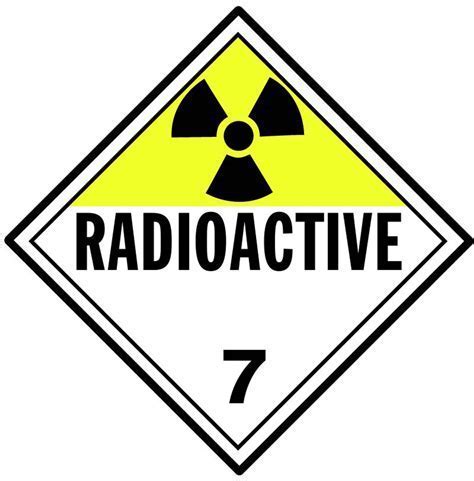
Materials emitting ionising radiation fall into Class 7, including isotopes used in medical imaging, power generation, and industrial radiography. Examples include uranium, radium, cesium-137, and x-ray components.
The radioactive symbol is unmistakable: a yellow and white label with three propeller-like blades and a category number denoting the level of radiation. Packaging is governed by strict dose-rate limits, shielding requirements, and UN packaging types.
Class 8: Corrosive Substances
Class 8 substances can cause irreversible damage to human tissue or materials, including metals and freight containers. These include:
-
Acids: sulfuric acid, hydrochloric acid
-
Alkalis: sodium hydroxide, ammonia solutions
-
Other corrosives: formaldehyde, battery fluid
Class 8 hazard labels are black and white, showing a test tube pouring liquid on a hand and a metal bar—visuals that leave no ambiguity about their destructive potential. Leak-proof packaging and absorbent materials are mandatory in their transport protocols.
Class 9: Miscellaneous Dangerous Goods
Class 9 is a catch-all category for dangerous goods that do not fit within the other eight classes but still pose risks during transit. Items include:
-
Lithium batteries and battery-powered equipment
-
Dry ice (carbon dioxide solid)
-
Magnetised materials
-
Environmentally hazardous substances
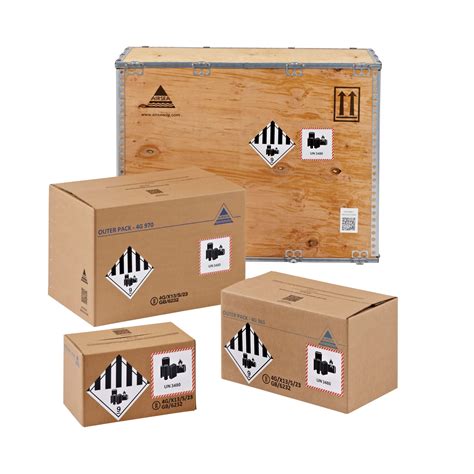
The labels show black and white stripes with or without pictograms of burning batteries. This class also includes UN 3480 and UN 3481 lithium battery shipments, which are heavily regulated due to their fire risk.
Handling Labels and Regulatory Compliance
Beyond the class hazard labels, handling labels offer vital instructions for logistics personnel. These include:
-
Cargo aircraft only: indicates packages unsuitable for passenger aircraft
-
Cryogenics: alerts handlers to ultra-low temperatures
-
This way up: ensures packages remain upright
-
Magnetised material: warns against proximity to aircraft navigational systems
Each label complements the primary hazard class and is essential for safe air cargo operations, especially under ICAO and IATA guidelines. Labels must be durable, prominently visible, and remain legible throughout the shipment journey.
Accurate Classification: The Role of SDS and Experts
Classification accuracy is not a matter of convenience; it is a legal requirement. A Safety Data Sheet (SDS) serves as the foundational document, outlining a substance’s physical and chemical properties, hazards, and safe handling instructions.
When companies manufacture new or composite products, it often necessitates the consultation of a chemist or regulatory specialist to determine the correct classification. Misclassification can result in regulatory fines, shipment delays, or catastrophic safety breaches.
Conclusion
Comprehensive understanding of the 9 classes of dangerous goods is indispensable for global trade, air cargo, and industrial supply chains. From the unmistakable threat of explosives to the subtle risk of magnetised equipment, each class represents a specific risk category with its own labeling, packaging, and documentation protocols.
Maintaining compliance is not only a regulatory necessity but a commitment to safety, efficiency, and the protection of human life and the environment. As the complexity of global logistics continues to rise, so too does the importance of rigorous training, accurate classification, and meticulous labeling.
FAQs
What are the most common dangerous goods found in households?
Many consumer products such as aerosol sprays, bleach, nail polish remover, paints, and perfume fall under dangerous goods classifications. These are usually labeled accordingly and should be stored and disposed of with care.
Can dangerous goods be shipped internationally by air?
Yes, but only under strict compliance with IATA and ICAO regulations. Shipments must be classified, packaged, labeled, and documented accurately, and carriers must be certified to transport them.
What happens if a dangerous good is mislabeled or misclassified?
Misclassification can lead to shipment rejection, fines, confiscation, or even criminal charges in severe cases. More critically, it can endanger lives and property if the actual risk is higher than declared.