Air cargo plays a vital role in the global supply chain, enabling the rapid movement of high-value goods across continents. Though it accounts for less than 1% of global trade by volume, it represents over 35% by value, translating to nearly $6.8 trillion annually. In an increasingly time-sensitive economy, mastering air cargo management basics is essential for logistics professionals, airlines, and shippers alike. This article provides a thorough overview of the processes, systems, and standards involved in managing air cargo from origin to destination.
The Strategic Importance of Air Cargo
Speed, reliability, and security are the cornerstones of air freight logistics. Whether shipping pharmaceuticals, electronics, perishables, or e-commerce parcels, air cargo provides unmatched transit time. In 2020, the COVID-19 pandemic disrupted this flow, causing a 21.4% drop in available cargo tonne-kilometers, but by the year’s end, demand nearly returned to pre-pandemic levels, underscoring the sector’s resilience.
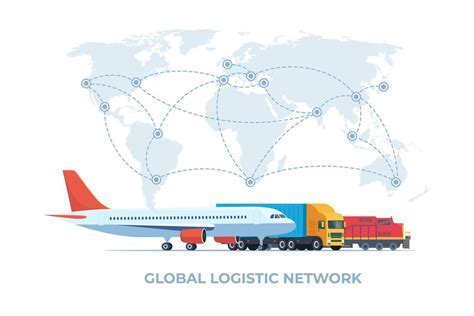
Air cargo operates through a highly orchestrated series of handling and documentation tasks, involving multiple stakeholders such as freight forwarders, ground handlers, carriers, and customs agents. A seamless experience requires each party to adhere to internationally harmonized protocols, the most prominent of which is the Master Operating Plan (MOP).
Understanding the Master Operating Plan (MOP)
The MOP serves as the foundational framework for air cargo logistics. Developed and endorsed by industry authorities, it defines 19 key processes and 78 sub-processes grouped under five activity categories:
-
Origin Forwarder
-
Origin Carrier
-
Transport Carrier
-
Destination Carrier
-
Destination Forwarder
By systematizing the journey from shipper to consignee, the MOP ensures that cargo is processed, accepted, transported, and delivered efficiently, safely, and in compliance with applicable regulations. Each stage must align with IATA regulations, carrier requirements, and international trade laws.
Pre-Shipment: Booking and Planning
The journey of any air cargo consignment begins long before takeoff. It starts with booking and planning, primarily managed by the freight forwarder. Effective planning at this stage minimizes disruption downstream and ensures the secure and efficient movement of goods.
Activities include:
-
Receiving shipper’s request and verifying security clearance
-
Collecting accurate freight data and documentation
-
Determining the optimal routing (direct vs. consolidated)
-
Reserving cargo capacity based on available airline inventory
-
Arranging pick-up and transportation to the airport
Receiving and Accepting Air Cargo
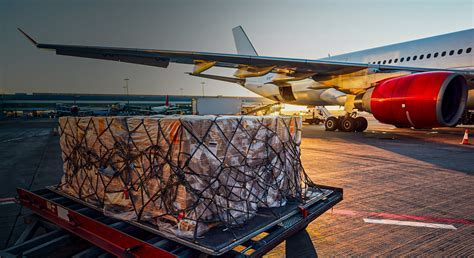
Once the cargo reaches the airport, it enters the carrier domain. Here, ground handling personnel manage the receipt, inspection, and validation of cargo:
-
Electronic documentation (e-AWB, house AWB) must be received in advance
-
Truck and cargo details are logged
-
Unloading slots are assigned based on cargo type, such as dangerous goods, perishables, or temperature-sensitive items
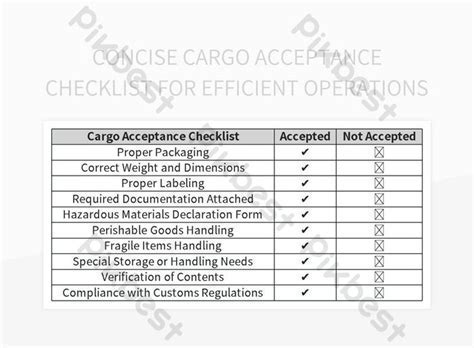
Following this, the cargo undergoes a Ready for Carriage check, which includes:
-
Verification of security screening clearance
-
Validation of shipment against booking and compliance requirements
-
Adherence to all applicable embargoes and transit restrictions
Preparing Cargo for Flight
With cargo accepted, handlers proceed to build-up and staging for aircraft loading. This is a precise, safety-critical process governed by IATA standards and includes:
-
Re-screening and validating transit cargo
-
Verifying the e-AWB, integrity, and piece count
-
Implementing the build-up plan as per flight requirements
-
Managing cargo based on special handling codes (SHC) for items like live animals, valuables, or pharmaceuticals
Cargo is then transferred to a secure holding area and lined up for ramp transportation. Adhering to ramp safety protocols is crucial to avoid equipment damage and ensure timely departures.
Airside Handling and Aircraft Loading
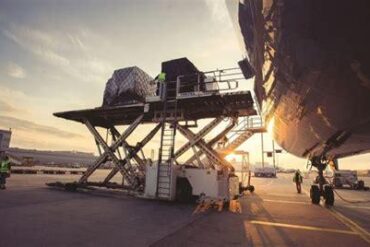
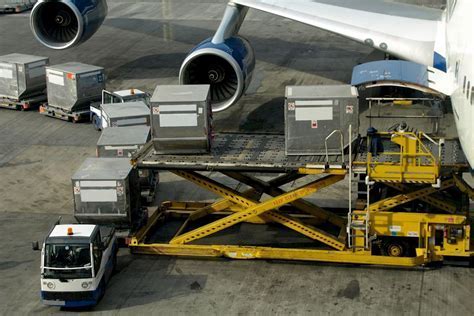
This stage involves moving Unit Load Devices (ULDs) from the cargo terminal to the aircraft, guided by the IATA Cargo Handling Manual (ICHM). Ground handlers must:
-
Follow the load plan, especially for special cargo
-
Update the Flight Manifest in case of discrepancies
-
Transfer control from warehouse staff to ramp handlers
Only once all protocols are met, the cargo is loaded, manifests are mailed, and the aircraft is cleared for departure.
Unloading and Post-Arrival Handling
Upon arrival, the process is reversed with equal precision. Although fewer steps are involved, they are no less regulated:
-
Unload cargo following ramp safety procedures
-
Dispatch shipments to warehouse for check-in
-
Arrive and record shipments in system
-
Handover to destination forwarders or customs brokers
Each step must be recorded and compliant with local import laws and airport handling protocols.
Final Delivery to the Consignee
The final leg involves the forwarder arranging the last-mile delivery. The process continues with:
-
Arriving shipment at forwarder hub
-
Checking and transferring goods to delivery truck
-
Generating run sheets and capturing proof of delivery
-
Final handoff to the consignee
This step concludes the door-to-door shipment cycle, closing the loop between sender and recipient in the global air freight network.
Role of the IATA Cargo Handling Manual (ICHM)
The IATA Cargo Handling Manual (ICHM) complements the MOP by offering step-by-step guidance for stakeholders. Developed by the IATA Cargo Handling Consultative Council (ICHC), it covers every phase from shipper to consignee and helps align operations with:
-
Carrier policies and international regulations
-
Risk mitigation strategies for damage, loss, or delay
-
Uniformity across cargo terminals and handlers worldwide
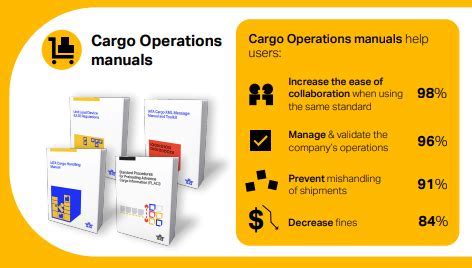
ICHM is indispensable for:
-
Airlines seeking standardized cargo handling
-
Shippers and agents needing full procedural visibility
-
Cargo handlers operating under multiple carrier guidelines
With 19 chapters and 10 appendices, it offers the most comprehensive cargo operations framework available.
Benefits of Standardized Cargo Management
Implementing MOP and ICHM protocols offers multiple advantages:
-
Streamlined operations across airports
-
Reduced costs through harmonization
-
Faster transit times and improved predictability
-
Enhanced security and regulatory compliance
-
Fewer handling errors, minimizing loss or damage
Frequently Asked Questions (FAQ)
What is the main purpose of the Master Operating Plan (MOP)?
The MOP ensures standardized and systematic handling of air cargo by outlining 19 core processes across five logistics categories. It creates consistency in the end-to-end supply chain and enhances global compliance and efficiency.
Why is the IATA Cargo Handling Manual (ICHM) important?
ICHM provides the most current best practices for handling air freight, helping organizations align with airline regulations and reduce operational risk. It serves as a universal guidebook for cargo handlers, freight forwarders, and airline personnel.
What are Unit Load Devices (ULDs) in air cargo?
ULDs are standardized containers or pallets used to load freight onto aircraft. They ensure safe handling, efficient use of aircraft space, and faster loading/unloading processes.